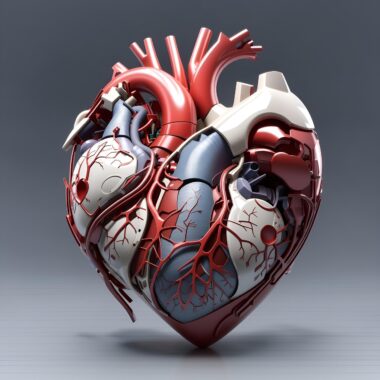
Benefits of Low-Impact Adaptive Cardio for Heart Health
Low-impact adaptive cardio is instrumental in enhancing cardiovascular health, particularly for individuals with disabilities. This type of exercise accommodates various physical limitations while providing essential heart-health benefits. Engaging in low-impact activities like cycling, swimming, or using an adaptive treadmill encourages blood circulation, vital for heart function. Studies indicate that regular exercise can lower blood pressure and cholesterol levels, which are crucial factors in preventing heart disease. These activities can be adjusted based on personal capability, ensuring everyone can participate. Furthermore, low-impact adaptive cardio workouts are designed to reduce the risk of injury, making them safer alternatives for those with limited mobility. Unlike high-impact exercises, they place less strain on joints and muscles, promoting overall body wellness. Individuals can build stamina over time through tailored programs, significantly enhancing functional capacity and quality of life. Incorporating low-impact routines into daily practice fosters not just physical health but also emotional and mental well-being. The social aspect involved in group sessions can foster community connections, reducing feelings of isolation. Overall, adaptive cardio workouts represent a powerful tool for heart health, making them critically important for various populations.
Physical Advantages of Low-Impact Cardio
One of the primary physical advantages of low-impact adaptive cardio lies in its accessibility. This exercise type can be adapted for different levels of physical ability, making it suitable for users ranging from beginners to advanced fitness enthusiasts. For disabled individuals, engaging in low-impact cardio promotes muscle engagement without exerting excessive force. These exercises can bolster core stability, flexibility, and balance, crucial components often overlooked in traditional fitness regimens. Elders and individuals in recovery benefit significantly, as these activities promote gradual muscle strengthening. The ability to customize workouts ensures optimal engagement without overexertion, allowing participants to experience gradual improvements in strength, endurance, and cardiovascular performance. Research has shown that individuals experiencing gradual increases in physical activity enjoy notable enhancements in their general heart health. Consistently participating in low-impact adaptive cardio also decreases the likelihood of developing chronic illnesses such as diabetes and hypertension. There are also cognitive benefits; physical activity has been linked to improved brain function and concentration. Overall, the benefits extend beyond just physical fitness, playing a crucial role in improving life quality for individuals of all abilities and ages.
Incorporating low-impact adaptive cardio into a weekly routine can significantly boost emotional well-being. Physical exercise releases endorphins, which are natural mood lifters, contributing to improved mental health. For many individuals with disabilities, traditional forms of fitness may present barriers that can lead to frustration. Low-impact cardio provides an inclusive environment, allowing participants to experience success and achievement tailored to their abilities. This fosters a positive self-image and promotes psychological resilience, creating a sense of belonging within the adaptive fitness community. Social interactions during group classes create support networks that are invaluable in combating loneliness and fostering friendships. Furthermore, engaging in these exercises cultivates a sense of empowerment as individuals develop new skills and abilities, enhancing their confidence. The ability to set and achieve personal fitness goals establishes a reinforcement loop of motivation and achievement. Some participants may find that as they improve physically, their mental clarity and emotional regulation also enhance. The holistic benefits of exercising become apparent, impacting all areas of life positively. Therefore, low-impact adaptive cardio not only serves to enhance physical capabilities but also enriches emotional and mental health, significantly impacting overall life satisfaction.
Benefits for Cardiovascular Wellness
The benefits derived from engaging in low-impact adaptive cardio activities directly contribute to substantial cardiovascular wellness. Regular engagement in these exercises promotes healthier vascular function and stimulates blood flow throughout the body. Improved circulation ensures that oxygen and essential nutrients are delivered efficiently to vital organs, promoting overall bodily health. Moreover, these activities significantly reduce the risk associated with cardiovascular diseases, including heart attacks and strokes. Participating in tailored programs assists in managing weight, a crucial aspect of cardiovascular health. Low-impact adaptive cardio can be integrated into a fitness program focused on not just calorie burning but also general stamina and endurance. This progressive enhancement in cardiovascular capacity can lead to decreased fatigue during daily activities, notably elevating one’s quality of life. Moreover, the focus on heart health serves to educate participants about their bodies and the importance of staying active. This education empowers individuals, placing them in control of their health narratives. Overall, consistently participating in low-impact adaptive cardio serves as an invaluable investment in long-term cardiovascular health, ultimately contributing to a healthier, more fulfilling life.
Low-impact adaptive cardio can be beneficial in managing chronic conditions often associated with cardiovascular health. Conditions such as obesity, high cholesterol, and hypertension can significantly impact overall wellness. Individuals involved in regular cardio activities frequently observe improvements in these areas, contributing to enhanced quality of life. Additionally, for individuals with mobility issues, adaptive fitness options provide much-needed alternatives that do not compromise safety or performance. Notably, engaging in cardio can lead to weight loss or maintenance, crucial for individuals struggling with obesity. Keeping weight in check helps alleviate stress on the heart, reducing potential health risks. Furthermore, consistent exercise helps lower bad cholesterol levels while increasing good cholesterol levels, essential for a healthy heart. Adapting these cardio routines into daily life encourages long-term habits, yielding substantial health rewards. Moreover, the expertise of trainers specializing in adaptive fitness can guide individuals through personalized programs that address specific health concerns effectively. This targeted approach can ensure that sessions promote maximum benefit while considering individual limitations. Therefore, the array of health benefits linked to low-impact adaptive cardio reveals its inherent value for managing chronic conditions efficiently.
Boosting Motivation Through Accessible Cardiovascular Options
Maintaining motivation for any fitness journey is crucial, and low-impact adaptive cardio plays a pivotal role in this aspect. For individuals with disabilities, finding enjoyable fitness options can sometimes be challenging. However, adaptive cardio offers various creative and engaging choices, ensuring workouts remain exciting. This diversity helps to sustain interest and dedication to a fitness routine. Providing the chance to try various activities, from dancing to aqua aerobics, adds an element of fun that traditional workouts may not offer. Furthermore, the social aspects linked to group classes create environments that encourage accountability and camaraderie among participants. Engaging with others provides a support system, enhancing motivation and making workouts less isolating. Additionally, low-impact cardio often allows for measurable progress, which can be motivating as individuals witness their ability to achieve! Setting small, realistic goals can enhance the sense of achievement and lead to broader lifestyle changes. This progress can spur individuals to strive for new milestones, fostering a positive feedback loop. Overall, accessible cardiovascular options offer an engaging path for motivating individuals to maintain their fitness journeys.
Finally, it’s essential to acknowledge that nutrition plays a complementary role in maximizing the heart-health benefits derived from low-impact adaptive cardio. Although exercising is crucial, a balanced, nutrient-rich diet is equally as significant. Proper nutrition fuels the body, providing the energy necessary for exercise. Pairing a healthy diet with regular low-impact cardio creates a synergistic effect, amplifying the advantages of both. Individuals engaging in this type of fitness should focus on incorporating whole foods, such as fruits, vegetables, lean proteins, and whole grains, while reducing processed food consumption. The emphasis on hydration is also crucial; staying well-hydrated boosts stamina and overall performance. Knowledge regarding heart-healthy eating can empower individuals to take charge of their health. Understanding what constitutes nutritious meals encourages mindfulness regarding food choices. This awareness can lead to making better decisions related to diet and exercise alike. Participating in low-impact cardio with the framework of a balanced diet sets the stage for achieving broader health goals! Overall, synergizing physical activity with good nutrition secures a comprehensive approach to enhancing heart health and well-being.