
Adaptive Exercise Plans for Hypertension Management
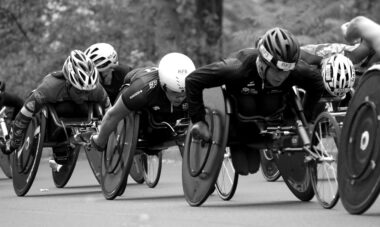
Hypertension is a prevalent condition impacting millions globally, often leading to severe health complications if left unchecked. Adaptive exercise can play a crucial role in managing hypertension, especially for individuals with disabilities. Crafting an exercise plan tailored to individual needs ensures that those with disabilities can participate actively. The objectives of adaptive exercise for cardiovascular health include improving cardiac output, enhancing circulation, and promoting overall fitness levels. Regular exercise aids in controlling blood pressure effectively while contributing to improved mental health, which is vital for anyone with a disability. Research shows that low-impact aerobic activities, such as swimming and cycling, are particularly effective. These exercises not only strengthen the heart but are also gentler on joints, accommodating various physical limitations. Additionally, adaptive fitness programs can include strength training to bolster muscle tone and support metabolic health. It’s essential to collaborate with healthcare professionals to design a personalized plan. This ensures safety and effectiveness, as well as adjusting heart rate and intensity as needed. Overall, implementing adaptive exercise plans can significantly enhance quality of life for individuals managing hypertension along with disabilities.
Incorporating mindfulness strategies during exercise can further support the management of hypertension. Mindfulness allows individuals to focus on breath and movement, reducing stress and promoting mental well-being. Practices such as tai chi or yoga can enhance physical endurance while promoting relaxation. Furthermore, these activities improve flexibility and balance. Proper breathing techniques are integral and should be emphasized during exercise. This creates a soothing atmosphere which positively affects blood pressure levels. Another essential component of adaptive fitness is setting realistic goals. Individuals with disabilities will benefit from achievable, incremental goals while working towards improving cardiovascular health. It’s crucial to regularly reassess these objectives to encourage motivation and adaptation to fitness levels. Collaborative efforts among healthcare providers, fitness trainers, and participants can enhance program effectiveness significantly. Engaging family members or caregivers in the process foster encouragement and support, furthering participation. Progress tracking can be beneficial, as well. Utilizing journals or apps can help individuals recognize improvements and stay committed to their fitness journey. By cultivating a sustainable exercise routine, participants are far more likely to achieve lasting results in managing hypertension and accommodating their unique needs and limitations effectively.
Exercise Types Suitable for Cardiac Health
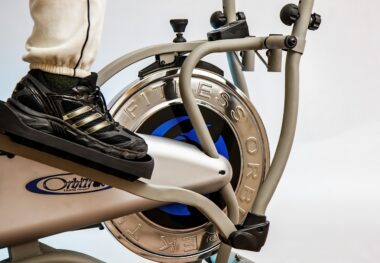
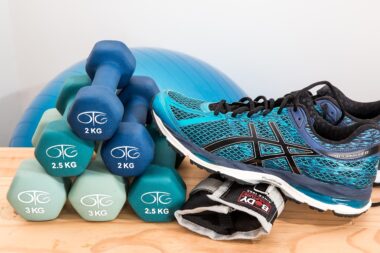
When designing adaptive exercise plans for individuals with disabilities, selecting appropriate activities is vital for success. Low-impact activities are particularly beneficial as they minimize strain while maximizing health benefits. Walking is an excellent choice, allowing for gradual buildup of duration and intensity. As an adaptable option, walking can be done indoors or outdoors, making it versatile for different preferences and abilities. Swimming also serves as a highly effective cardiovascular workout that is gentle on joints and offers the advantage of buoyancy. For those preferring group activities, joining adaptive classes can help foster social engagement. Classes tailored for individuals with diverse physical needs encourage interaction while promoting fitness. Cycling on stationary bikes can be modified to cater to varying levels of mobility, ensuring participants engage fully. Resistance training, utilizing resistance bands or body weight, supports muscle strength and functional fitness. Stretching routines should not be overlooked; these enhance flexibility and contribute to injury prevention. It’s imperative to allow adequate rest days between strength workouts, focusing on recovery. Ultimately, combining various exercise types in adaptive fitness promotes a comprehensive approach to managing cardiovascular health.
In addition to physical activity, nutrition plays a fundamental role in managing hypertension. Adopting a heart-healthy diet benefits overall cardiovascular health and complements exercise goals. A balanced diet rich in fruits, vegetables, whole grains, and healthy fats is essential. Foods high in potassium, like bananas and sweet potatoes, contribute to blood pressure regulation. Additionally, maintaining low sodium consumption is critically important. During grocery shopping, individuals should read labels carefully, choosing lower-sodium options when available. Supporting hydration levels through adequate water intake is also essential. Proper hydration enhances overall performance during exercise and recovery. Consulting with a registered dietitian can provide tailored dietary advice, ensuring nutrition aligns with individual fitness plans. Comprehensive adaptive fitness programs should address both exercise and nutrition, leading to more effective hypertension management. Combining these two elements facilitates better health habits, reinforcing declination of high blood pressure. Community resources such as local nutrition workshops can provide ongoing support and education. Participants can learn practical skills ranging from meal preparation to grocery budgeting. All these components create a solid foundation for maximizing exercise outcomes while promoting a well-rounded healthy lifestyle.
Monitoring Progress and Staying Motivated
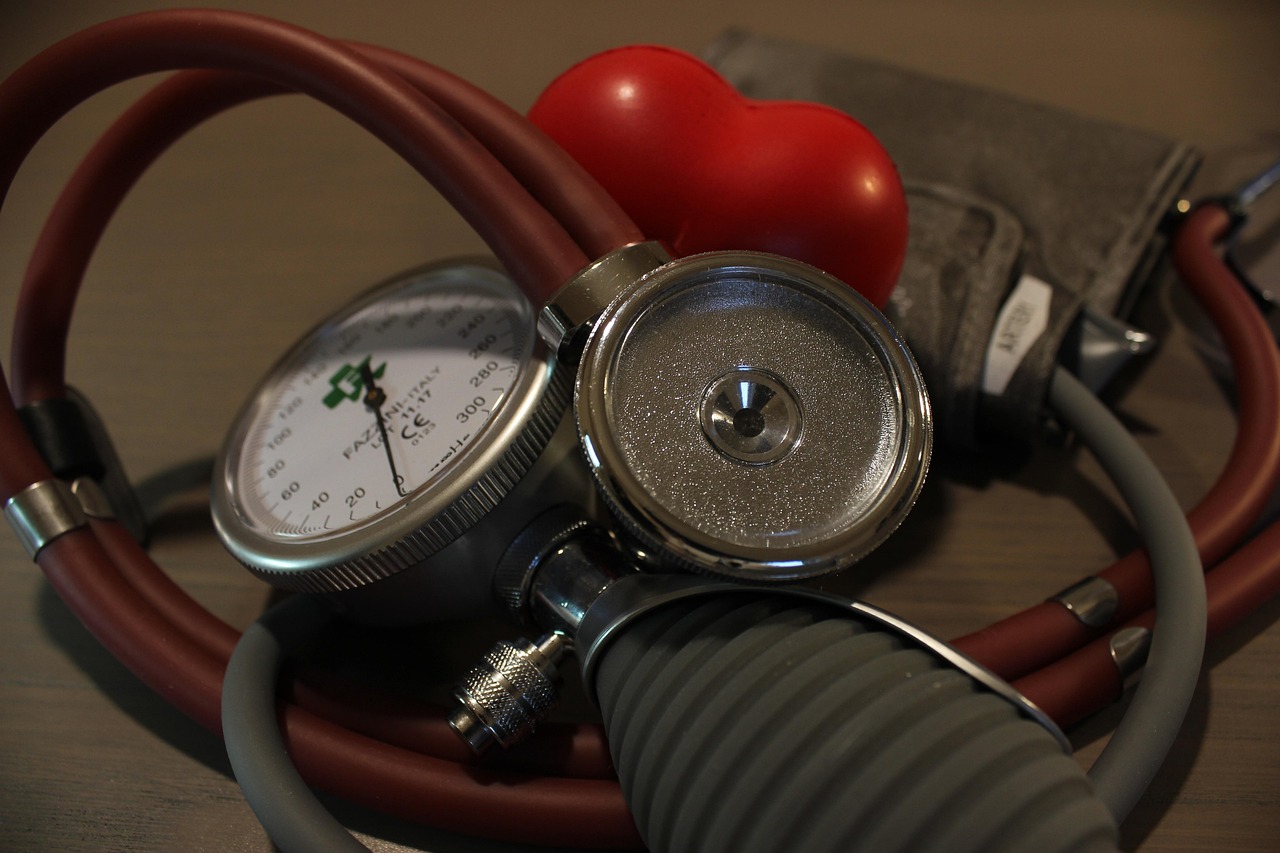
Monitoring progress is a crucial aspect of maintaining an adaptive exercise plan. Measuring improvements in fitness or health can boost motivation and reinforce commitment. Various metrics can be employed, such as blood pressure readings, heart rate, or exercise duration. Setting personal benchmarks offers tangible evidence of progress over time. Establishing a routine can also assist individuals in adhering to their plans. Consistency in exercise and integrating it into one’s daily life leads to greater long-term success. Keeping an exercise diary may serve multiple benefits. Recording emotions, energy levels, and physical sensations can provide valuable insights into one’s exercise experience. This form of self-reflection enables individuals to adapt plans based on personal feedback. Seeking a workout buddy or participating in group sessions adds an element of accountability, fostering commitment. Additionally, scheduled check-ins with healthcare professionals keep individuals on track while addressing any concerns. Celebration of milestones, regardless of size, contributes positively to self-esteem. Finding joy in the process and making fitness enjoyable ultimately encourages continued engagement. Through adaptive fitness, individuals not only manage hypertension effectively but also enhance the quality of life significantly.
Lastly, understanding the psychological aspects related to fitness can transform the approach to exercise. Many individuals with disabilities may face feelings of isolation or frustration due to their physical limitations. Addressing these emotions is essential when creating adaptive fitness plans. Engaging in supportive communities can foster connections, dispelling feelings of loneliness. Online forums or local support groups enable individuals to share experiences and encouragement. Furthermore, mental health support services can be invaluable for those struggling with motivation related to exercise. Encouragement to explore creative outlets, such as painting or writing, may help build self-confidence. Working with mental health professionals can also promote positive coping strategies, allowing for better emotional management. Overall, psychological wellness is interconnected with physical health, reinforcing the idea that holistic approaches produce meaningful results. Furthermore, incorporating elements of fun into exercise encourages engagement. Adding music, peer competitions, or game-like structures can replace the traditional perception of workouts as a chore. This increase in enjoyment can lead to consistent participation and adherence. Emphasizing mental health creates an environment that encourages growth, resilience, and the pursuit of wellness for individuals navigating the challenges of hypertension and disabilities.
Final Thoughts on Adaptive Fitness
Adaptive fitness plays a vital role in managing hypertension effectively while accommodating individuals with disabilities. Individuals can lead healthier lives with tailored exercise programs. The integration of mindful exercise, appropriate nutrition, and social support creates a comprehensive approach. As individuals embark on their fitness journeys, it’s crucial to remember that progress varies from person to person. The emphasis should be on personal bests rather than comparing to others. It’s founded on a principle of inclusivity, allowing everyone to benefit from the activities tailored specifically to their needs. Collaboration with healthcare providers ensures safety, while motivating peers foster community, leading to profound impacts on personal development. The enhancements in cardiovascular health achieved through adaptive exercise can significantly reduce the risk of hypertension-related complications. Overall, individuals are encouraged to explore activities they genuinely enjoy and modify them to suit their abilities. Encouragement must be provided to celebrate small successes, reaffirming the belief that every effort counts. By committing to adaptive fitness, participants can cultivate resilience as they navigate personal challenges. This holistic approach promotes a fulfilling life marked by improved health and meaningful engagement in community life.
In conclusion, adaptive exercise plans can significantly impact individuals managing hypertension and disabilities. These programs are not only about physical activity but also fostering mental well-being. Through an integrated approach encompassing exercise, nutrition, and social interaction, participants are empowered to make positive changes. Emphasizing individualized plans tailored to individual needs is key to success. Collaborating with a team of fitness professionals, healthcare providers, and supportive friends creates an environment conducive to growth. Ultimately, the journey toward managing hypertension and enhancing quality of life begins with the first step. Each individual can take charge of their health and well-being, cultivating a love for fitness along the way. Implementation of adaptive fitness fosters resilience, guiding individuals to thrive despite challenges. The opportunities to engage in cardiovascular health through adaptive exercise open new pathways for empowerment. Initiatives in public health should continue to advocate for inclusivity in fitness, recognizing the capabilities of all individuals. Together with adaptive strategies, it is possible to cultivate healthier communities, one step at a time. The potential for positive change lies within reach, encouraging everyone to embrace their unique fitness journeys.