
Apps That Customize Workouts for Different Disabilities
For individuals with disabilities, personalized fitness apps can significantly enhance their workout experience. These applications are specifically designed to meet the varying needs of users, offering tailored exercises based on different disabilities. By integrating accessible features and adaptive techniques, users can engage in workouts that suit their unique physical abilities. Many of these fitness apps provide options for various types of disabilities, such as visual impairment, mobility issues, and cognitive challenges. Furthermore, such applications include voice instructions and customizable interfaces that make it easier to follow workout routines. Accessibility features also help the user to modify workouts according to their needs. Some apps even include community support and motivation through social networks, creating a sense of belonging. Overall, the integration of adaptive fitness apps into daily routines offers a pathway to improved health and well-being, promoting a more inclusive environment for all. In summary, personalized applications represent an essential tool for facilitating inclusive fitness practices. They not only encourage physical activity but also foster mental wellness, making fitness enjoyable for everyone.
One key aspect of adaptive fitness apps is their versatility. These applications can be selected based on different workout categories, including strength training, cardiovascular activities, and flexibility exercises. For instance, users with visual impairments might benefit from audio-guided workouts that narrate each step, ensuring that they are aware of their movements. Users with mobility challenges could select workouts specifically designed for chair exercises, allowing them to engage comfortably. Beyond being just fitness trackers, these apps can help build routines that cater to the user’s capabilities while pushing boundaries gradually. Many adaptive fitness apps also feature gamification elements, incentivizing users to achieve their goals through rewards and challenges. Another important element includes tracking health metrics, such as heart rate, calories burned, and workout consistency. This data enables users to monitor their progress and stay motivated over time. Furthermore, several apps provide instructional videos demonstrating adaptive exercise techniques. These resources are invaluable in learning proper form and avoiding injury, which is especially crucial for those with disabilities. Overall, the user-friendly design ensures that everyone, regardless of their physical condition, can embark on their fitness journey.
Community and Support Features
Many apps designed for adaptive fitness often integrate social networking features that connect users with similar experiences and challenges. This community aspect is crucial as it promotes motivation and support, allowing users to share successes and struggles alike. Many individuals with disabilities face specific barriers to engaging in physical activities, leading to feelings of isolation. However, using such apps, users can communicate with each other, share tips, and celebrate accomplishments, thereby fostering a sense of belonging. Furthermore, some apps provide access to virtual trainers or fitness coaches who specialize in adaptive workouts, offering tailored feedback and encouragement. This personalized guidance can significantly impact the user’s progress, helping them overcome obstacles. Additionally, social messaging features allow users to create workout groups, encouraging accountability and commitment among friends. Fitness challenges hosted within the app further galvanize users to engage regularly and strive for their fitness goals. Mentorship opportunities may also be available, pairing users new to adaptive fitness with experienced individuals, leading to increased confidence. Altogether, such community features enhance the overall experience and effectiveness of adaptive fitness apps, addressing not only physical needs but emotional ones as well.
Affordability is another critical factor in making fitness accessible for all, and many adaptive fitness apps offer free versions. Although some apps charge subscription fees, they typically provide free trials, allowing users to decide before making a commitment. This pricing strategy is particularly beneficial for individuals uncertain about their fitness journey or those on fixed incomes. Some applications also incorporate local resources, including free classes or workshops in nearby communities. By offering a variety of pricing structures and resources, these apps ensure that more individuals can participate. Moreover, certain organizations dedicated to health and fitness for people with disabilities offer grants or funding for approved applications, further reducing costs. It is important for potential users to research and compare apps to find affordable options that suit their needs. Moreover, the rise of inclusive fitness movements is encouraging developers to prioritize accessibility. Therefore, users should remind themselves that fitness is a personal journey, and selecting an app that aligns with their goals can significantly impact their motivation and outcomes. Ultimately, individuals must recognize that their physical abilities should not limit their quest for better health.
Trends and Developments in Adaptive Fitness Apps
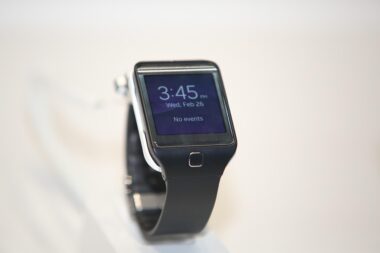
The development of adaptive fitness apps is continuously evolving to meet the growing need for inclusivity in fitness technology. Emerging trends reflect a shift towards more personalized experiences, incorporating cutting-edge technology, such as artificial intelligence and machine learning. These advancements allow for customized workout suggestions based on user habits and preferences, making them more responsive to individual progress. Wearable fitness technology also plays a significant role in enhancing workout experiences. Devices like smartwatches can track movement and provide real-time feedback, which is particularly beneficial for users with disabilities. Additionally, many apps now feature virtual reality exercises that allow users to immerse themselves in unique workout environments, regardless of their mobility levels. By creating engaging experiences, these technologies can make fitness enjoyable and less intimidating. Integration with other health and wellness platforms is also gaining traction, providing users with comprehensive health monitoring solutions. Social interaction through online forums and support networks further promotes well-being. In summary, ongoing advancements in technology and commitment to inclusivity are driving app development, improving access to effective fitness solutions for everyone.
Understanding the importance of inclusive fitness, many organizations are prioritizing partnerships with app developers to create targeted programs for various disabilities. Collaboration with occupational and physical therapists has become increasingly vital in ensuring exercise recommendations are safe and appropriate. This push for collaboration fosters better app development, leading to tools that genuinely empower users to achieve fitness goals. Additionally, organizations are increasingly providing educational resources on adaptive fitness, helping users understand how to leverage technology for health benefits. Webinars, workshops, and community events aim to inform various communities about available resources and how to access adaptive fitness apps effectively. By working together, organizations, developers, and users can bridge gaps that exist in conventional fitness processes and create environments that recognize and cater to individual needs. The overall objective is to create awareness around the importance of movements that not only enhance physical fitness but also encourage mental health. The convergence of research, technology, and real-world experience drives a more profound understanding of fitness inclusivity. Uniting these elements represents a transformative shift within the fitness industry, prompting lasting changes that encourage participation from all.
Conclusion and Future of Adaptive Fitness Apps
As we advance, the future of adaptive fitness apps appears promising, with an emphasis on inclusivity and accessibility. Applications are being developed not only to accommodate different types of disabilities, but also to adapt to users’ changing needs. The ongoing evolution in fitness technology ensures that users of all abilities can find solutions tailored to their preferences. Moreover, the incorporation of comprehensive health monitoring features supports diverse well-being dimensions, tracking both physical activity and mental health status. Developers must respond to user feedback continuously, as this will inform necessary updates and improvements, fostering a more refined experience. Future apps could leverage virtual and augmented reality components to further elevate user engagement. Collaborations between fitness professionals and software engineers will be vital in creating tools that truly meet user capability and interest. Additionally, increased awareness around the mental health benefits of physical fitness can drive social change, motivating more individuals to partake in adaptive fitness activities. Ultimately, the development of inclusive fitness applications stands to transform lives, democratizing fitness access and creating communities where everyone can thrive and take charge of their health.