
The Science Behind Adaptive Fitness Applications
Adaptive fitness is a dynamic approach that tailors exercise regimens to fit the unique needs of individuals with disabilities. The integration of technology has resulted in the rise of adaptive fitness applications designed to enhance physical activity for everyone. These applications facilitate personalized workout plans, tracking of physical progress, and adjustments based on user feedback. This personalization is paramount, as it allows individuals to engage in meaningful workouts which take into account their abilities and constraints. Utilizing advanced algorithms, many of these apps provide exercises that improve flexibility, strength, and overall health while considering specific disabilities. Users can benefit from visual cues, instructional videos, and community support to motivate them. Furthermore, fitness trackers and wearables can sync with these apps, providing a holistic view of activity and health. This data-driven approach not only fosters intrinsic motivation but also highlights improvements over time. Overall, these applications have transformed how adaptive fitness is perceived and practiced by making health and wellness accessible. The future of fitness is inclusive, and app developers play a critical role by creating applications that cater effectively to diverse needs.
As the importance of inclusive fitness has gained momentum, adaptive fitness applications have become essential tools within this movement. They offer various features that help individuals with disabilities access fitness in ways that were previously unavailable. For instance, many apps include customizable avatars, enabling users to visualize their progress in an engaging manner. These avatars often support different mobility aids or body types, allowing users to create a more personalized experience. Additionally, apps frequently provide audio descriptions and adjustable screen layouts to accommodate various sensory needs. This accessibility feature ensures that all individuals can navigate the platform efficiently. Moreover, some applications emphasize community building by incorporating social networking aspects, wherein users share achievements, challenges, and advice. This can foster a sense of belonging and decrease feelings of isolation some may experience during their fitness journeys. Combining technology with community support creates a comprehensive environment for growth and empowerment. Furthermore, many adaptive fitness applications collaborate with certified trainers to offer expert guidance within the app framework. This results in ensuring that users can safely and effectively progress toward their fitness goals while enhancing their overall experience.
Benefits of Adaptive Fitness Apps
Adaptive fitness applications deliver several benefits that empower individuals with disabilities. One of the most critical advantages is the ability to create personalized plans that cater to specific needs. Users can input their fitness levels, preferences, and requirements. The app then generates a tailored workout routine that ensures safety and efficacy. This individualized approach increases adherence to exercise routines, allowing users to make consistent progress. Furthermore, adaptive fitness apps often include progress tracking features. These enable users to monitor their performance over time, providing a sense of achievement that is both motivating and rewarding. As they witness tangible improvements, their confidence can grow. The incorporation of gamification elements, such as rewards and challenges, fosters competition and persistence, both internally and with others. Additionally, the aspect of convenience cannot be overlooked; users can exercise from their homes or chosen environments, fitting physical activity into their schedules easily. This flexibility can lead to greater opportunities for regular exercise. Overall, these applications are bridging gaps in fitness accessibility while focusing on health, motivation, and effective engagement for individuals with disabilities.
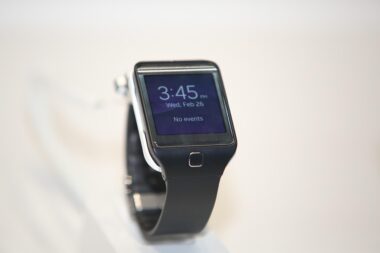
Through ongoing technological advancements, adaptive fitness applications are continuously evolving to meet varied needs within the community of individuals with disabilities. Integration with wearable devices has proved invaluable, as real-time feedback allows users to recognize their progress immediately. For example, heart rate monitors or calorie counters can sync with adaptive fitness apps, providing vital data during workouts. Such information helps users adjust their intensities in real time to maximize benefits while ensuring safety. Many apps also incorporate virtual coaching tools that deliver instant guidance and correction suggestions, allowing for safer exercise modalities. Additionally, remote coaching allows users to connect with personal trainers who specialize in adaptive fitness. This access means that expert advice is always available, further enhancing the quality of workouts. Furthermore, the growing prominence of telehealth provides additional resources. Online fitness classes can be accessed, creating more opportunities for participation. Thus, networking and connectivity within these platforms enhance the overall experience of users by fostering community engagement and resource sharing. Innovations in technology symbolize a promising evolution that is shaping the landscape of adaptive fitness applications for the better.
Challenges in Developing Adaptive Fitness Apps
Despite the uplifting benefits of adaptive fitness applications, various challenges impede their development and effectiveness. One significant concern revolved around accessibility; it is crucial that app designers consider various disabilities to ensure a seamless user experience. Testing and reviewing with end-users can facilitate this process but often requires additional time and resources. Additionally, developers must keep educational aspects in mind while ensuring user engagement remains high. Balancing detailed instructions alongside interactive content can be challenging yet essential for proper comprehension and use. Furthermore, securing adequate funding and support for ongoing app enhancements is critical to long-term success. Market availability can be saturated, so identifying target audiences while showcasing unique features becomes a balancing act for developers. Ensuring that fitness apps are culturally relevant and sensitive to the users’ backgrounds adds another layer of complexity. Data privacy is also paramount when handling sensitive health information, creating ethical and legal obligations for developers. Navigating these various challenges is essential as adaptive fitness applications strive towards providing accessible and valuable solutions for all individuals with disabilities.
Another significant challenge in this domain is keeping users engaged. Many individuals transitioning from a sedentary lifestyle may struggle with motivation when starting their fitness journey. The lack of immediate results can lead to frustration; hence adaptive fitness apps must emphasize simple goals that users can achieve early on. Setting smaller, incremental objectives encourages a more gradual approach, keeping motivation high. Social interaction within the app can also enhance user experience; thus, creating opportunities for users to share their milestones can effectively instill camaraderie. Additionally, incorporating regular updates, new workout routines, and challenges ensures that users stay engaged and excited about their fitness journeys. Educational resources, including webinars or podcasts, can deepen knowledge about fitness while showing users how to leverage app features. Apps should also seek feedback from their user base regularly, incorporating insights to improve functionality. Attention must be paid to various user profiles to address diverse fitness levels and backgrounds effectively. By responding to users’ needs and challenges, these applications can cultivate a loyal community that fosters motivation and empowerment within adaptive fitness.
The Future of Adaptive Fitness Apps
The future of adaptive fitness applications looks bright, promising extensive advancements that will enhance accessibility and engagement for individuals with disabilities. As technology continues to evolve, we will likely witness the emergence of more inclusive platforms that cater to various needs and preferences. Machine learning and artificial intelligence may gradually play pivotal roles in offering dynamic adjustments to fitness programs based on user performance and feedback. In addition, enhanced virtual reality experiences might allow users to engage in immersive workout environments, making exercise more enjoyable and stimulating. Furthermore, incorporating mental wellness features within these applications could address holistic health by promoting mindfulness and stress relief initiatives through guided workouts. Such integrations acknowledge that fitness encompasses both physical and mental well-being. Future apps must prioritize community building, leveraging social media and interaction features to keep users connected and inspired. Regular updates and incorporating emerging trends, scientific research, and user suggestions will maintain app relevance. Ultimately, the horizon appears promising as developers and fitness experts collaborate to create more accessible, engaging, and effective adaptive fitness applications for all.
In conclusion, adaptive fitness applications signify a major revolution in how individuals with disabilities engage in physical activity. It reflects a turning point of inclusivity and health within the fitness industry. By harnessing technology, developers are providing individuals access to personalized fitness experiences that cater uniquely to their needs. Each app on the market strives to encourage motivation, progress tracking, and community engagement essential for a fulfilling fitness journey. As the landscape continues to evolve, the importance of addressing challenges and promoting inclusivity persists. Utilizing diverse features such as virtual coaches, community interactions, and accessibility options will ultimately yield tangible benefits for users. Embracing these advancements empowers individuals to reclaim their health and well-being while establishing a positive relationship with fitness. The commitment to creating adaptive fitness solutions can leave a lasting impact on users’ lives, fostering a community that celebrates varying abilities and backgrounds. As awareness grows, these applications will continue to adapt, ensuring an environment where everyone can thrive. In this way, the next chapter of the fitness journey serves not just as a means of physical improvement, but as a testament to resilience and inclusivity.