
Pre-Workout Nutrition Strategies for Pilates Sessions
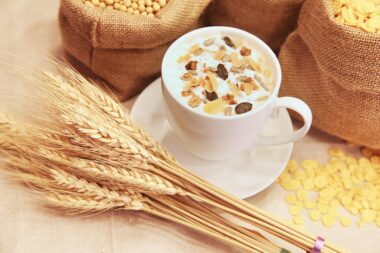
Nutrition plays a vital role in enhancing performance during Pilates sessions. Consuming the right foods before working out can maximize energy levels, improve focus, and quicken recovery times. It is essential to choose nutrient-dense options that will fuel the body without causing discomfort while exercising. Foods rich in carbohydrates, proteins, and healthy fats provide a stable energy source for Pilates practitioners. Hydration is equally important, as fluids help maintain performance levels and overall function during workouts. The goal is to prepare your body adequately without feeling weighed down, allowing for a seamless workout experience. Notably, timing is crucial; eating too close to the session may lead to discomfort, while eating too far in advance may cause energy depletion. Aim to eat around one to three hours before your session, customizing meals or snacks based on personal needs and preferences. Key players in pre-workout nutrition include bananas, oatmeal, Greek yogurt, and nuts, which offer both immediate and sustained energy. Experimenting with different foods will help find the best balance for optimal performance in your Pilates journey.
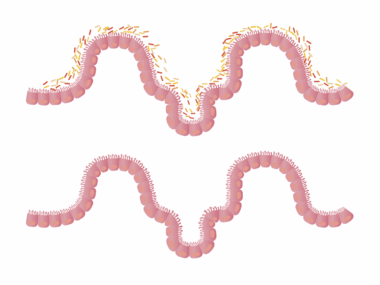
Understanding portion sizes is critical for effective pre-workout nutrition in Pilates. Overeating can lead to sluggishness, while undereating may not provide enough energy for a productive session. A typical pre-workout meal should be well-balanced, containing about 60% carbohydrates, 25% protein, and 15% healthy fats. Carbohydrates supply quick energy, protein aids in muscle repair, and healthy fats provide longer-lasting fuel. For example, a whole-grain toast with almond butter and sliced bananas serves as an ideal meal because it meets these ratios nicely. Keep in mind that everyone’s nutritional needs are unique, so adjustments may be necessary based on individual body types and exercise intensities. It’s also essential to consider food choices that promote digestion, as Pilates often involves core engagement and movement. Fermented foods like yogurt can improve gut health, while non-gassy vegetables and lean proteins can keep the digestive system working smoothly. Tools like nutrition tracking apps can help monitor what works best. Being mindful of what to consume helps establish a solid foundation, ensuring a fulfilling and effective Pilates session without energy dips or discomfort during practice.
Choosing the Best Foods
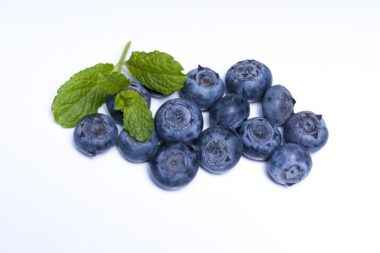
When it comes to pre-workout foods for Pilates, simplicity and nutritional quality are paramount. Focus on whole foods, as they are often less complicated to digest and generally more nutritious than processed alternatives. Some exceptional options include brown rice, sweet potatoes, and whole grain pasta, which provide sustained energy, while fruits like apples and berries offer quick-fuel through natural sugars. Protein sources like chicken breast or turkey can enhance muscle strength but should be consumed in moderation. Nut butter is another excellent source of both protein and healthy fats, making it ideal for pre-workout consumption. Keeping snacks on the lighter side helps maintain comfort while practicing. Smoothies can be a great way to combine fruits, vegetables, and proteins into one easy-to-consume meal. This method also ensures a well-rounded intake of nutrients while remaining easy on the stomach. Consider adding flaxseeds or chia seeds to boost omega-3 fatty acid content. These small dietary changes can have significant effects on overall performance and are worth experimenting with to find your preferred combinations.
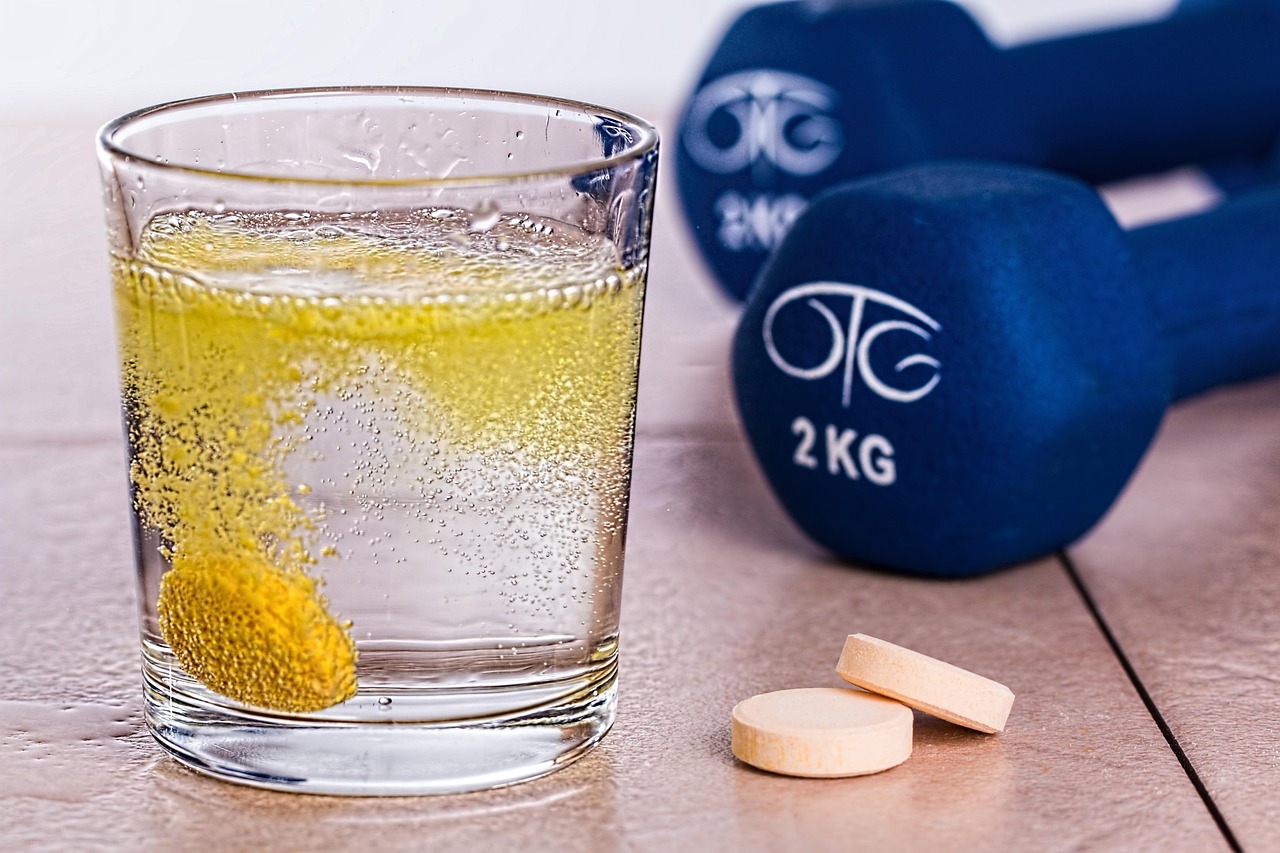
In addition to food choices, hydration should not be overlooked in pre-workout nutrition. Dehydration negatively affects physical performance, and adequate fluid intake can help prevent fatigue, cramping, and dizziness during Pilates. Aim for at least 16-20 ounces of water a few hours before your session, adjusting according to personal needs or external temperatures. Beat the thirst by preparing a hydration routine that fits comfortably into your lifestyle. Herbal teas and coconut water are also beneficial alternatives that can help replenish electrolytes lost during physical activities. Avoid sugary drinks or high-caffeine beverages as they might lead to energy crashes. Instead, stay focused on optimal hydration through water and nutrient-dense fluids. Keeping a reusable water bottle nearby can remind you to stay hydrated throughout the day, even before your workout. Tracking your fluid intake can further ensure proper hydration levels. Being mindful about hydration support not only replenishes the body but also enhances overall health, leading to better Pilates sessions and improved fitness outcomes in the long term.
Listening to Your Body
Listening to your body’s signals is crucial for determining the right pre-workout nutrition strategies. Everyone has different preferences and tolerances when it comes to food, and understanding these can lead to better results during Pilates sessions. Keeping a food and exercise journal can help pinpoint successful meal choices and timings through individualized observations. Tracking energy levels, digestive comfort, and overall workout performance can lead to tailored nutrition strategies that align perfectly with your personal needs. Adjust portions and food types based on how you feel before, during, and after workouts. It’s essential to embrace the trial-and-error period to find what works best for you. Remember that your diet can vary based on activity levels, so don’t be afraid to modify your eating habits during more intensive training periods. Additionally, be open to reconsidering meals or snacks that don’t provide the anticipated results. Flexibility in your approach will ultimately help you cultivate a routine that fully supports your Pilates practice.
Post-exercise recovery is just as important as pre-workout nutrition. Consuming a balanced meal or snack after a Pilates session can effectively replenish glycogen stores and begin the muscle repair process. This is particularly crucial if you plan to exercise again soon. A combination of proteins and carbohydrates is ideal for recovery—think a protein smoothie, chicken salad, or whole-grain wrap. Not only does this provide fuel for subsequent workouts, but it also promotes overall health and well-being. Including foods high in antioxidants such as berries can help reduce inflammation caused by exercise. Planning for recovery meals can enhance overall fitness progression and support balanced nutrition. Each individual should consider their specific post-workout caloric needs based on factors such as workout duration and intensity. Seeking guidance from a registered dietitian or nutritionist can further refine your post-exercise nutrition strategy. By focusing on nutritious recovery options, you can significantly enhance your overall performance and ensure you’re ready for the next Pilates session.
Final Thoughts
Finally, mastering pre-workout nutrition for Pilates sessions takes time and patience. Don’t rush the process; instead, be open to experimentation and finding what best suits your body’s unique needs. Awareness of your dietary habits and their impact on performance will allow you to make informed decisions. Remember, consistency is key. The more regularly you follow a balanced approach to pre-workout nutrition, the more familiar your body will become with its reactions during practice. This familiarity will empower you to optimize energy levels and overall performance. Surround yourself with supportive resources, including training programs, community forums, and nutrition guides that align with your Pilates journey. Engage with trainers and nutrition specialists for personalized advice, and consider joining group classes to enhance motivation. Ultimately, the goal is to promote not only physical health but also mental well-being. Striking a balance between nutrition and exercise is essential for achieving optimal results, creating enjoyable and fulfilling Pilates experiences. Embrace the process, refine your approach, and enjoy the journey of better health and fitness through your tailored Pilates nutrition strategy.
As you explore pre-workout nutrition strategies, remember that knowledge and understanding are your best allies. Research widely, stay informed, and prioritize your health journey as part of your Pilates routine. The road to optimal nutrition is paved with both successes and lessons learned; embrace this journey for the best possible outcomes. Best of luck in your Pilates practice!