
The Importance of Gut Health for Pilates Practitioners
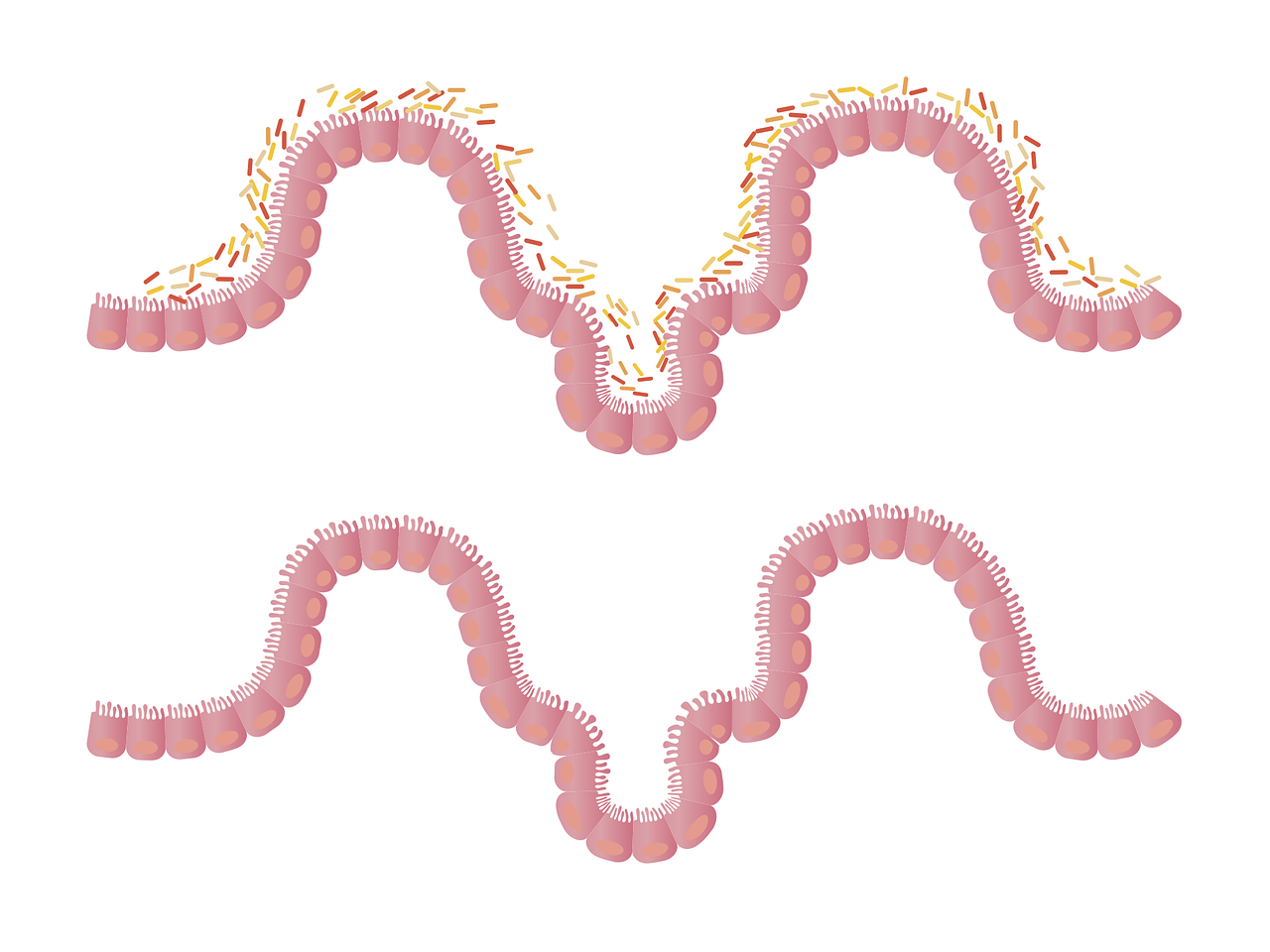
Gut health plays a pivotal role in the overall performance of Pilates practitioners. Achieving optimal gut health can significantly enhance physical performance and improve body awareness during Pilates workouts. The gut microbiome comprises trillions of microorganisms that aid in digestion, immunity, and even mental health. A balanced gut microbiome can enhance nutrient absorption, which is vital for energy levels and recovery. Pilates, primarily focused on core strength and flexibility, requires practitioners to maintain high energy levels. Thus, sufficient nutrient intake and digestion are crucial. Consuming foods that are rich in prebiotics and probiotics will support a healthy gut microbiome. Pairing this with regular Pilates sessions can lead to profound improvements in strength, balance, and overall well-being. Including fibers, healthy fats, and lean proteins in your diet will also provide your body with the essential building blocks needed for muscle repair. Furthermore, a mindful approach to nutrition focusing on whole, unprocessed foods can synergistically complement Pilates practice, ensuring that practitioners feel energized and capable during each session. Thus, focusing on the dietary component is an integral part of being an effective and capable Pilates practitioner.
Understanding the link between gut health and Pilates performance is essential for practitioners striving to maximize their workouts. The gut-brain connection influences motivation, mood, and overall mental clarity. Issues like bloating, indigestion, or discomfort can distract from concentrating on practice motions. To combat these issues, practitioners should consider incorporating gut-friendly foods into their diet to promote digestion and comfort. Fermented foods like yogurt and sauerkraut contain healthy probiotics that can significantly contribute to nutrient absorption. Likewise, consuming enough water during the day supports digestive health by promoting regular bowel movements. Hydration also improves muscle function during Pilates exercises, reducing the risk of cramps or injuries. It’s essential to listen to your body and notice how specific foods impact your performance and well-being. Adjustments in diet may be needed based on individual experiences with certain foods and how they react during workouts. Mindful eating practices, such as chewing slowly and appreciating your food, not only improve digestion but also foster a deeper connection between mind and body. Therefore, maintaining gut health is a fundamental aspect of optimizing Pilates practices and reaching personal fitness goals.
Nutrition’s Role in Enhancing Gut Health
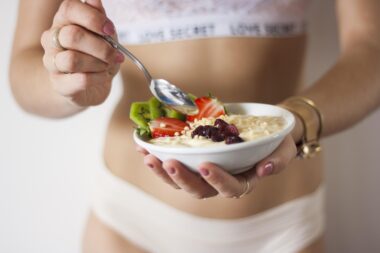
Nutrition is a significant factor in maintaining and enhancing gut health for Pilates practitioners. A balanced diet containing a variety of nutrients has been scientifically supported in optimizing gut microbiome composition. Nutrients such as fiber, vitamins, and healthy fats are essential for ensuring proper digestion and absorption of food. Foods high in fiber, such as whole grains, fruits, and vegetables, support the growth of beneficial gut bacteria, while also contributing to a feeling of fullness, which can help in weight management. Moreover, increasing the intake of healthy fats like omega-3 fatty acids found in fish and flaxseeds positively impacts gut health by reducing inflammation. This reduction in inflammation can lead to better muscle recovery, allowing practitioners to maximize their training. Integrating colored fruits and vegetables into meals ensures a diverse nutrient intake and exposes the body to various antioxidative compounds. This diversity supports a balanced gut microbiome, leading to improved energy levels and focus during Pilates sessions. Practitioners can experience the benefits of good gut health by being mindful of their dietary choices, aiming for variety and balance in their meals each day.
Probiotics are another critical aspect of nutrition that every Pilates practitioner should consider when focusing on gut health. These beneficial bacteria can be found in supplements and many dairy products. Probiotics help establish and maintain a healthy gut microbiome, ensuring that harmful bacteria do not overpower good bacteria. Research shows that maintaining a healthy gut can reduce the risk of digestive issues, thereby allowing practitioners to enjoy their workouts without worrying about discomfort. Incorporating foods like kefir, kimchi, and kombucha can naturally enhance probiotic levels. These foods can be easily integrated into meals or enjoyed as snacks. It’s crucial to select high-quality sources of probiotics to ensure efficacy and stability. Additionally, combining probiotics with prebiotics, which are non-digestible fibers that feed beneficial bacteria, can maximize their effectiveness. Foods rich in prebiotics include bananas, asparagus, and onions, therefore, combining both pre- and probiotics in your diet is advised. This balanced approach to nutrition can yield enhanced results for Pilates practitioners, allowing for better focus, energy, and performance during each session.
Mindful Eating Practices for Gut Health
Implementing mindful eating practices can further enhance gut health and support Pilates performance. Being fully present during meals can dramatically change the way food is digested and processed within the gut. Approaching meals with intention allows for better awareness of food choices and promotes a deeper appreciation for nutrition. By mindfully chewing and savoring each bite, practitioners give their digestive system the opportunity to adequately process food. This practice can influence satiety signals, effectively reducing the tendency to overeat, and can also promote a healthier relationship with food. Choosing a calm and pleasant environment for meals can enhance the mindfulness experience, allowing for fewer distractions from electronic devices and routines. Additionally, keeping a food diary can help practitioners track their food intake, noting how various foods make them feel during Pilates. Awareness of these patterns allows for more tailored dietary choices, contributing to improved gut health over time. Hence, integrating mindfulness into daily eating habits transforms not only gut health but also overall wellness, enhancing the Pilates practice experience.
Hydration cannot be overlooked when discussing gut health in relation to Pilates. Adequate water intake is necessary for digestion, nutrient absorption, and even overall performance during workouts. Dehydration can lead to sluggish digestion, discomfort, and reduced physical performance, proving detrimental to practitioners aiming for optimal results. It’s essential for Pilates practitioners to stay hydrated, especially before and after sessions. Ideally, individuals should be consuming adequate water throughout the day, adjusting intake based on personal activity levels and sweat rates. Infusing water with fruits or herbs can make hydration more enjoyable while providing extra nutrients beneficial for gut health. Moreover, herbal teas such as ginger or peppermint can aid digestion and soothe the stomach. Being mindful of hydration during workouts will prevent fatigue, cramping, and maintain energy levels. Practitioners should aim for clear urine color as a good indicator of hydration status. Therefore, prioritizing hydration is vital in supporting gut health, which in turn supports productive and effective Pilates practice, allowing individuals to fully engage in their physical journey.
Conclusion: Embracing Gut Health for Enhanced Performance
In conclusion, prioritizing gut health is an essential aspect for anyone committed to enhancing their Pilates practice. An aligned approach to nutrition, using gut-friendly foods, mindful practices, and hydration, paves the way to improved core strength, balance, and overall fitness. It is clear that gut health influences not only physical well-being but also mental clarity and emotional stability. Implementing strategies such as maintaining a diverse diet rich in prebiotics and probiotics can yield profound improvements in performance and energy levels. Being aware of one’s body and how different foods affect performance is an indispensable part of the Pilates journey. Establishing a symbiotic relationship between nutrition and movement is vital for every practitioner. The holistic focus on gut health ensures that one not only performs better but also cultivates a sustainable lifestyle that embraces wellness, vitality, and strength. By considering how gut health plays a crucial role in the body’s mechanics, practitioners can significantly enhance their sessions and overall health. Therefore, making informed dietary choices will catalyze a more effective Pilates experience.
In the long run, adopting a lifestyle centered around gut health and Pilates can lead to significant benefits, including improved fitness and well-being. Taking these concepts beyond just workout sessions into day-to-day life can yield lasting health outcomes. Overall, the journey through Pilates can become an embodiment of self-care and empowerment, offering both physical and mental gains. Prioritizing gut health truly brings an added dimension to the Pilates practice, providing benefits that echo beyond the mat to a fuller, more vibrant way of living. Engaging deeply with nutrition enhances overall life quality, enabling practitioners to navigate daily challenges with improved energy, focus, and resilience. Ultimately, those who embrace these practices will reap the rewards, fostering a healthy relationship with nutritional habits. With appropriate dedication, Pilates practitioners can utilize the power of gut health to unlock their body’s true potential, creating a balanced lifestyle that resonates with wellness and vitality. It’s time to recognize the strong connection between gut health and Pilates and take actionable steps toward achieving one’s fitness goals.