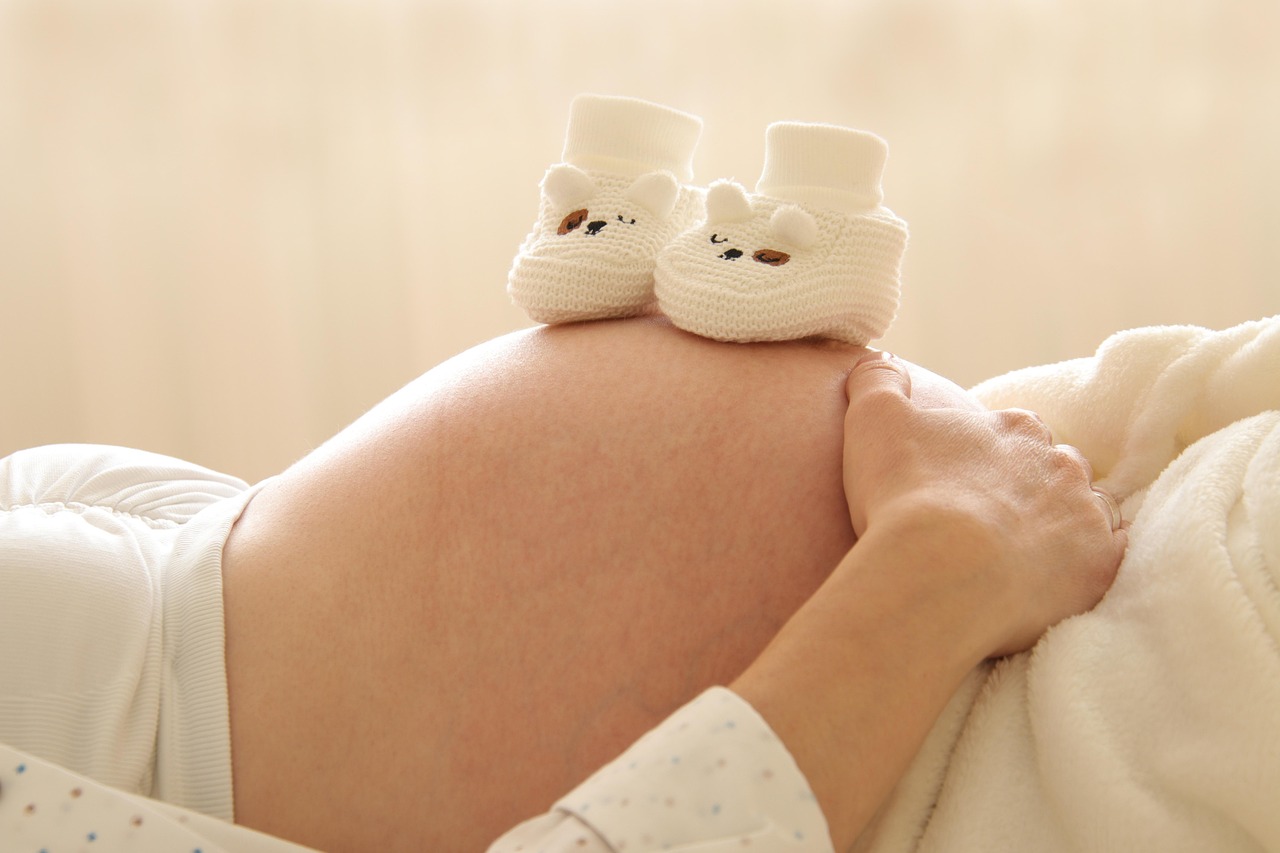

Encouraging Inclusivity in Pregnancy and Postpartum Fitness Communities
Inclusivity in pregnancy and postpartum fitness communities is essential for fostering a supportive environment. Pregnant and postpartum individuals come from diverse backgrounds, body types, and fitness levels. Acknowledging this variety is crucial to creating a space where everyone feels welcome and empowered. By organizing classes that cater to different abilities and experiences, communities can reach more participants. For example, offering low-impact workouts can accommodate those with specific physical limitations while introducing higher-intensity workouts for those ready to push themselves. It’s also vital to promote body positivity and acceptance in these settings. This means steering clear of language that may ostracize individuals who do not fit a conventional fitness mold. Encouraging participants to celebrate achievements, regardless of how small, contributes to a more accepting atmosphere. By showcasing diverse stories of strength and resilience, fitness leaders can inspire others. Online platforms and local support networks can aid in sharing these narratives. In addition, integrating guest speakers or professionals can help address mental health, nutrition, and overall well-being during these transitions. Empowering users to share their journeys creates a vibrant community. Through collective support, everyone can thrive in pursuing fitness goals.
Building strong relationships is key within pregnancy and postpartum fitness groups. To ensure that all individuals feel valued, it’s important to create opportunities for connection. These can include social events, workshops, or online discussions focusing on shared experiences. Establishing small workout groups or buddy systems can further enhance support networks. Participants can engage more comfortably while fostering motivation and accountability. Exercise is as much a mental challenge as it is a physical pursuit. To cultivate a sense of belonging, fitness instructors should encourage open dialogues, inviting feedback on inclusiveness and suggested modifications. This level of communication empowers individuals to express their needs effectively. Class schedules should also be flexible, accommodating diverse lifestyles and commitments. For instance, offering evening or weekend classes can attract more participants, accommodating various family and work situations. It’s equally important to consider childcare options, which can be a significant concern for new parents. By incorporating child-friendly activities or providing on-site childcare, fitness communities can alleviate stress and enhance participation. Ultimately, a support system that encompasses various aspects of life contributes to a stronger community. By prioritizing these relationships, everyone can embark on their fitness journey with confidence and camaraderie.
The Role of Educating Instructors
Instructors play a pivotal role in encouraging inclusivity within pregnancy and postpartum fitness communities. To effectively engage participants, instructors should receive specialized training that addresses unique needs during these transformative stages. They need to understand anatomical changes, common complications, and emotional shifts associated with pregnancy and postpartum recovery. Training programs should also emphasize communication skills, enabling instructors to foster a welcoming environment. This prepares them to address participants’ individual concerns and offer modifications tailored to various fitness levels. By cultivating a personalized approach, instructors can ensure that everyone feels supported and valued. Creating lesson plans that incorporate diverse exercises is essential. This helps participants experience a well-rounded workout, encompassing strength, flexibility, and cardiovascular fitness. Additionally, instructors can keep classes engaging and challenging while remaining accessible. Regular check-ins to assess individual progress and comfort levels provide valuable insight. This reinforces trust and security within the community. Encouragement and peer support are significantly enhanced in an inclusive atmosphere. When instructors practice empathy and understanding, they model the behavior desired within the larger community. This holistic approach sets the stage for an enriching and fulfilling fitness experience for everyone involved.
Cultural sensitivity is another essential aspect of inclusivity in pregnancy and postpartum fitness. As communities become increasingly diverse, recognizing various cultural backgrounds and beliefs about fitness and health is vital. By understanding specific cultural practices and rituals, fitness leaders can create an environment that respects and incorporates these differences. For example, dietary preferences or exercise styles may vary from culture to culture, and acknowledging this variety can enrich the community. Hosting workshops that celebrate different cultures through fitness or nutrition can foster understanding and unity. Community members can share unique practices, allowing everyone to learn and grow together. Flexibility in scheduling can also reflect cultural considerations, ensuring that fitness classes do not conflict with significant observances or celebrations. Furthermore, providing materials in multiple languages can help bridge communication gaps, enabling broader participation. Social media channels can amplify these efforts by showcasing culturally inclusive practices and promoting collaborative events. When participants see their culture and experiences represented, they feel a stronger sense of belonging. Through these actions, pregnancy and postpartum fitness communities can nurture an environment where all feel valued and empowered to pursue their fitness goals and build lasting connections.
Holistic Wellness Approach
Adopting a holistic approach to wellness contributes significantly to inclusivity in fitness communities focused on pregnancy and postpartum support. This perspective considers not only physical well-being but also mental, emotional, and social health. By addressing the myriad factors influencing overall well-being, participants can achieve a more balanced health experience. Incorporating mental health resources and mindfulness practices helps provide a comprehensive support system. Classes can include elements such as meditation or breathing exercises, enhancing individual wellness. Connecting participants with mental health professionals in workshops or resources is equally important. This empowers individuals to seek assistance when needed and reduces stigma surrounding mental health issues. Nutritional education also plays a crucial role in fostering inclusiveness. Hosting workshops where participants can learn about nutrition tailored specifically for pregnancy and postpartum phases promotes informed choices. Collaborating with registered dietitians can enhance the quality and relevance of this information. Encouraging discussions about lifestyle factors, such as sleep and stress management, further expands the support network. Creating an open atmosphere where participants can share both struggles and successes cultivates genuine connections. Embracing a holistic approach ensures that everyone’s needs are met and valued, fostering a strong community.
Access to resources is a crucial element in building inclusive pregnancy and postpartum fitness communities. Individuals may face barriers to accessing fitness classes or information due to financial constraints, location, or childcare responsibilities. Recognizing these obstacles allows communities to develop tailored solutions that promote accessibility. Offering sliding scale pricing or free classes can ensure that those facing financial challenges can still participate. Additionally, virtual options can expand access for individuals in remote areas or those unable to travel. Providing on-demand content also enables participation at one’s convenience, catering to various schedules. Establishing partnerships with local organizations helps expand resources further. Collaborating with healthcare providers ensures participants receive holistic support that addresses both fitness and overall health. Providing access to informational resources can ease the mental load often associated with navigating pregnancy and postpartum fitness. Building community libraries where participants can access books and materials on fitness, nutrition, and mental health can enhance knowledge and empowerment. By actively seeking to dismantle barriers, fitness communities can create an inviting and inclusive space. When individuals feel supported in their journey, they are more likely to engage consistently and positively in pursuing their fitness goals.
Celebrating Progress and Community
Celebrating progress within pregnancy and postpartum fitness communities is essential for fostering inclusivity and motivation. By recognizing achievements, whether big or small, participants feel valued and encouraged to continue their wellness journeys. Creating platforms to share success stories facilitates connection among members. This can be done via social media groups, newsletters, or community boards. Inclusive recognition should celebrate various forms of success, ranging from completing a challenging workout to achieving personal goals in mental wellness. Engaging participants in discussions about their journeys provides opportunities for mutual support and inspiration. Organizing events, such as community fitness challenges or potlucks, can further strengthen relationships. These gatherings create an atmosphere of camaraderie, where participants share experiences, tips, and encouragement. Holistic wellness days that incorporate nutrition, mental health talks, and fitness sessions can enrich the community experience. In addition, featuring local businesses or experts can diversify the knowledge shared within the community. By highlighting the many contributions and strengths of diverse members, communities foster a more united atmosphere. Celebrating these shared experiences reinforces the importance of connection. Ultimately, fostering an environment focused on shared progress will deepen individuals’ commitment to their wellness journeys and foster a lasting supportive community.
The future of pregnancy and postpartum fitness communities is rooted in continued inclusivity and support. As these communities evolve, it’s crucial to remain adaptable to meet the changing needs of participants. Continued advocacy for policies prioritizing inclusiveness in fitness settings will enhance accessibility and representation. As more individuals share their stories, an authentic collective narrative will continue to be shaped. Embracing technology to provide virtual resources expands reach and fosters connections that transcend geographical barriers. Encouraging ongoing education among instructors and fitness leaders will elevate standards and enhance the quality of experiences offered. Keeping communication open allows communities to adjust and innovate, ensuring that all voices are heard. Feedback loops enable participants to voice concerns and suggestions, paving the way for positive change. Continued collaboration with healthcare professionals fosters a multi-disciplinary approach, addressing both physical and mental wellness effectively. These efforts foster a culture of empathy and understanding within fitness communities. By prioritizing these essential factors, the future of pregnancy and postpartum fitness can be transformative for everyone involved. Uniting individuals in pursuit of health and well-being cultivates powerful relationships. These relationships, forged in trust and support, ultimately create thriving fitness communities.