
The Science Behind Group Support and Prenatal Fitness Benefits
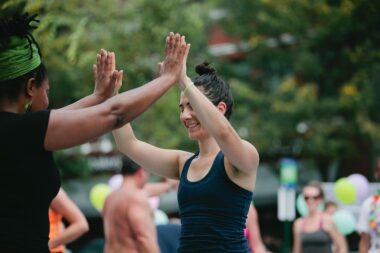
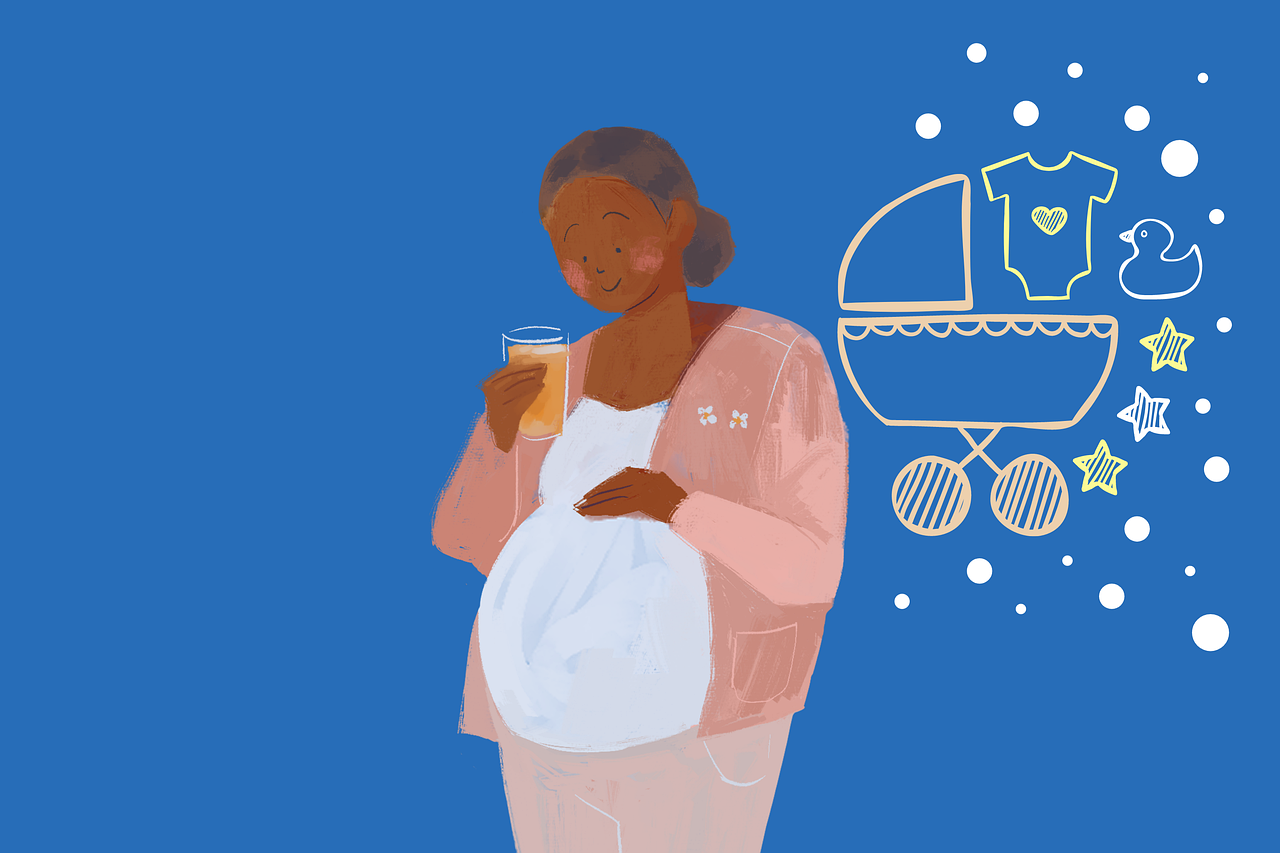
Participating in a prenatal fitness community can vastly improve physical health during pregnancy. Group support fosters a sense of belonging and motivation. Research indicates that women engaging in consistent fitness routines are likelier to experience reduced anxiety and enhanced mood. This encouragement positively affects one’s overall well-being. Being surrounded by individuals facing similar challenges creates a supportive atmosphere, essential for lasting motivation. Moreover, prenatal fitness classes enable participants to share experiences, advice, and fitness tips. This interaction cultivates camaraderie among members that reinforces commitment to health goals. For women unfamiliar with exercise standards during pregnancy, a community can be particularly beneficial. Knowledge sharing helps mitigate fears associated with various fitness activities. Additionally, having others to check in with before and after classes maximizes accountability. The resulting environment often makes it easier to prioritize prenatal fitness in busy schedules. In group settings, instructors often provide tailored modifications, ensuring everyone’s safety. Overall, group support enhances compliance and accountability, fostering sustainable habits that extend beyond pregnancy. Lifelong fitness values can develop through shared goals centered around health, community, and movement. Commit to finding support in a local prenatal fitness group!
Essentially, prenatal fitness transcends mere exercise; it embodies a shared experience that tends to lessen perceived isolation. Merging physical activity with emotional support proves beneficial for pregnant women. Studies show that collective engagement can lead to significant improvements in body image satisfaction. Engaging in exercise alongside others reduces feelings of self-consciousness, often elevated during pregnancy. Furthermore, camaraderie encourages discussions about healthy lifestyle choices, potentially influencing dietary habits positively. Sharing triumphs and challenges within a group can create accountability that is sometimes hard to establish alone. Women can have fun while overcoming hurdles together, solidifying their motivation. Incorporating various forms of activity—be it yoga, aerobics, or pilates—within these communities aids in meeting diverse preferences and fitness levels. This variance not only nurtures personal choice but also enhances enjoyment, increasing overall participation. With quality instruction tailored for prenatal needs, group classes offer safer environments. Participants can learn about their bodies, supportive exercises, and proper movement strategies to optimize functionality. Ultimately, these factors contribute to the successful completion of labor while maintaining an active lifestyle. Embracing community in prenatal fitness is vital for synergizing existing knowledge and paving the way for healthy pregnancies.
Benefits of Connection During Postpartum Fitness
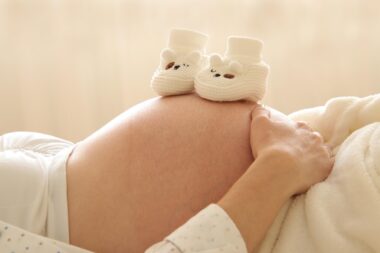
A woman’s journey continues postpartum, wherein group support once again plays a crucial role. Transitioning after birth can be challenging, filled with physical and emotional adjustments. The risks of postpartum depression are real, and social isolation compounds this issue. Engaging with a community can drastically alleviate these feelings. Establishing friendships and ongoing support systems helps new mothers feel understood and empowered by their peers. Group fitness provides an outlet to share these experiences, assisting in social connection and recovery strategies. The physical aspects of postpartum exercise are equally vital; they aid recovery and strengthen previously weakened muscles. Pending any complications, postpartum workouts enhance endurance and energy levels, essential for caring for a newborn. Additionally, many classes emphasize core stabilization and pelvic floor recovery—a key consideration during postpartum rehabilitation. Female camaraderie fosters sharing essential tips, resources, and local family-friendly services, creating a comprehensive support network. Through this communal approach, women can inspire each other to navigate their unique journeys effectively and motivate one another toward achieving balanced wellness. Thus, postpartum fitness communities serve as a vital lifeline, essential for renewal and renewal of self-value.
As women transition from pregnancy into the postpartum stage, shared experiences can greatly aid in redefining their identities. Regularly engaging in group activities can fortify confidence levels during what may feel like a turbulent time. This is particularly relevant for new mothers navigating feelings of uncertainty and worry. Participating in group sessions encourages positive thinking and active discussions about shared emotional states, fostering a compassionate space. Each participant brings unique narratives, diversifying perspectives that enrich the postpartum experience. These interactions contribute to healing and recovery journeys, often replacing self-doubt with empowerment. The formation of lasting friendships comes naturally through shared goals, providing emotional and logistical support. Weekly commitments lead to accountability, ensuring mothers prioritize their own health amidst busy lives. Not only does the physical aspect of exercise come into play, but strategic conversations often spark beneficial life changes. Practical advice regarding infant care, personal wellness, and balance create a resourceful environment for all participants. Valuing this time for oneself within a supportive community encourages new mothers to reclaim their identities. This reclamation forms a strong foundation to build upon as they embark on the exciting, challenging journey of motherhood.
The Role of Fitness Instructors in Community Engagement
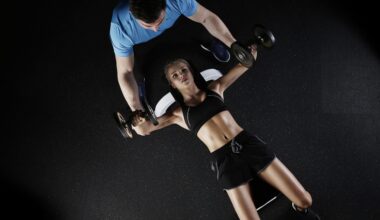
Fitness instructors often act as catalysts within these prenatal and postpartum communities, igniting enthusiasm and commitment to personal goals. Their expertise is crucial in designing safe, effective workouts tailored for pregnant or postpartum participants. Awareness of differing fitness levels and comfort zones allows instructors to engage all members successfully. Instructors provide essential modifications during workouts that foster inclusivity, ensuring safe participation for everyone. Besides building individual strength, classes focus on fostering emotional bonds through collaborative activities. The confidence that group members gain often stems from supportive encouragement and mutual accountability. Instructors may also introduce themed classes or unique challenges encouraging social interaction. Establishing this connection leads to increased enjoyment and adherence among participants, ultimately enhancing group dynamics. Moreover, fitness instructors can facilitate discussions around wellness topics relevant to pregnancy and motherhood. Their guidance can assist women in navigating dietary needs tailored to their postpartum recovery. Providing credible resources allows attendees to feel supported outside the workout environment as well. By creating a sense of community, instructors play an invaluable role in the emotional, social, and physical journey of pregnant and postpartum women embarking on their fitness journeys.
Furthermore, fitness instructors tend to become trusted allies throughout these phases of different women’s lives. The relationships formed within classes extend beyond exercise; they foster mentorships that can last well beyond the duration of classes. Participants often find inspiration in their instructors’ adaptability and perseverance. Instructors play a significant role in cultivating resilience through encouragement and positive reinforcement. The additional emotional benefits create an environment that emphasizes personal growth while reinforcing fitness goals. As participants share their experiences, instructors can also utilize this feedback for future classes, tailoring sessions to better meet the group’s evolving needs. The collective nature of shared sessions fosters a bond that lasts beyond their time together in the studio. Participants often find themselves exchanging contact information, organizing playdates, or continuing their fitness goals together. Both mutual reliance and personal accountability are crucial elements contributing to sustained interest in fitness. Whether planning postnatal workouts or collaborative community events, the foundation established in class can encourage lifelong fitness practices. Thus, instructors and participants merge to form an indelible bond that ultimately benefits everyone involved. Every connection nurtures growth and collective empowerment.
Building Trust Through Shared Experience
The beauty of group support during pregnancy and postpartum fitness lies in creating spaces for women to share authentic experiences. This openness builds trust, which enhances cooperation during workouts. Trust promotes comfort in discussing sensitive topics such as mental health and body image challenges during this crucial period. Weed out any preconceived notions and insecurities through candid exchanges that naturally arise within these supportive environments. This transparency fosters problem-solving through collaboration, uniting women who face similar adversities. Through exposure to others’ journeys, participants may discover new strategies to tackle anxiety or self-image concerns. Additionally, discussions around common fears or struggles promote individual coping mechanisms and emotional wellness strategies. The shared understanding nurtures resilience, encouraging women to tackle challenges with greater confidence. Collective experiences offer a sense of normalcy during a time that can feel chaotic. Embracing shared vulnerability allows participants to address feelings under the radar while supporting one another’s paths to recovery. The strength that comes from group settings transcends mere exercise; it transforms into holistic personal development and growth. Empowered women thrive when supported, fostering a positive ripple effect benefitting the broader community.
Through holistic engagement, incorporating emotional support within fitness practices serves as a powerful testament for the importance of shared experiences. Both the pregnancy and postpartum journeys are emotional rollercoasters requiring sisters in fitness to share their stories and offer advice. Furthermore, community-driven initiatives enable participants to explore workshops or events beyond standard fitness classes. Emerging connections can evolve into collaborative projects aimed at education, advocacy, or wellness-focused events. This collaborative effort empowers mothers to link physical capability with a strong social system, fostering a profound sense of belonging. Debunking myths about workouts or postpartum recovery helps empower participants, instilling confidence in their abilities as mothers and women. Ultimately, this encouragement nurtures lasting friendships and creates strong support networks that extend far beyond the sessions. Lifelong partnerships can emerge from these collective experiences as mothers evolve and navigate new phases of their lives. As each woman progresses, these bonds hold potential for collective influence, championing the needs of the fitness community. The shared experiences create enduring impact beyond the studio walls, fostering an empowered community able to support each other through every stage of motherhood.