
Group Cardio Classes Designed Specifically for Seniors
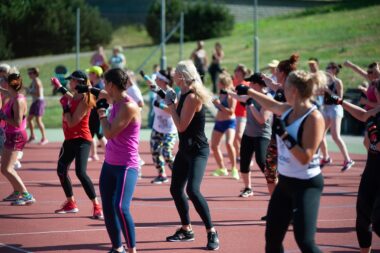
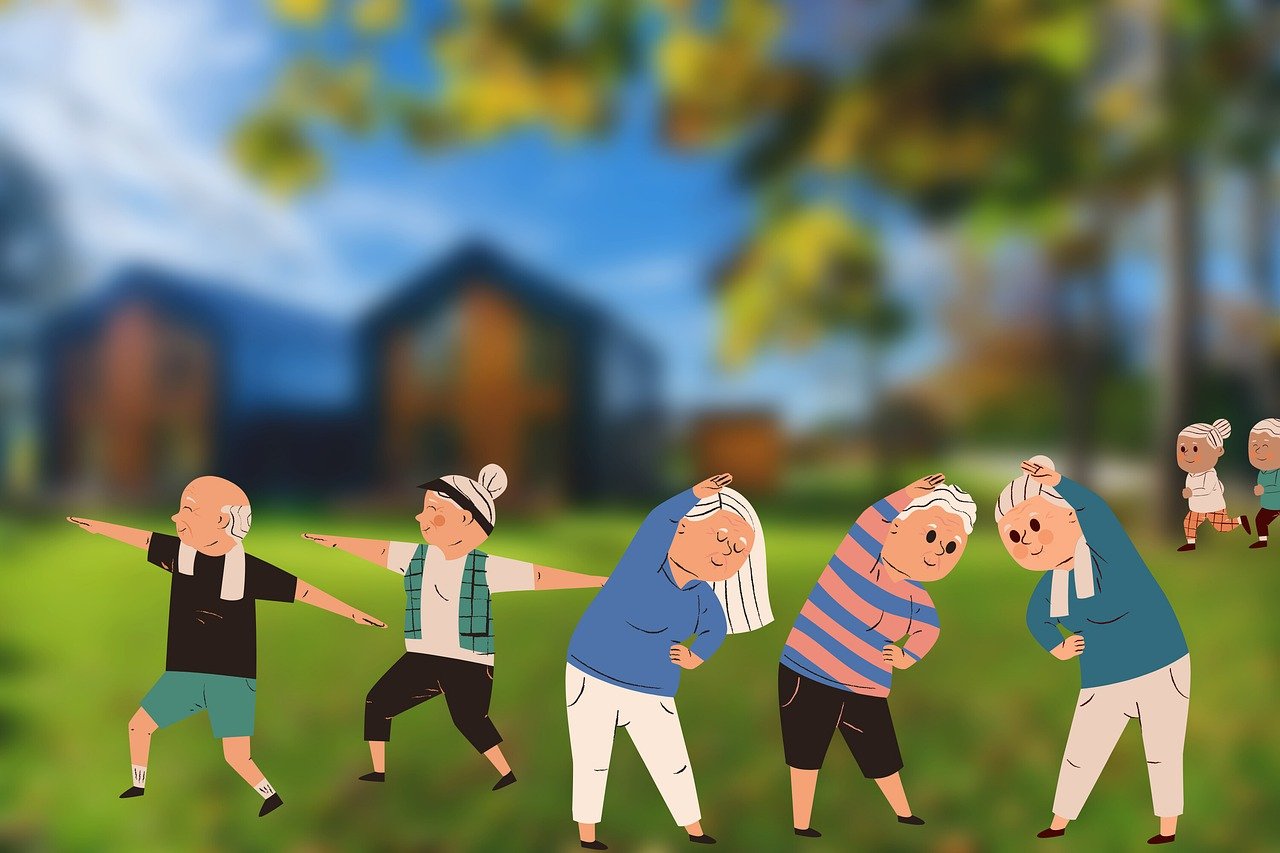
Cardiovascular training is crucial for seniors as it engages the heart and lungs, enhancing overall health. Group cardio classes tailored for seniors offer numerous benefits, making exercise a social, enjoyable experience. Unlike traditional solo workouts, group sessions create a sense of community and promote motivation. Participants often feel encouraged and supported by their peers, which can lead to improved adherence to fitness regimens. Classes may include various formats such as dance aerobics, low-impact step classes, or gentle cycling, ensuring that all fitness levels are accommodated. Moreover, these sessions often focus on balance and coordination, important aspects that help prevent falls in seniors. Expert instructors understand the unique needs of older adults and tailor workouts to minimize injury risk while maximizing benefits. Warm-ups, proper modifications, and cool-down practices are typically incorporated. The camaraderie built within these groups fosters a positive attitude toward fitness, dispelling the notion that exercise is daunting. Seniors can form lasting friendships while achieving individual health goals. These group environments create a holistic approach to wellness, merging social interaction with physical activity for a fulfilling experience.
In addition to physical benefits, group cardio classes emphasize mental health for seniors. Regular exercise is linked to improved mood, reduced anxiety, and increased cognitive function. By participating in group classes, seniors can combat feelings of loneliness and isolation, which are prevalent among older adults. Social interaction becomes an integral part of the experience, where conversations and laughter contribute to an uplifting atmosphere. Engaging in movement alongside others can make the activity feel less strenuous and more enjoyable. Instructors typically incorporate fun elements such as music and games, which elevate spirits and enhance motivation. Furthermore, being part of a supportive community often leads to better accountability. Attending classes regularly becomes a shared commitment that participants uphold together. Research supports that socializing is beneficial; it has been shown to enhance mental acuity and decrease the risks of depression in seniors. Therefore, these cardio classes are not only about physical conditioning but also serve as a valuable social outlet. This dual benefit of exercise for the body and the mind creates a more holistic approach to senior health and well-being.
Safety is always a priority in senior-focused group cardio classes, ensuring that participants can exercise without the anxiety of injury. Instructors are trained to recognize the physical capabilities and limitations of older adults, providing modifications and alternatives for various exercises. For example, instead of jumping movements, they may suggest modifications involving lower impacts, such as shifting weight or step-touch actions. Equipment used in classes is also selected with senior safety in mind; resistance bands or light weights may be beneficial examples. These tools strengthen muscles while reducing strain on joints. Proper warm-up and cool-down phases protect against injuries and promote flexibility, ensuring that participants leave feeling refreshed rather than fatigued. Furthermore, instructors are often skilled in monitoring heart rates and encouraging participants to speak up if they feel uncomfortable. This proactive approach fosters a trusting relationship wherein seniors can feel safe to express concerns. As game-changers for many, these classes empower individuals to take control of their health while promoting a sense of belonging and camaraderie among the participants.
Types of Cardio Training
Group cardio classes for seniors come in various forms, each catering to different interests and fitness levels. A popular format is dance aerobics, where participants engage in rhythmic movements set to lively music. This option not only enhances cardiovascular endurance but also allows for an enjoyable experience that often feels like a party. Many seniors find joy in expressing themselves through dance, making it an excellent workout choice. Low-impact group circuits incorporate steps, resistance bands, and light equipment to foster a challenging yet safe training environment. Classes focusing on aqua aerobics leverage the buoyancy of water, minimizing stress on joints while still offering a great workout. Additionally, gentle cycling classes focus on stationary bikes designed for comfort, making it easy for seniors to build stamina. Each of these formats aims to create an engaging atmosphere, ensuring that seniors remain motivated and committed to their fitness journey. Moreover, varying class offerings appeal to a broader audience, encouraging seniors to try different activities and discover what they enjoy the most. This variety guarantees that workouts do not become monotonous over time.
Participating in these group cardio classes fosters an attitude of lifelong health. Many seniors report that joining group classes has inspired them to adopt healthier lifestyles beyond the fitness studio. This includes improved nutrition, increased physical activity throughout the week, and a greater awareness of body wellness. As individuals witness their endurance and strength improving over time, their confidence blossoms. Regular attendance cultivates a routine, further reinforcing a commitment to an active lifestyle. Many participants form friendships that extend beyond class, sometimes organizing walking groups or social gatherings to maintain motivation and support. This transition from a formal class setting to real-life interactions enhances the social dynamic while promoting healthy discussions and activities outside the organized classes. Peer encouragement serves as a powerful tool in maintaining fitness driven habits. Moreover, those who progress together can celebrate milestones, whether it’s completing a certain number of classes or achieving personal goals. This shared journey fosters a sense of accomplishment and unity within the group, reinforcing both social bonds and individual motivations.
Nutrition plays a crucial role for seniors participating in cardio training, complementing their fitness efforts. Many group classes incorporate educational components that emphasize healthy eating patterns to enhance overall results. Instructors might provide meal planning tips, hydration advice, and demonstrations of quick, nutritious recipes ideal for seniors. Access to this valuable information equips participants with knowledge to make healthier choices in their daily lives. Understanding the relationship between diet and exercise emphasizes the need for balanced meals that provide adequate energy levels throughout a workout. Many seniors find support in sharing recipes and meal ideas within their classes, creating a network of wellness. These shared experiences facilitate discussions about nutrition, potentially leading to better health outcomes. Encouraging experts to offer health screenings at these group classes can further enhance the experience. Simple discussions about nutrition and health assessments encourage self-awareness and accountability among participants. Continuing education on healthy practices outside the cardio classes becomes essential in sustaining long-term behavior changes aimed at better health and quality of life.
Conclusion
In conclusion, group cardio classes designed specifically for seniors provide a multifaceted approach to health and well-being. These classes improve cardiovascular fitness while simultaneously fostering community connections among participants. The balance of physical activity, social interaction, education on nutrition, and safety creates an enriched experience that caters specifically to the needs of older adults. With various engaging formats available, seniors can find enjoyable ways to work out, preventing monotony and promoting a sustained commitment to fitness. Instructors play a vital role in ensuring that classes are safe, welcoming, and effective, providing modifications tailored to individuals’ unique abilities and health considerations. As seniors experience positive changes in their health, their quality of life improves through increased mobility, enhanced mood, and confidence in their capabilities. Therefore, joining group cardio classes can truly transform the lives of seniors, offering significant physical and emotional benefits. Encouragement from their peers and experienced instructors creates a nurturing atmosphere, essential for a successful fitness journey. Many individuals discover newfound passions and friendships that last well beyond the confines of the cardio studio.