
Using Dance as Cardio Exercise for Older Adults
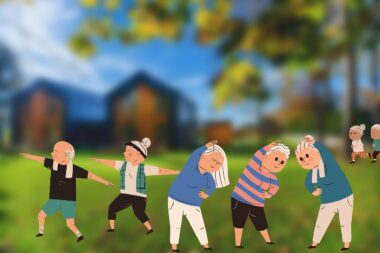
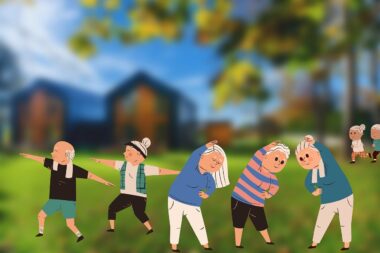
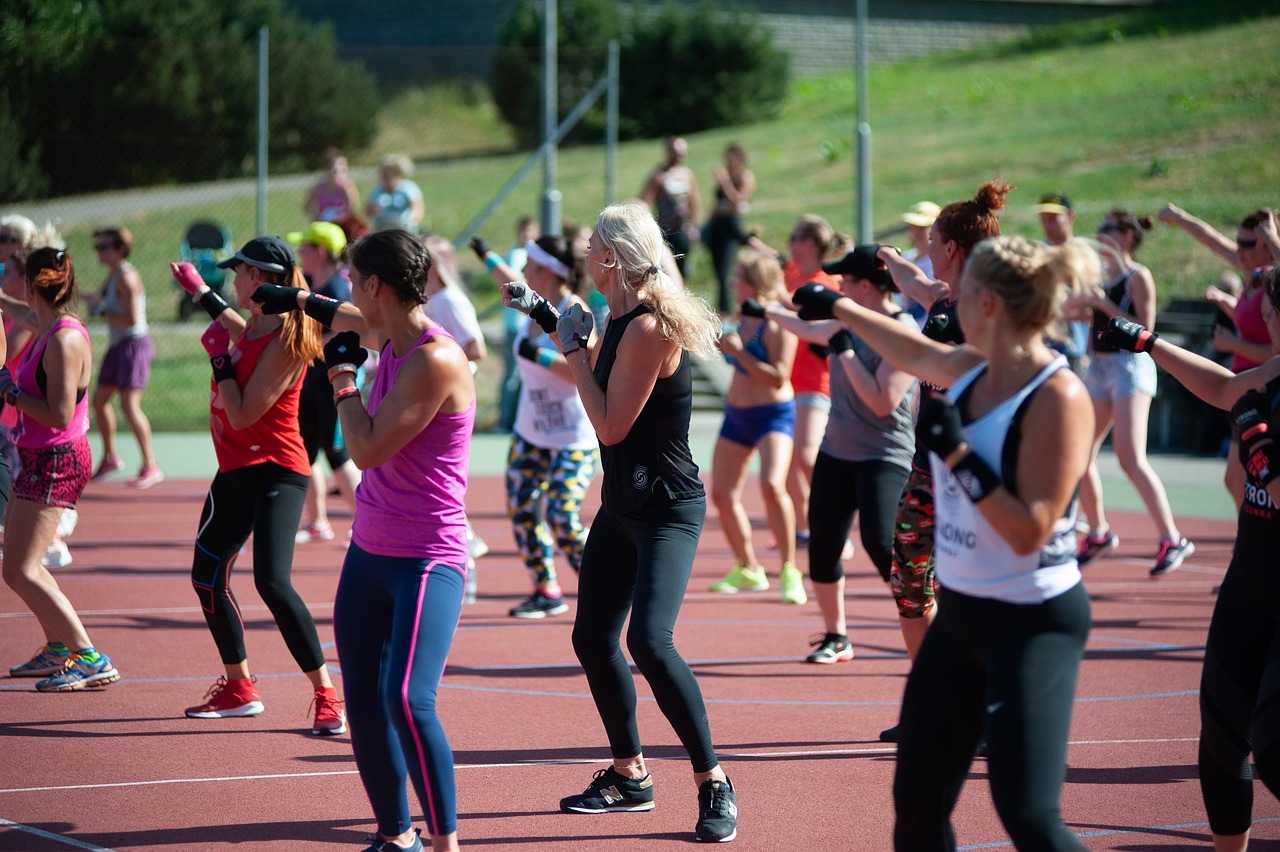
Dance is an enjoyable and effective way to introduce cardio exercise into the lives of seniors. It provides not only physical benefits but also psychological advantages, including improved mood and social engagement. Many older adults may feel apprehensive about traditional workouts; however, dance offers an appealing alternative. Styles such as ballroom, salsa, or even line dancing can cater to various preferences and fitness levels. Engaging in dance increases heart rates, enhances circulation, and strengthens muscles without the monotony of conventional exercise. Additionally, it allows participants to connect with others, making it a social activity. These benefits can lead to increased adherence to a regular fitness routine, contributing to better overall health. Moreover, dance can improve flexibility and balance, reducing the risk of falls, which is particularly important for seniors. By integrating music and rhythm, dance becomes a fun activity that may encourage more frequent participation. Establishing a regular dance routine may enhance cardiovascular endurance over time, ultimately fostering a healthier lifestyle for older adults looking to stay active.
One of the primary benefits of dance as cardio for seniors is its adaptability. Older adults can participate at various intensity levels, ensuring that anyone can enjoy it regardless of their fitness background. Whether it involves slow-paced waltzing or more vigorous aerobic-based dance forms, there is something for everyone. Additionally, dance can be adapted to accommodate mobility limitations or injuries, making it accessible to all. Programs specifically designed for seniors can help guide participants through age-appropriate movements, focusing on safety while maximizing enjoyment. It is essential to find a dance class led by an experienced instructor who understands the specific needs of older adults. These classes not only provide instruction but also encourage social interaction among participants. In credits to the rhythmic aspect, dancing can stimulate the brain, improve coordination, and sharpen cognitive function. The release of endorphins during dance can provide an emotional uplift, making the body and mind feel rejuvenated. Overall, dance as cardio exercise can lead to significant improvements in both physical and psychological well-being in older adults.
Types of Dance Suitable for Seniors
When considering dance options for seniors, several styles stand out as particularly beneficial and enjoyable. First, ballroom dancing includes styles such as tango, foxtrot, and quickstep, which involve partners and foster social connections. These dances can be gentle on the body while also providing cardiovascular benefits. Next, line dancing is suitable as it can be done alone and allows older adults to participate without the need for a partner. This style involves choreographed steps done in unison, promoting coordination and memory. Salsa is another excellent option, providing a lively atmosphere that can elevate mood while allowing flexibility in movement. Zumba Gold focuses on lower-intensity movements and incorporates a variety of musical genres, making it suitable for seniors of all fitness levels. Additionally, chair dancing allows those with mobility constraints to enjoy movement while seated, ensuring they remain active and engaged. By selecting suitable dance types, older adults can experience the joy of movement while reaping the cardiovascular and physical benefits that come with it.
Water aerobics is also a popular activity, particularly for seniors wishing to minimize strain on their joints. Mixing water resistance with dance moves offers a fantastic way to enhance cardiovascular fitness while promoting muscle strength, flexibility, and endurance. Many community centers and gyms offer classes specifically designed for older adults, combining music and choreography in a secure environment. These classes encourage social engagement while providing an enjoyable and effective workout. Dance workouts can also be done virtually, providing convenient options for seniors who may prefer exercising at home. Online classes, available on various platforms, can bring the joy of dance right to their living rooms. This flexibility allows seniors to exercise at their own pace in a comfortable environment. Dance programs and apps tailored for older adults can now be accessed alongside instructional videos and playlists, enabling individuals to choose their favorite music and styles. Overall, embracing various dance options not only makes cardio exercise fun but promotes an enjoyable way for older adults to remain active and socially connected.
Health Benefits of Dance as Cardio
Participating in dance as a form of cardio exercise can lead to numerous health benefits for older adults. The repetition of varied dance movements promotes cardiovascular health, which is essential for maintaining an active lifestyle. Regular dancing improves heart function, lowers blood pressure, and enhances overall endurance, which is vital for increasing daily energy levels. Furthermore, the rhythmic nature of dance often encourages weight management, reducing the risk of obesity-related conditions such as diabetes and heart disease. This multifaceted approach to exercise benefits not only the heart but also engages various muscle groups, promoting improved strength and flexibility. Notably, dance can also foster cognitive health. Learning routine sequences helps keep the mind sharp and engaged. As older adults learn new dance moves, they stimulate neural pathways essential for memory and coordination. Additionally, cultivating a hobby like dance enables stress reduction and emotional well-being. The joy of dancing coupled with social interaction positively influences mental health, which is crucial for maintaining emotional stability in older adults.
Moreover, dance serves as a low-impact alternative to high-intensity workouts for seniors who may have restrictions due to chronic conditions. The gentle, rhythmic movements, such as swaying or stepping side to side, can be beneficial for seniors with arthritis or limited mobility. The social aspect of dance can also provide an emotional boost by reducing feelings of isolation or depression. Regular engagement in a group dance setting fosters friendships and camaraderie, enhancing the quality of life. This active participation dramatically contrasts the sedentary lifestyle many seniors may embrace. Through dance, older adults gain enjoyment and laughter while maintaining physical fitness, showcasing how movement in a lively environment can bring happiness and overall wellness. Safety should remain a priority; thus, seniors should consult with healthcare providers to determine their suitability for specific dance styles. Ensuring safety measures are in place, such as appropriate footwear and the presence of a qualified instructor, can enhance the experience. With preparation and the right approach, dance can become a treasured exercise advantageous for physical and emotional well-being.
Setting Goals and Finding Classes
When starting a dance cardio program, it is essential for seniors to set realistic fitness goals. This process helps maintain motivation and track progress. Goals may vary from increasing stamina, losing weight, or simply having fun. Monthly goal-setting can help seniors focus their efforts and remain engaged in their physical fitness journey. To find suitable dance classes, younger relatives or friends can support seniors in researching local community centers or fitness studios offering classes tailored specifically for them. Alternatively, online platforms can help representatives discover virtual classes, providing more flexibility and comfort in participation. It’s vital to start with beginner-level classes to avoid overexertion and ensure proper form. Seeking out classes led by instructors experienced in working with seniors can significantly enhance the overall experience, providing appropriate guidance and modifications. Older adults may also explore various dance styles to determine which resonates with them personally. Ultimately, the most important aspect of a cardio dance routine is enjoying the process, connecting with others, and celebrating each accomplishment as they embark on their fitness journey.
In conclusion, incorporating dance as a cardio exercise for older adults offers myriad benefits that extend beyond physical health. The joy of movement, the social connections created, and the cognitive engagement found through dance can significantly improve the quality of life for seniors. Participants can explore various dance options, from ballroom to line dancing, making it a highly adaptable and accessible form of exercise. Additionally, the positive impacts on cardiovascular health, mental well-being, and social interaction cannot be overlooked. Families can play a vital role by encouraging their senior loved ones to participate in dance classes or events, helping them embrace the joy of movement. The commitment to a regular dance routine allows older adults to stay active while enjoying themselves in the process. With the rise of virtual classes and easy access to instructional videos, seniors have more opportunities than ever to engage in dance. Ultimately, fostering a friendly and supportive environment can help build confidence in seniors, motivating them to stay active and lead fulfilling lives. By promoting dance as a fun and effective cardio option, we can celebrate the vitality and vibrancy of older adults, enhancing their overall health and happiness.