
Posture and Flexibility: Strategies for Desk Workers
Maintaining good posture and flexibility are essential, especially for desk workers who often spend prolonged periods seated. Poor posture over time can lead to discomfort, pain, and even long-term musculoskeletal issues. Implementing effective strategies can significantly improve your work experience. First, ensure that your workspace is ergonomically set up with an appropriate chair and desk height. Your computer screen should be at eye level to avoid straining your neck. Pay attention to your seated posture. Keep your feet flat on the floor or supported on a footrest. Additionally, taking regular breaks to stand, stretch, or take short walks can greatly help alleviate stiffness. During these breaks, consider performing a few targeted stretches that benefit the shoulders, neck, and back. Stretching exercises can promote flexibility and counteract the negative effects of prolonged sitting. Regularly incorporating movement into your routine will not only enhance flexibility but also increase overall productivity during work hours. To learn more about proper posture health, consider visiting trusted resources like the American Chiropractic Association.
Simple stretches can improve flexibility and reduce discomfort significantly. Focus on stretches that protect the back and shoulders while also involving the hips and legs. For instance, a good stretch to begin with is the neck release, where you gently tilt your head to one side to feel the stretch on the opposite side of the neck. Hold this position for about 15 seconds and repeat on the other side. Another useful exercise is the seated spinal twist, which helps rotational flexibility and can alleviate lower back tension. To perform it, sit up straight and twist your torso to one side while placing your arm behind your back. Hold for several breaths before switching sides. Hamstring stretches are also crucial, especially if you frequently experience tight legs. You can do this sitting in your chair, simply extending one leg and trying to reach for your toes. Incorporating such stretches into your daily routine can promote greater comfort and flexibility. Moreover, engaging in light physical activities, such as yoga or walking, enhances flexibility and encourages better posture.
Implementing Stretch Breaks During Work Hours
Scheduling breaks dedicated to stretching is key to promoting flexibility and alleviating discomfort from prolonged sitting. Aim to set a timer to remind yourself to stretch at least every hour. During these short breaks, try a series of stretches targeting different body parts. For instance, take a moment to stretch your arms overhead, gently interlacing your fingers and reaching for the ceiling. This action helps elongate the torso and improve posture. Pair this with a side bend to open up the sides of your body. Stand beside your desk, placing one hand on it while reaching your opposite arm overhead and to the side, feeling a pleasant stretch along your lateral torso. Incorporate movements for your lower back as well. Forward bends, where you hinge at the hips to touch your toes or your shins while standing, can relieve tightness in that area. Additionally, walking around your workspace helps promote blood circulation, which is vital for maintaining flexibility. Keep a stretching regime diverse to ensure you cover all muscle groups.
Incorporating specific tools can enhance your stretching routine at the desk. Consider using a stability ball as a chair or adding a foam roller to your breaks. A stability ball encourages active sitting, promoting better posture and core engagement. You can also use a foam roller to target tight areas, helping to release muscle tension effectively. For people with access to fitness bands, these tools can also facilitate resistance training and stretching while seated. As you stretch, focus not just on the muscles but also on breathing techniques. Deep, controlled breaths during stretches can help release tension and improve relaxation. Make it a habit to integrate conscious breathing with your stretches to maximize their effectiveness. For greater motivation and better results, consider participating in group stretching sessions virtually or on-site, which can make the experience enjoyable and engaging. Remember to customize stretches to your own comfort levels, so avoid pushing beyond your limits. Instead, focus is key on creating a comfortable environment encouraging movement and stretching throughout your day.
Mindfulness and Postural Awareness
Being mindful of your posture while working plays a vital role in preventing discomfort. Adopt a habit of checking in with your body throughout the day. This can be achieved by consciously reminding yourself to sit up straight, relax your shoulders, and keep your head aligned with your spine. Place reminders around your workspace to prompt you to correct your posture regularly. It might be helpful to use post-it notes or even phone alarms. Besides awareness, practicing mindfulness techniques like meditation can aid in recognizing stress and tension that affects posture. A few minutes of focused breathing can reset your mindset and help relieve built-up tension. Gradually, you will notice improvement in both mental and physical states as you incorporate mindful practices. Furthermore, emotional well-being has a direct correlation with physical posture. When you feel anxious or overwhelmed, your body responds with tension. Smiling or adopting a relaxed pose can impact your mood positively. Therefore, developing mindfulness techniques can empower you not just in terms of posture but also overall wellness, contributing to productivity and focus.
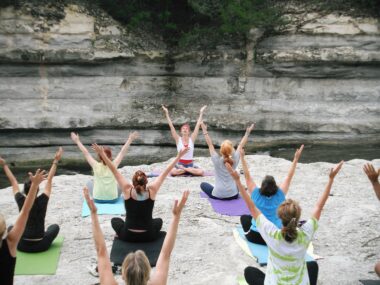
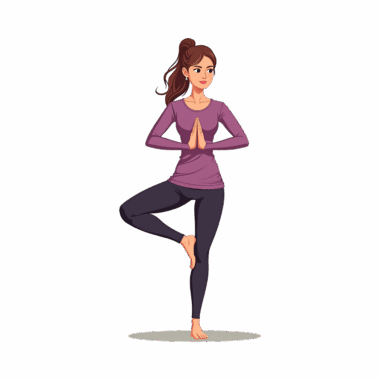
To further enhance flexibility, consider participating in dance, martial arts, or other physical activities that promote movement. Activities like yoga and Pilates are excellent choices, providing structured classes emphasizing both flexibility and posture. Yoga helps create awareness in your body while lengthening muscles through various poses, such as downward dog and child’s pose. These techniques teach you how to stretch safely, promoting flexibility and alignment. Similarly, Pilates focuses on core strengthening, which is crucial for maintaining an upright posture. If you’re new to such practices, various online resources can help you find classes tailored to all skill levels. Joining a local class can aid in motivating you and creating camaraderie among fellow practitioners. Don’t be afraid to make modifications that suit your flexibility level and fitness. Consistent engagement in these activities will lead to gradual improvement over time. Remember, becoming more flexible is a journey that unfolds as you commit to regular practice and listen to your body’s needs. As you explore these techniques, aim to find enjoyment in the process of enhancing your flexibility and posture.
Conclusion: Creating a Flexible Work Environment
In conclusion, promoting posture and flexibility is essential for desk workers to enhance both comfort and productivity in the workspace. By making small adjustments to your environment and incorporating regular movement, you can significantly reduce the risk of discomfort and long-term issues. Ergonomic setups play a crucial role in minimizing strain, while consistent stretching can effectively combat the negative effects of sitting. Ultimately, integrating mindfulness practices enhances our awareness and promotes not only physical health but also emotional well-being. Create a structured plan for including stretch breaks, and consider exploring activities that engage both the body and mind as they foster overall flexibility. Support from employers or collaboration with coworkers enhances motivation, making it easier to maintain these gains. An open dialogue about health and flexibility in the workplace creates a supportive culture for everyone. Embrace this new approach to work-life balance, and prioritize flexibility and posture as integral parts of your daily routine. Remember, your journey to better posture and flexibility is a personal one, and consistency will yield transformative results over time.