
Understanding the Connection Between Posture and Mobility
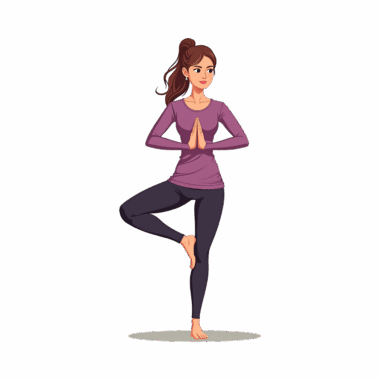
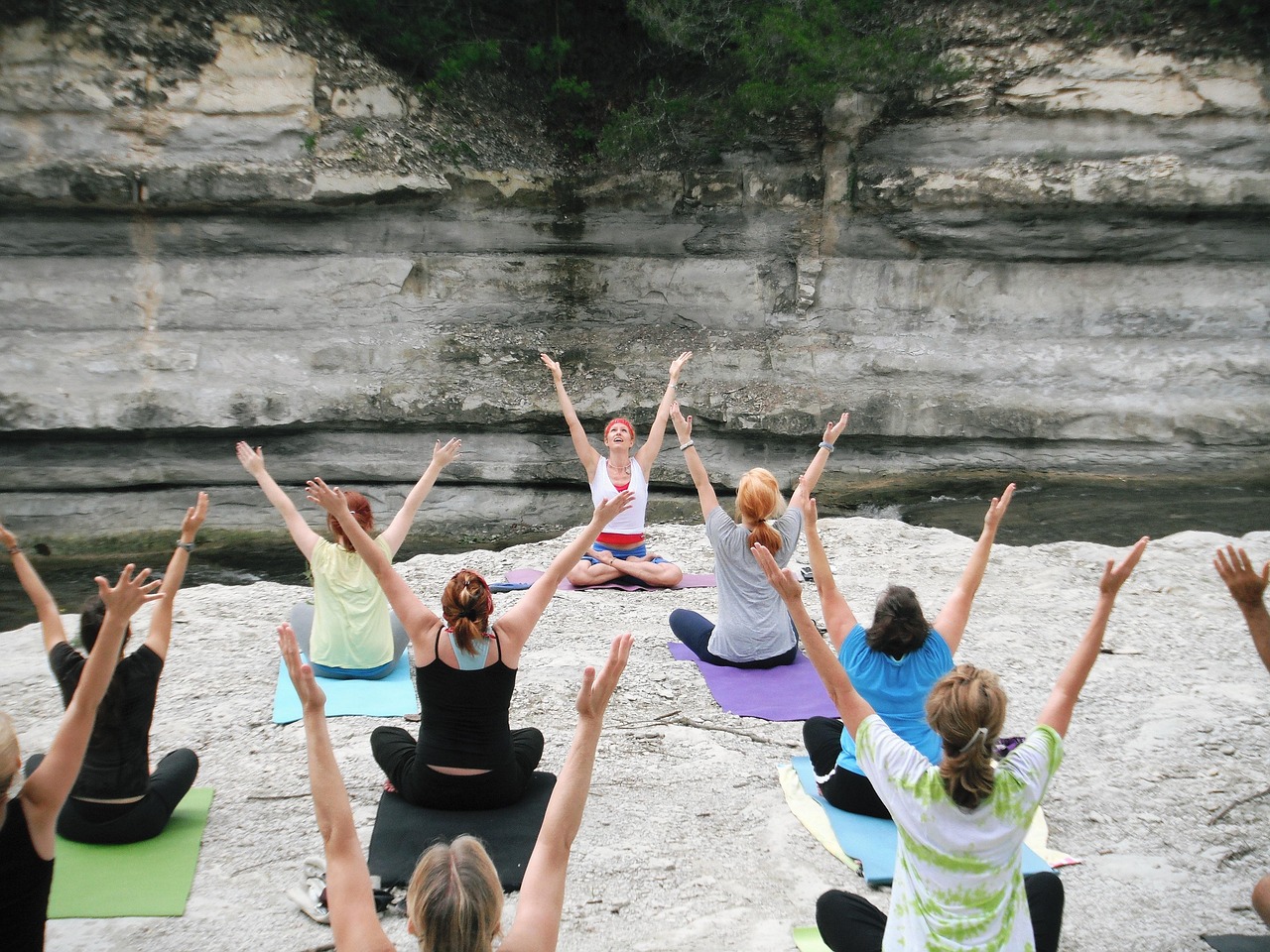
Posture and mobility are intrinsically linked elements of physical fitness. Understanding their relationship can enhance overall well-being and athletic performance. Proper posture allows the body to maintain alignment, reducing strain on muscles and joints. This alignment is vital for optimal movement efficiency. When posture is compromised, it can lead to decreased mobility over time. Addressing tend to overlook the significance of flexibility in managing posture. Flexibility is essential for maintaining the range of motion. Without it, movement patterns become compensatory, leading to muscular imbalances. Should you wish to improve both aspects, consider adding daily stretching routines. Incorporate yoga or pilates into your regimen for enhanced flexibility and core strength. As your flexibility improves, so too does your posture, allowing for more dynamic and agile movements. In contrast, poor posture leads to tightness in specific muscle groups, creating pain and discomfort. This situation often results in reduced physical activity, further decreasing mobility. Addressing these issues can significantly improve one’s quality of life. Therefore, it is important to prioritize these areas for better long-term health. Engaging in strength training can also complement your efforts to maintain posture and flexibility.
Incorporating a holistic approach to fitness becomes essential when seeking to enhance both posture and mobility. A comprehensive program includes strength training, stretching, balance exercises, and aerobic conditioning. Each element plays a unique role, contributing to overall physical functionality. Strength training supports muscular balance, ensuring that muscles are both strong and flexible. As muscles strengthen, they help maintain proper postural alignment under various conditions. Stretching, on the other hand, increases flexibility, allowing joints to move freely through their intended ranges of motion. This combination prevents stiffness which may develop from prolonged periods of inactivity. Balance exercises improve stability, reducing the risk of falls, especially in older adults. Additionally, walking, swimming, and cycling support cardiovascular health, enhancing your endurance for everyday activities. To make progress, consistency is key; set specific, measurable, attainable goals. As your journey continues, take time to assess and adapt your regimen. Monitoring your posture during daily activities becomes vital. Whenever possible, take active breaks to adjust your alignment and stretch. Furthermore, investing in ergonomic furniture can promote better posture in the workplace, allowing for healthier lifestyle changes. By embracing these practices, one cultivates a more mobile and well-aligned body.
The Role of Muscles and Joints
The relationship between muscles and joints is crucial for understanding mobility and posture. Muscles control movement, and their flexibility affects how joints function. Tight muscles can pull joints out of alignment, affecting posture negatively. This misalignment places additional stress on the body during daily activities, leading to pain and discomfort. To counter this, focusing on maintaining muscle elasticity is important, enabling joints to move freely. Stretching and mobility exercises should be integrated into any fitness regime. Furthermore, specific muscle groups play pivotal roles in supporting posture. The core muscles, including the abdominal and back muscles, provide essential support for the spine. When these muscles are weak, it can result in poor posture. Enhancing core strength involves various physical exercises. For example, planks, side bends, and bridges are effective choices that strengthen the abdominal area. Additionally, incorporating resistance training improves overall functionality and posture. Properly functioning joints allow for improved movement patterns, enhancing mobility. It is essential to pay attention to the feedback from your body. This means improving awareness of postural habits and making necessary changes. Thus, awareness is vital for ensuring lasting improvements.
Maintaining flexibility and mobility is important, especially as we age. Over time, our bodies naturally lose flexibility and mobility, which can limit range of motion and increase pain. Integrating regular movement into routines is essential for countering these effects. Aim for at least thirty minutes of moderate-intensity physical activity most days, promoting improved flexibility and mobility. A dedication to maintaining an active lifestyle will clear the way for ongoing physical wellness. Moreover, regular activity fosters social connections, which can contribute positively to mental well-being. Sports, dance, group fitness classes, or simply walking with friends are ways to remain engaged while staying active. Important for creating a supportive community is finding fun and enjoyable activities. Once achieved, it becomes easier to adhere to routines. Prioritize tasks that feel good physically and mentally, for motivation and consistency increase. Additionally, dedicate time to listen to your body. Observing how particular movements feel can direct your focus on necessary improvements. Lastly, remember to celebrate progress, big or small. Tracking improvements through journaling helps reinforce goals and enhances motivation. Celebrate every milestone on this journey toward improved posture and mobility.
Benefits of Good Posture
Good posture plays a significant role in multiple aspects of health, including physical, mental, and emotional well-being. Proper alignment of the body can enhance breathing, digestion, and circulation, positively impacting overall health. When the spine is aligned, the body can distribute weight evenly, reducing stress on muscles and joints. Improved circulation results in better nutrient delivery and waste removal, further contributing to bodily functions. Moreover, excellent posture can enhance self-esteem and confidence. Standing tall can lead to a more assertive presence in social situations, making a lasting impression. Studies have shown that maintaining an open and upright posture can even influence mood, reducing feelings of stress and anxiety. Additionally, adopting good posture decreases the incidence of musculoskeletal issues, like back and neck pain. With a solid foundation in posture, physical activities become easier and more accessible. As a result, this enhances mobility, making everyday tasks less challenging and less painful. Maintaining a focus on posture encourages ongoing self-awareness, allowing for adjustments in real time. Simple reminders about proper alignment throughout the day can create lasting habits. Being mindful of posture becomes essential for enhancing overall longevity and quality of life.
Ultimately, achieving flexibility and mobility is a lifelong journey that involves various strategies. Diversifying your routine ensures that different muscle groups are engaged, promoting better mobility and posture. Consistency is paramount; establishing a schedule that incorporates multiple exercise modalities becomes vital for creating lasting change. Seek guidance from fitness professionals or physical therapists who can identify your unique needs. Personalized recommendations enhance the effectiveness of your training program, ensuring it is aligned with your goals. Additionally, when integrating flexibility exercises, consider experimenting with different modalities. Techniques like dynamic stretching, static stretching, and foam rolling each offer their own benefits. Likewise, addressing underlying issues like muscle imbalances can significantly enhance performance. Carrying out regular assessments allows for evaluating progress and making necessary adjustments along the way. Don’t hesitate to embrace new activities that scale your interest and ability level. For example, trying dance classes or martial arts can enhance both flexibility and mobility while keeping things fun. As your journey continues, be patient and compassionate with yourself. Celebrate every achievement and recognize that improvements may come gradually. Staying committed to enhancing flexibility and mobility will yield long-term benefits for health and well-being.
Conclusion on Posture and Mobility
In conclusion, the relationship between posture and mobility is undeniable, significantly impacting overall health. Prioritizing good posture leads to enhanced mobility, reducing the risk of pain and injury. By actively working to improve both aspects, individuals can foster a higher quality of life. Incorporating strategies such as regular exercise, strength training, flexibility routines, and movement awareness plays a crucial role in this process. Each element complements and supports the others; when combined, they promote body longevity. Additionally, addressing ergonomics both at home and work can contribute to improved posture. With the rise of remote work, it becomes essential to create an environment conducive to maintaining proper alignment. Investing in suitable office furniture and regularly changing positions can mitigate negative effects from prolonged sitting. Furthermore, never underestimate the importance of rest and recovery. Adequate recovery fosters muscle repair, flexibility, and mobility improvements. In the end, nurturing a balanced approach to health can pay dividends throughout life. Therefore, continuously evaluate and adjust routines, seeking progress rather than perfection. By recognizing the intrinsic link between posture and mobility, you’re equipped on a path toward holistic health.
Incorporating a holistic approach to fitness becomes essential when seeking to enhance both posture and mobility. A comprehensive program includes strength training, stretching, balance exercises, and aerobic conditioning. Each element plays a unique role, contributing to overall physical functionality. Strength training supports muscular balance, ensuring that muscles are both strong and flexible. As muscles strengthen, they help maintain proper postural alignment under various conditions. Stretching, on the other hand, increases flexibility, allowing joints to move freely through their intended ranges of motion. This combination prevents stiffness which may develop from prolonged periods of inactivity. Balance exercises improve stability, reducing the risk of falls, especially in older adults. Additionally, walking, swimming, and cycling support cardiovascular health, enhancing your endurance for everyday activities. To make progress, consistency is key; set specific, measurable, attainable goals. As your journey continues, take time to assess and adapt your regimen. Monitoring your posture during daily activities becomes vital. Whenever possible, take active breaks to adjust your alignment and stretch. Furthermore, investing in ergonomic furniture can promote better posture in the workplace, allowing for healthier lifestyle changes. By embracing these practices, one cultivates a more mobile and well-aligned body.