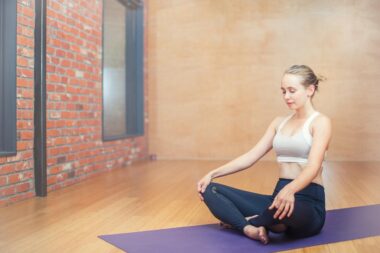

Yoga Breathing (Pranayama): An Introduction
Yoga is not just about physical poses; it encompasses comprehensive breathing techniques, known as Pranayama, which play a vital role in achieving overall wellbeing. Pranayama, derived from Sanskrit, means the regulation of breath, which links our mental and physical states. Proper breathing helps to cultivate awareness and control over one’s mind and body. For many practitioners, mastering the techniques of Pranayama is essential to deepen their yoga practice. The various methods of breathing not only relax the body but also serve as tools for emotional balance. By learning to breathe effectively, individuals can enhance their meditation experience and spiritual growth. As you explore the world of yoga, you will discover the profound impact that breathwork can have on enhancing your practice. Pranayama is believed to purify the energy pathways in the body, promoting a sense of vitality and clarity. Even though the practice is often taught within yoga classes, its benefits extend to daily life. Understanding and practicing these breathing techniques can transform your outlook and well-being, making you feel refreshed and revitalized throughout your day.
The practice of Pranayama involves various techniques that can significantly improve respiratory health. These methods can enhance lung capacity and increase oxygen intake, leading to better physical performance and mental clarity. Among the techniques, diaphragmatic breathing is fundamental—it engages the diaphragm more fully, promoting a deeper and more efficient breath. Other techniques, such as Nadi Shodhana (alternate nostril breathing), balance both hemispheres of the brain, fostering emotional stability and mental tranquility. Similarly, Kapalabhati, often referred to as ‘skull shining breath’, invigorates the mind and body with energizing benefits. While practicing these techniques, it’s crucial also to maintain a calm environment, which will help in acknowledging and controlling the thoughts that can often distract us. Furthermore, regular practice not only calms the mind but also aids in improving focus and concentration levels in various aspects of life. As such, these techniques are not only beneficial for yoga practitioners but for anyone looking to alleviate everyday stress. As with all practices, consistency is key; integrating regular breathwork into your routine will yield profound and lasting changes in your life.
Why Pranayama Matters
The importance of Pranayama in yoga cannot be overstated, as it forms the backbone of a holistic practice aiming for physical and spiritual enhancement. By controlling the breath, practitioners learn to cultivate a sense of presence, opening up pathways to deeper meditation. This technique enhances the flow of prana, or life force energy, facilitating inner peace and enhancing spiritual experiences. Furthermore, Pranayama assists in managing stress and anxiety through the activation of the parasympathetic nervous system, promoting relaxation. Many people find that by incorporating breath control into their daily meditation or yoga sessions, they gain a greater understanding of their emotional responses. In addition, these breathing techniques help in efficiently releasing toxins from the body, aiding in physical cleansing. Aided by focused attention on breath, practitioners can experience a shift in emotional and mental states toward positivity. As various breathing methods release pent-up emotions and promote clarity, they can provide the necessary tools for growth. Understanding this connection can significantly deepen one’s overall yoga practice and enhance daily life.
In introducing Pranayama to beginners, it’s essential to start with the basics before exploring more advanced techniques. Simple exercises such as inhaling deeply through the nose and exhaling through the mouth can significantly impact awareness. Practitioners should also learn to sync their breath with movements, creating a rhythm that can help focus attention and intensity during yoga sessions. A great starting point is simply to observe your breath patterns; this mindfulness fosters a deeper connection with the body and mind. Eventually, progressing to techniques like Ujjayi (victorious breath) helps practitioners develop control, aiding during difficult poses. Listening to one’s body and breathing is vital; forcing breath can lead to discomfort. Gradually integrating Pranayama into a regular routine can lead to improved physical health and mental poise. Creating a tranquil environment, free from distractions, allows dedicated practice. As focus on breath increases, individuals might find their natural rhythms, unlocking deeper meditation. Practicing with an open heart and mind accelerates the journey toward internal transformation.
Integrating Breathing Techniques
To effectively integrate Pranayama into daily routines, consider designing specific times dedicated solely to breathwork. Practitioners may find benefit in merging short breath sessions with other activities such as meditation or mindfulness exercises. For instance, during breaks at work, taking a few moments to focus on your breath can reduce stress and enhance productivity, allowing for a quick reset. Many find that practicing in the morning sets a positive tone for the day; this simple addition fosters mental clarity and emotional stability. Additionally, nighttime breath exercises can help wind down the mind and body, creating a peaceful transition from day to night. Engaging with apps or online tutorials can guide beginners through new breathing techniques, enriching their practice and understanding of Pranayama. Sharing this experience in a group setting, such as yoga classes, can also create a supportive environment, enhancing motivation and accountability. As practitioners become more confident, they might want to explore advanced techniques, deepening their overall experience in yoga and life.
Many people often underestimate the power of breath; cultivating a deep understanding of Pranayama reveals its significance beyond yoga studios. Scientific research supports numerous benefits of breath control, with evidence showing significant reductions in anxiety and stress levels among practitioners. The rhythmic nature of breathing can also stabilize heart rate and assist with digestion, reinforcing why these techniques are essential for holistic health. As practitioners delve deeper, many may notice improvements in sleeping patterns and overall mood. Learning to focus on breath facilitates a shift from default autopilot modes of thinking—allowing a more conscious interaction with surroundings. Over time, incorporate reflective practices, like journaling or discussion groups, to explore the personal effects of breathwork. Connecting with others experiencing similar journeys can understand their collective benefits and share insights. Commitment to consistent practice fosters a profound sense of self-awareness and inner peace. Empowered by the knowledge of their breathing abilities, individuals can carry these tools into everyday life, using them whenever faced with stress, promoting a calmer, more balanced perspective.
Final Thoughts on Pranayama
The exploration of Pranayama offers invaluable lessons on the interconnectedness of breath, mind, and body. As you embark on this journey, remember that consistency and patience are vital in honing your skills. While each breathing technique serves a specific purpose, their cumulative effect can significantly enhance one’s physical and mental resilience. By engaging in breathwork alongside physical practice, individuals cultivate deeper awareness of their emotional processes, fostering introspection. Practicing Pranayama not only aids in achieving greater mindfulness but also imbues daily living with awareness. This journey is uniquely personal, inviting practitioners to explore their own therapeutic processes at their own pace. As progress unfolds, you may find unexpected strengths and insights that breathe life into your everyday. As with yoga, this path calls for discipline and regularity, ultimately leading to transformations that extend beyond the mat. Embrace the learning of breath; identify what resonates with you, and use these tools to cultivate a life of peace. Ultimately, mastering Pranayama is a powerful step toward achieving a more balanced, fulfilling life.
In summary, Pranayama holds profound significance in enhancing one’s yoga practice and overall life experience. The breath serves as a bridge connecting our physical essence with our mental landscape, enriching daily living with calm and focus. By exploring various techniques, individuals learn how to activate their internal resources and achieve greater emotional balance. As you progress and grow through various methods, remember that everyone’s journey is different. Progress is not solely measured in physical improvements but in newfound awareness and emotional insights. Regardless of where you begin in your breathing journey, the effort put into mastering these techniques is worthwhile. The opportunities for personal transformation are boundless, and thus, an open mind and heart can lead to unexpected revelations. As Pranayama integrates more into everyday practice, practitioners often discover new strengths, enhancing overall health and wellness. By nurturing the connection between breath and awareness, individuals step closer to creating a harmonious life experience. In embracing healing practices, you unlock possibilities for growth and expansion beyond the mat and into the world.