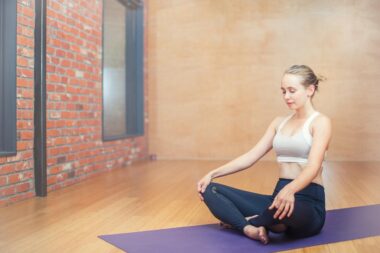

The Role of Flexibility in Yoga and How to Improve It
Flexibility is a cornerstone of a successful yoga practice. It is essential for improving the range of motion in joints, reducing the risk of injury, and enhancing overall physical performance. With a consistent yoga regimen, practitioners can gradually enhance their flexibility, which can lead to increased strength and stability. The key is understanding that flexibility is more than just a physical attribute; it involves mental openness to the body’s capabilities and limits. As you work on poses that stretch various muscle groups, it’s important to remember that everyone’s body is unique. This uniqueness will be reflected in flexibility levels. Achieving greater flexibility can also feel extremely rewarding, as it often allows individuals to perform more complex poses with ease and grace. In many yoga classes, stretching and flexibility training are integrated into the flow. Practicing specific stretches regularly helps to develop connective tissues, including tendons and ligaments. Ultimately, improving flexibility isn’t a race; progress can vary greatly among practitioners. But the journey—both physical and mental—can be incredibly fulfilling and transformative, leading to a deeper understanding of oneself.
To enhance flexibility in your yoga practice, consider incorporating a variety of techniques. These methods include dynamic stretches, static stretches, and holding poses for longer durations. Additionally, using props such as resistance bands or blocks can offer support while challenging your body. Dynamic stretches may involve moving your body through a range of motions, warming up the muscles and preparing them for deeper stretches ahead. Static stretches, on the other hand, involve holding a position for an extended period, allowing for deeper muscle engagement. It’s crucial to listen to your body during these exercises and avoid pushing beyond your limits. Flexibility often takes time to develop, so patience is essential. Practicing yoga in a warm environment can also enhance flexibility by allowing muscles to relax more easily. Moreover, proper hydration contributes to better muscle elasticity, which can impede flexibility when not maintained. Another suggestion for improving flexibility is incorporating mindfulness into your practice. Focus on your breathing, especially as you enter and sustain poses, as this can deepen relaxation and help with physical and mental limitations.
Consistent Practice and Mindfulness
Consistency is critical for achieving improvements in flexibility through yoga. Committing to a daily or regular practice can yield significant results over time. Regular sessions encourage the body to adapt and stretch more easily. Additionally, when practicing, it’s important to maintain a mindset open to progress. Yoga is not only about physical poses but also involves mental resilience and self-acceptance. Embracing where you are physically can speed up the process of becoming more flexible. The interplay between persistence and acceptance can merge to create a balanced approach to enjoying yoga. Tracking your progress can be beneficial. It allows you to recognize subtle improvements in your flexibility, keeping you motivated. Documenting your journey in a journal helps in setting realistic goals and gives insights into what works best for your body. Engaging with a yoga instructor can also provide personalized feedback. An instructor may offer modifications to ensure you’re maximizing your efforts safely. Community classes create an environment of shared learning; engaging with others can also boost motivation. Empowering yourself is essential, as it fosters a determined mindset focused on flexibility improvement.
Flexibility is also closely linked with mindfulness—being fully present in each stretch allows you to connect deeper with your body. Incorporating breath awareness into your practice can significantly improve both flexibility and relaxation. Techniques like Ujjayi breathing can help enhance focus, improving your ability to maintain poses longer. Mindful breathing not only supports physical stretching but also calms the mind, allowing for a more profound experience. Another beneficial aspect to consider is the role of diet in enhancing flexibility. Consuming a balanced diet rich in essential nutrients aids muscle recovery and joint lubrication, which are crucial in achieving better flexibility. Healthy fats found in foods like avocados or nuts can contribute to joint mobility. Additionally, staying hydrated is important as well-hydrated muscles perform better and resist injury. Consider adding anti-inflammatory foods such as turmeric to your meals. Regular physical activity outside your yoga practice further contributes to overall flexibility. Activities such as swimming or dancing can enhance your body’s functioning and promote relaxation, thus fostering a conducive environment for increased flexibility within your yoga routine.
Exploring Different Yoga Styles
Various styles of yoga focus on different aspects of flexibility. Hatha yoga often emphasizes balance, gentle movements, and foundational poses, making it an excellent choice for beginners working on flexibility. Ashtanga and Vinyasa styles promote flowing sequences that link movement with breath, often resulting in enhanced flexibility through dynamic sequences. Bikram yoga, practiced in heated rooms, encourages deeper stretching due to increased muscle warmth. It is essential to explore various styles to determine what best suits your body and flexibility goals. Each style can contribute uniquely to your practice, adding diversity and challenge. Moreover, understanding the philosophy of these styles can enhance your commitment. Engaging in workshops or retreat programs focused on specific styles can deepen both your understanding and practical skills in enhancing flexibility. Combining various practices can create a more rounded routine that effectively targets flexibility. No matter your choice of style, remember that flexibility improvements come with time and dedication. Incorporating supplementary stretches outside of your yoga sessions and committing to a balanced routine will ultimately yield lasting results.
As you develop your yoga practice, it is equally essential to be aware of any limitations or past injuries. Listening to your body is paramount in ensuring flexibility is achieved safely. Overstretching can lead to injuries and set back your progress. As you embark on enhancing your flexibility, consider consulting with a healthcare professional or an experienced yoga instructor if you have any concerns. A tailored approach can make a difference in understanding your body’s boundaries while focusing on improvement. In addition, regularly incorporating relaxation techniques such as deep breathing and meditation can complement your flexibility training. Reducing stress through these practices often leads to better muscle relaxation, which can improve flexibility. Also, consider exploring therapeutic practices such as massage or foam rolling to help ease muscle tension. These methods can positively influence how the body responds during your yoga sessions. Lasting flexibility improvements are rooted in patience, awareness, and the willingness to adapt your approach based on body feedback. Celebrate your milestones, however small, to maintain motivation and sustain your practice long-term. Yoga offers a rewarding journey toward greater flexibility and self-discovery.
The Transformational Journey of Flexibility
Ultimately, improving flexibility through yoga is a transformational journey. It is about more than just achieving the perfect pose; it encompasses physical health, emotional resilience, and spiritual growth. Through this practice, you’ll discover how flexibility can permeate all aspects of life—mentally, emotionally, and physically. This newfound flexibility may serve as a metaphor for adaptability in life. Embracing change and flow can help cultivate joy and acceptance in daily circumstances. This expansion can also enhance overall well-being, creating a strong foundation for a fulfilling yoga practice. Building flexibility takes time, patience, and dedication. Celebrate your body’s capabilities at every stage of progress, no matter how small they seem. As you advance, remember the connections between yoga, flexibility, and mindfulness. These three elements interweave into a deeper practice that transcends physical boundaries. Engage with a community that motivates and inspires you, elevating your practice. Flexibility enhances both mind and body. What starts as a physical challenge can evolve into profound life changes. Reflect on your journey regularly, keeping in mind that every step counts. Embrace the transformation yoga offers, becoming more present in every moment.
In conclusion, incorporating flexibility work into your yoga routine is not merely about achieving physical goals. Instead, it represents a holistic approach to wellness, nurturing both body and mind. The consistent practice of yoga opens doors to both physical and emotional flexibility, creating a more balanced life. With dedication and a compassionate understanding of your limits, you can build a sustainable flexibility practice that enriches your overall well-being. Share your journey with others in the yoga community to inspire and motivate forthcoming practitioners. Remember, every person’s journey looks unique, so respect your own process. Improvement is a gradual process and should be approached with kindness toward oneself. Embracing both the challenges and achievements can create a more enriching yoga experience. In exploring different styles, guiding principles, and techniques, you can create a flexible practice that resonates with your personal needs and aspirations. Always keep in mind the transformative power of yoga. Use this flexibility journey not just as a means to stretch your body, but also as a pathway towards deeper self-discovery and personal growth. Welcome and honor the growth that yoga provides, knowing every moment counts towards your journey.