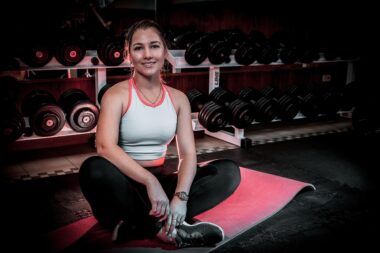

Postural Strategies to Improve Agility and Coordination in Sports
Agility and coordination are essential components of athletic performance that can be influenced significantly by posture. By understanding the relationship between posture and body mechanics, athletes can enhance their overall agility. Implementing effective postural strategies not only helps in achieving better balance but also minimizes the risk of injury. This article explores various methods that athletes can use to develop a strong foundation for improved movement efficiency. The alignment of the body plays a pivotal role in how quickly and effectively an athlete can react during competition. A well-aligned body, with optimal posture, enables athletes to execute movements with precision and speed. Athletes should focus on developing a stable core through exercises such as planks and deadlifts. Strengthening the core helps maintain correct posture, further contributing to improved agility. Moreover, regular postural assessments can identify weaknesses and imbalances, leading to personalized training regimens. Ultimately, being proactive about posture can create a solid base, enhancing performance. In addition to these strategies, incorporating flexibility and mobility training is crucial in developing superb operational capabilities. Combining all these practices will yield beneficial results for aspiring athletes.
A comprehensive evaluation of postural alignment is essential for athletes who seek to enhance their agility and coordination. This evaluation helps identify specific areas of concern that may be hindering performance. Effective postural assessment includes analyzing the spine, pelvis, and lower limbs’ positioning. Spotting any imbalances can lead to targeted interventions designed to facilitate improvement. Athletes can benefit from various tools such as video analysis or motion capture technology. Such resources allow for a detailed view of an athlete’s movement patterns. After identifying potential issues, athletes can adopt corrective strategies aimed at realigning their body segments. One such strategy focuses on core strength and stability. Exercises like bridges and rotational movements will enhance core muscles, thereby influencing postural alignment positively. Additionally, integrating agility drills into training can aid in developing coordination skills. Athletes can practice lateral hops, ladder drills, and cone drills to improve responsiveness. While technical skills are essential, ensuring proper form during these drills amplifies the benefits. Consistent practice coupled with regular postural assessments will lead to progressive enhancement in agility and coordination among athletes striving for excellence.
The Role of Strength Training
Strength training significantly contributes to improving overall postural alignment, which is crucial for agility and coordination. Engaging in resistance training promotes muscle balance and joint stability, minimizing the risk of postural dysfunction during physical activities. Athletes often overlook the importance of addressing muscular imbalances, which can greatly affect their performance levels. When muscles are evenly strengthened, athletes can maintain ideal postural alignment throughout various sports movements. Additionally, specific strength training exercises, such as squats, lunges, and shoulder presses, can target the key muscle groups that contribute to better posture. Strengthening the muscles supporting the spine can facilitate improved balance and stability during dynamic movements. Another key aspect of strength training involves integrating functional exercises that mimic sport-specific actions. For instance, athletes can engage in multi-joint exercises, enhancing neuromuscular coordination. Proper training techniques play a vital role in achieving desired outcomes, highlighting the necessity of professional guidance. Working with a knowledgeable trainer can optimize resistance training routines. Ultimately, adequate strength training improves posture and enhances an athlete’s ability to perform complex movements efficiently, facilitating better agility and coordination across all sports.
Flexibility training also plays a significant role in enhancing agility and coordination through improved posture. Athletes must prioritize stretching and mobility exercises to achieve a full range of motion in their joints and muscles. Tight muscles can restrict movement patterns, potentially compromising performance and leading to injuries. Consequently, incorporating regular flexibility routines within the training regimen is essential. By enhancing flexibility, athletes can maintain better postural alignment while executing various techniques. Moreover, differentiating between dynamic and static stretching can lead to more effective results. Dynamic stretching, performed before workouts, prepares the muscles and joints for activity. This enhances blood flow to the muscles, making them more compliant during movement. Static stretching, performed post-training, helps to maintain and improve overall flexibility. Athletes should focus on major muscle groups often used in their respective sports. For example, runners will benefit from stretching their hip flexors, hamstrings, and calves. Likewise, swimmers can prioritize stretching their shoulders and back. Ensuring a well-rounded flexibility program maximizes an athlete’s performance potential, directly impacting effective posture and leading to improved agility and coordination overall in sports performance.
Neuromuscular Control and Coordination
Neuromuscular control is paramount when discussing agility and coordination enhancements through postural strategies. This control refers to the brain’s ability to coordinate muscular responses to different spatiotemporal demands. Athletes with heightened neuromuscular coordination experience greater agility due to their body awareness and control during sports activities. Incorporating exercises that target proprioception helps athletically inclined individuals realize their body position in space, greatly impacting performance levels. Athletes can include balance exercises like single-leg stands and stability ball workouts to enhance neuromuscular control. Additionally, implementing agility-focused drills like shuttle runs or figure-eight patterns promotes quick adjustments in movement. Benefits of neuromuscular training extend beyond agility; superior coordination translates to fewer injuries through improved postural stability. The body learns to navigate physical challenges more effectively, leading to refined motor skills. To achieve optimal neuromuscular control, athletes should focus on progressive overload, gradually increasing training difficulty. Working with a coach specializing in neuromuscular training can streamline the learning process. Therefore, through understanding neuromuscular principles and consistently integrating relevant exercises, athletes can expect substantial improvements in their agility and overall performance in sports.
Monitoring progress through regular assessments is vital for athletes following postural strategies to enhance agility and coordination. Tracking improvements can serve as motivation, guiding athletes on their journey towards performance goals. By establishing measurable benchmarks, athletes gain insights into their training progress and make necessary adjustments. Assessments might include performance tests such as timed agility runs, vertical jumps, or balance tests. Having quantifiable data enables athletes to ascertain whether their interventions yield tangible results. Additionally, taking note of the feedback is crucial to understanding one’s body and responding accordingly. Paying heed to any discomfort can signal underlying postural issues. Moreover, seeking guidance from sports professionals aids in refining training programs and exercises tailored to specific needs. Engaging in group assessments can foster a sense of community among athletes, creating a support system for ongoing motivation. To enhance accountability, consider sharing progress with coaches or training partners. Regular evaluations help maintain focus and ensure goals align with overall athletic performance aspirations. By prioritizing comprehensive assessments, athletes can achieve continuous enhancements in agility and coordination through informed postural strategies.
Conclusion: The Path to Improved Sports Performance
In conclusion, enhancing agility and coordination through effective postural strategies is essential for athletes looking to maximize their performance. Understanding the significance of posture directly influences an athlete’s ability to perform optimally. Implementing a well-rounded training program that includes strength, flexibility, and neuromuscular exercises will lay the groundwork for peak athletic performance. Regular assessments and the monitoring of progress are fundamental for achieving continuous improvement. Athletes must also remain cognizant of the importance of maintaining proper form during training and competitive events. With dedication and commitment to these strategies, athletes can achieve the agility and coordination necessary for excelling in their sports. In addition, collaborating with knowledgeable trainers or coaches can provide guidance on correct techniques and individualized training programs. As athletes engage in this comprehensive approach, they can expect to see significant enhancements in their sports performance. In a competitive environment, even marginal gains can produce substantial rewards. Therefore, by embracing postural strategies to improve agility and coordination, athletes are positioned for success in their pursuit of excellence. Ultimately, a strong commitment to these principles leads to transformative progress within athletic disciplines.
In conclusion, enhancing agility and coordination through effective postural strategies is essential for athletes looking to maximize their performance. Understanding the significance of posture directly influences an athlete’s ability to perform optimally. Implementing a well-rounded training program that includes strength, flexibility, and neuromuscular exercises will lay the groundwork for peak athletic performance. Regular assessments and the monitoring of progress are fundamental for achieving continuous improvement. Athletes must also remain cognizant of the importance of maintaining proper form during training and competitive events. With dedication and commitment to these strategies, athletes can achieve the agility and coordination necessary for excelling in their sports. In addition, collaborating with knowledgeable trainers or coaches can provide guidance on correct techniques and individualized training programs. As athletes engage in this comprehensive approach, they can expect to see significant enhancements in their sports performance. In a competitive environment, even marginal gains can produce substantial rewards. Therefore, by embracing postural strategies to improve agility and coordination, athletes are positioned for success in their pursuit of excellence. Ultimately, a strong commitment to these principles leads to transformative progress within athletic disciplines.