
Combining Smart Rehabilitation Devices with Mobile Fitness Apps
The integration of smart rehabilitation devices and mobile fitness apps is revolutionizing how we approach recovery and physical therapy. These innovative technologies work hand in hand to enhance the effectiveness of rehabilitation programs, making them more accessible and user-friendly. Smart devices can track patients’ progress through various metrics, such as range of motion and strength, while mobile apps deliver personalized training protocols and motivational support. This synergy allows individuals to actively engage in their recovery process, resulting in improved outcomes. Users can monitor their performance in real-time, enabling them to make adjustments based on immediate feedback. Moreover, mobile apps connected to smart rehabilitation devices often include interactive features, such as video demonstrations and progress visualization, to encourage adherence to prescribed exercises. As a result, patients are less likely to miss sessions and are encouraged to push themselves further. With seamless data synchronization, healthcare professionals can analyze trends and modify treatment plans accordingly, leading to optimized rehabilitation strategies. The future of rehabilitation looks bright, with technology paving the way for more effective and efficient recovery experiences for patients everywhere. This trend is particularly vital in an increasingly digital world.
One of the significant benefits of combining smart rehabilitation devices with mobile fitness apps is the personalization of recovery programs. Each patient has unique needs and goals that can vary widely depending on their particular injuries or conditions. Smart devices often have built-in features that allow them to adapt to the individual’s progress. For instance, if a patient demonstrates improved range of motion, the associated mobile app can suggest progressively challenging exercises tailored to that advancement. This dynamic approach ensures that the rehabilitation process remains both engaging and effective, preventing plateauing often observed in static recovery programs. Additionally, the data collected by these smart devices can enhance communication between patients and healthcare providers. Through the app, therapists can view performance metrics remotely and offer feedback, making adjustments to regimens without necessitating frequent office visits. This real-time interaction streamlines the rehabilitation process and ensures that patients receive timely interventions. The incorporation of gamification elements in mobile apps keeps users motivated. Achievements and rewards for milestones create a fun and engaging experience, further motivating patients to stick to their rehabilitation routines.
Another essential aspect of this integration is the ability to collect and analyze extensive data regarding the patient’s recovery journey. Smart rehabilitation devices capture comprehensive metrics that can indicate the efficacy of different exercises over time. When paired with mobile fitness apps, this data can be easily displayed and interpreted by both patients and healthcare providers. Not only does this facilitate a better understanding of progress, but it also allows clinicians to tailor treatment plans based on precise data rather than generalized protocols. Mobile apps often provide visual graphs that depict performance over days, weeks, or even months, making it clear when patients are improving or struggling. This insight encourages constructive dialogue during therapy sessions, ensuring a more collaborative approach to rehabilitation. Furthermore, the insights gained from cumulative data can also contribute to broader research efforts within the rehabilitation field, enhancing our collective understanding of effective recovery practices. This aspect is particularly crucial when developing evidence-based strategies for diverse patient populations. In an age where data-driven decisions are paramount, such capabilities are invaluable in optimizing rehabilitation practices.
Enhancing Patient Engagement through Connectivity
Connectivity is a game-changer in the world of smart rehabilitation devices and mobile fitness apps. By allowing real-time sharing of performance metrics, patients remain engaged throughout their recovery journey. Patients can stay connected with their healthcare providers through messaging features, providing an avenue for immediate advice when challenges arise. This continuous line of communication keeps patients accountable, as they know their progress is being monitored. Moreover, mobile fitness apps often incorporate social features, enabling users to connect with fellow patients experiencing similar challenges. This community support can provide additional motivation and encouragement, creating a shared sense of purpose among users. Many apps now offer forums or group chats where users can share stories, successes, and tips for overcoming obstacles. By fostering a supportive environment, these apps encourage a positive mindset towards rehabilitation. Additionally, the social aspect can be beneficial in reducing feelings of isolation that may accompany recovery from an injury or illness. The integration of social features not only enhances patient engagement but also cultivates an atmosphere of collective resilience and support.
Moreover, the aesthetics and usability of mobile apps play a crucial role in patient adherence to rehabilitation protocols. Apps designed with user-friendly interfaces and engaging visuals help simplify the rehabilitation process. Users can easily navigate through different sections, such as exercise libraries and progress tracking. When patients find the app enjoyable and straightforward, they are less likely to abandon their rehabilitation regimen. This design consideration is especially important for older adults who may struggle with complex technology. Furthermore, apps that provide reminders or notifications for scheduled exercises help patients stay consistent, ensuring they do not skip important workouts. These timely alerts serve as nudges, reinforcing the habit of regular exercise. Additionally, incorporating features such as video tutorials for exercises can significantly benefit users. When patients can visually refer to proper form, they are less likely to perform movements incorrectly, enhancing the effectiveness of their rehabilitation. Ultimately, the success of smart rehabilitation devices and mobile apps heavily depends on creating a seamless user experience that prioritizes ease of use and engagement.
The Role in Chronic Conditions and Aging Populations
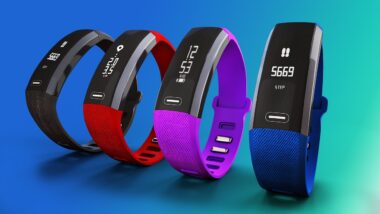
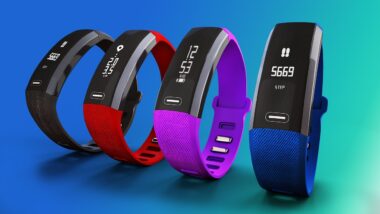
Smart rehabilitation devices paired with mobile fitness apps are vital for managing chronic conditions and assisting aging populations. Many older adults face mobility challenges, often requiring tailored rehabilitation strategies that smart devices can provide. These technologies offer data-driven insights and the capability to monitor health metrics, which can be shared directly with healthcare professionals. Such real-time data fosters proactive health management, enabling early intervention when necessary. For instance, wearable devices can detect falls or sudden changes in bodily functions, alerting caregivers or medical professionals instantly. This instant notification capability can significantly improve safety for individuals recuperating from surgeries or managing chronic illnesses. Furthermore, mobile apps can offer necessary cognitive engagement through exercises tailored to enhance both physical and mental performance. Incorporating mental challenges alongside physical activity ensures holistic rehabilitation plans that address various aspects of well-being. By integrating social elements within these apps, older adults can also participate in group workouts or challenges, combating isolation. Therefore, smart rehabilitation devices joined with mobile apps bridge gaps in care while empowering users to take control of their health.
Future developments in smart rehabilitation devices and mobile fitness apps seem promising. Continued advancements in technology will likely enhance these integrated systems, introducing even more features tailored to individual needs. For instance, further integration of artificial intelligence could deepen personalization, making recommendations more precise based on historical data and real-time analysis. As machine learning technologies improve, the adaptability of exercises and engagement strategies will cater to each user’s response to therapy, making recovery more efficient. Additionally, the potential incorporation of virtual or augmented reality features can make rehabilitation programs more immersive and enjoyable. These technologies could transform standard exercise routines into engaging experiences that encourage movement through an interactive environment. Furthermore, the trend of telehealth services shows no sign of slowing down, making it a crucial component of rehabilitation. Smart devices combined with telehealth capabilities will enable healthcare providers to monitor patients remotely, reducing the need for in-person visits and expanding access to care. Innovating in these directions not only benefits individual recovery journeys but also pushes the entire healthcare system toward an era of enhanced accessibility and efficiency in rehabilitation practices.
Conclusion: A New Era of Rehabilitation
The future of rehabilitation through smart devices and mobile fitness apps marks a new era of accessible, personalized, and effective care. As technology continues to evolve, we can anticipate even greater enhancements in patient engagement and recovery outcomes. With the ability to keep patients motivated and accountable, these tools present an incredible opportunity for individuals confronting various recovery challenges. Combined with the data provided by smart devices, healthcare practitioners can create bespoke rehabilitation plans that cater specifically to patient requirements. The increasing trend of connectivity between patients and healthcare providers through these innovations fosters a collaborative approach to rehabilitation. Additionally, as we embrace these technologies, we must remain aware of the importance of user experience and accessibility. Designing with ease of use and engagement in mind will be pivotal in ensuring widespread adoption among all demographics. Ultimately, the integration of smart rehabilitation devices with mobile fitness apps not only enhances traditional recovery methodologies but also empowers individuals to take charge of their health journeys. This innovative approach signifies a significant advancement in healthcare, promising superior rehabilitation processes and enhanced quality of life for countless patients.