
Injury Prevention Tips for Deadlift Enthusiasts
The deadlift stands as one of the most effective weightlifting exercises, engaging multiple muscle groups simultaneously. However, with great power comes the responsibility of ensuring proper technique to minimize injury risks. Starting with a comprehensive warm-up routine is essential. Incorporating dynamic stretches and relevant mobility exercises can enhance your joint flexibility and muscle readiness before attempting heavy lifts. Focus on hip mobility and hamstring stretches, as they significantly contribute to proper deadlift form. Equally vital is choosing the right footwear. Weightlifting shoes provide support but flat-soled shoes or sneakers can enable better friction and grounding for lifts. Consider your personal comfort and preference but prioritize a firm base. Additionally, hone in on your grip technique and ensure you have a secure hold on the barbell. A mixed grip may help in some cases, but ensure it does not lead to muscle imbalances. Remember that maintaining a neutral spine throughout the lift helps in avoiding back injuries. Misalignment can strain your lower back, particularly when lifting heavier weights. Regular assessments of your form can make a substantial difference in injury prevention.
Another critical factor in deadlift injury prevention is strength consistency. Building a strong core is non-negotiable for optimally performing deadlifts. The core stabilizes your body, allowing for smoother and safer lifts. Incorporate core exercises like planks, bird-dogs, and medicine ball rotations into your training regimen. Also, pay attention to your lower body strength, especially hamstrings and glutes. Weakness in these muscles can contribute to improper lifting technique, leading to injuries. Hence, dedicate some training sessions to isolating these areas with exercises like Romanian deadlifts or glute bridges. Gradually increasing weight and volume is crucial. Sudden jumps in weights can place undue stress on your muscles and joints. Instead, adhere to the principle of progressive overload, where you subtly increase your weights according to your capabilities. Another key element is arranging adequate rest periods. Muscles need time to recover from strenuous efforts. Allow for both active recovery days and complete rest sessions in your training schedule. This recovery aspect is often overlooked but plays a vital role in building resilience and preventing injuries. Remember that listening to your body should guide your overall workout strategy.
Importance of Technique in Deadlifting
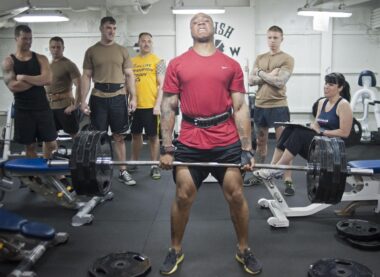
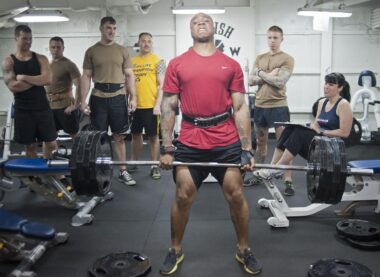
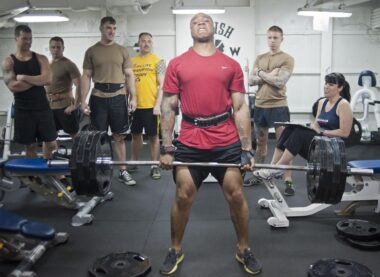
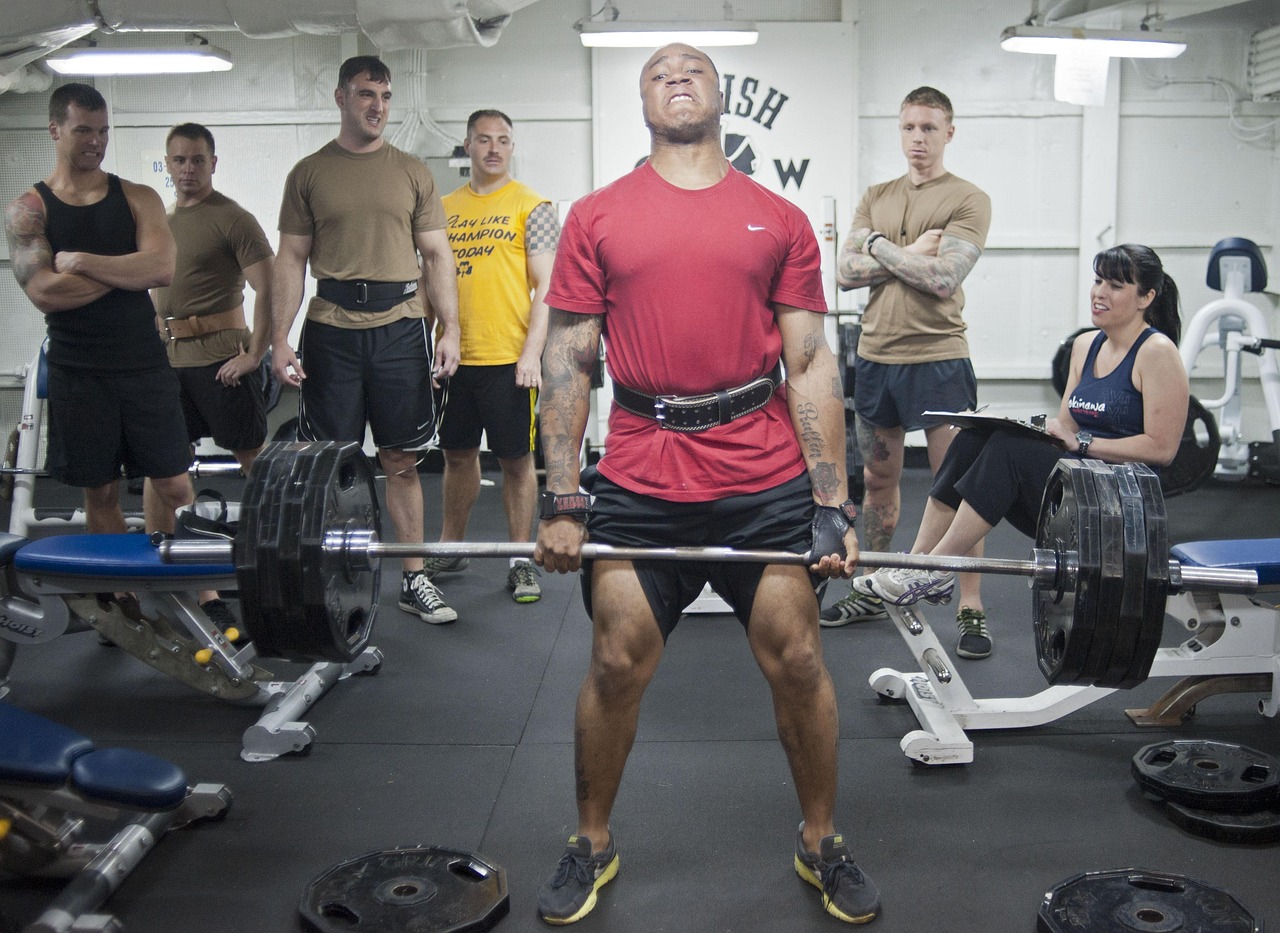
Your lifting technique forms the bedrock of safe and effective deadlifts. With the sheer weight that comes into play, poor technique can cause immense stress not just on your muscles but also on vital ligaments and joints. Start by ensuring that your stance is correct. The barbell should be positioned over the mid-foot, allowing for proper weight distribution during your lift. When gripping the bar, ensure that your hands are shoulder-width apart or slightly wider. While lifting, focus on your shoulder position—this critical alignment affects your back’s angle. Keep your shoulders engaged and slightly in front of the bar, making a point to push through your heels. Maintaining a flat back during the entire lift is paramount. An arched or rounded back can lead to severe injuries over time, particularly in the lumbar region. As you lift, focus on rising, not pulling. This mindset shift can help engage your glutes and hamstrings more effectively. Subsequently, practice the lift slowly, ideally in front of a mirror, to reinforce your technique and make necessary adjustments as you develop.
Rest and recovery are just as important as the actual training for injury prevention. After a strenuous lifting session, ensure that you give your body ample time to recuperate. This period allows your muscles to repair and strengthen, which is essential for future lifting sessions. Consider incorporating foam rolling or massages into your post-lift routine. These methods can significantly alleviate muscle soreness and improve blood circulation, which aids recovery. Additionally, hydrate accordingly and maintain a balanced diet rich in protein, healthy fats, and complex carbohydrates to fuel muscle recovery. Supplements, if appropriate for your needs, can offer additional support but should be approached carefully. Furthermore, regularly changing up your workout routine can prevent overuse injuries related to repetitive motions. Introduce accessory exercises that target different muscle groups to create a more balanced overall workout plan. Additionally, integrating lighter training days can help your primary muscle groups recover while still maintaining a training frequency. Ultimately, listening to your body is crucial—if you feel any discomfort or unusual pain during training, consider seeking guidance from a medical professional.
Listening to Your Body During Training
Listening to your body is one of the most crucial aspects of safe weightlifting, particularly when it comes to deadlifts. Understanding the difference between fatigue and pain is paramount. While muscle soreness and fatigue are normal during training, sharp pains or discomfort may indicate that a specific technique needs adjustment or, worse, an injury. If you feel any pain beyond the usual muscle fatigue while lifting, consider stopping your workout to assess the situation. Continuing to lift through pain can exacerbate injuries, leading to prolonged recovery times or worse outcomes. Should you find it challenging to distinguish between sensations, consult with a coach or a healthcare professional. They can provide tailored feedback on your lifting form and help identify potential issues. Furthermore, maintaining an open line of communication with your training partner can also offer insights into your form and technique. Remember, it’s not just about lifting; it’s about lifting intelligently. Adopting a sustainable approach will allow you to progress while minimizing injury risks, ensuring that you enjoy your training in the long term.
Finally, consider incorporating cross-training into your routine. Engaging in various physical activities can enhance your overall fitness levels while reducing your risk for specific weightlifting injuries. Activities like swimming, yoga, or Pilates can improve flexibility and core strength, translating to better deadlift performance. Additionally, engaging in cardio can aid overall recovery and improve your stamina during lifts. Variety not only helps with injury prevention but also keeps your workouts stimulating and enjoyable. Another effective strategy is to track your progress meticulously. Use a workout journal or app to record your weights, sets, and repetitions, allowing you to notice patterns or frequent areas of discomfort. This documentation also helps in managing when to increase weights steadily alongside your progress, ensuring that you develop at a safe rate. By understanding your limits through recorded data, you can create a personalized training regimen that accommodates your body’s needs and prevents injuries. Finally, do not forget to celebrate your achievements, no matter how small, as positive reinforcement can motivate you towards an injury-free training journey.
Conclusion
In conclusion, injury prevention in deadlifting hinges on proper technique, strength training, and an insightful understanding of your body’s signals. Always prioritize a warm-up and ensure proper body mechanics when executing lifts. Strengthening your core and lower body will create a solid foundation for your deadlift technique. Gradually increasing weights, allowing for recovery periods, and listening to your body can drastically reduce your risk of injuries. Documenting your training progress and embracing cross-training can enhance your fitness while keeping your routine fresh. Always consult professionals for feedback, and do not hesitate to seek help if pain arises. Ultimately, being proactive will lead to long-term success in your weightlifting journey, allowing you to enjoy the many benefits of deadlifting without compromising your health.