
Bodyweight Exercises for Seniors: Staying Fit and Strong
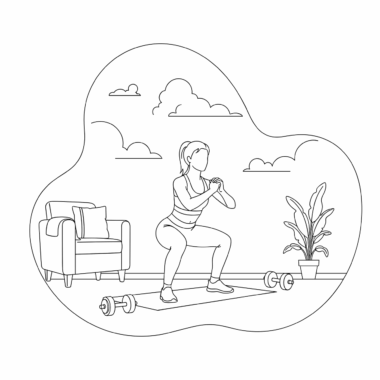
As we age, maintaining physical fitness becomes increasingly crucial. Bodyweight exercises offer an effective means for seniors to enhance strength without needing complex equipment. This type of exercise promotes flexibility, balance, and coordination, which are essential for preventing falls. Incorporating regular bodyweight movements improves overall mobility and independence by allowing seniors to perform daily tasks with more ease. Some beneficial exercises include squats, push-ups, and lunges. All these exercises can be modified to suit individual fitness levels, ensuring safety and comfort while exercising. It’s important for seniors to start gently, gradually increasing intensity as they become more accustomed to the movements. Working out with a partner or in a group can add a social aspect, making exercise enjoyable. Additionally, staying consistent with a routine can have lasting health benefits, from improvements in cardiovascular health to enhanced mental clarity. Finally, consulting with a healthcare professional before beginning any exercise program is recommended to ensure it aligns with individual health circumstances.
Key Benefits of Bodyweight Exercises
Bodyweight exercises are particularly beneficial for seniors primarily due to the minimal risk they pose. They enhance functional strength, which directly impacts daily life activities, making tasks like carrying groceries or climbing stairs easier. Furthermore, these exercises improve balance, reducing the risk of falls, which is a significant concern for older adults. Engaging in bodyweight training helps boost bone density, promoting skeletal health, which is vital as bones tend to weaken with age. Flexibility is another advantage of these exercises, aiding in maintaining a full range of motion in joints. By integrating movements like stretches, seniors can alleviate stiffness, enhancing their ability to move more freely. Cardiovascular fitness is also improved through interval training with bodyweight exercises, such as squats followed by rest. This approach increases heart rate while remaining safe. Lastly, bodyweight exercises can be performed anywhere – at home, in parks, or within community centers, allowing seniors to infuse fitness into their routines without needing a gym membership. Proactively focusing on these benefits can inspire seniors to stay committed to fitness, enhancing overall quality of life.
To begin a bodyweight workout regimen, seniors should prioritize a warm-up session. A proper warm-up includes light movements to increase heart rate and prepare the muscles for activity. Simple activities like walking in place or doing arm circles can be effective. Following a warm-up, seniors can engage in a variety of bodyweight exercises tailored to their abilities. For instance, wall push-ups are a great starting point for those new to strength training. This exercise minimizes strain while improving upper body strength. Similarly, chair squats enable seniors to practice lowering their bodies without the risk of falling, promoting leg strength effectively. Another beneficial exercise is the seated leg lift, where individuals sit on a sturdy chair and raise their legs to strengthen their core. Seated exercises reduce the impact on joints, making them more accessible for seniors with mobility issues. Gradually integrating these movements into a routine helps build confidence and strength. Finally, ending a workout with a cool-down stretches is key to promoting recovery and preventing muscle soreness. Taking time to stretch can enhance flexibility and relaxation.
Setting Realistic Fitness Goals
Establishing achievable fitness goals is fundamental to ensuring a successful exercise program for seniors. Goals should be tailored to individual abilities and current fitness levels. Setting incremental goals can drive progress and motivate sustained participation. These might include completing a certain number of repetitions for exercises or incorporating exercise into the weekly routine a specific number of days. For example, seniors might aim to perform bodyweight exercises two to three times a week, gradually increasing the frequency. An essential aspect of goal-setting is tracking progress, which can be as simple as maintaining a log of workouts or reflecting on improvements in strength and flexibility. Celebrating small milestones along the way can boost motivation and reinforce the value of the effort put forth. Additionally, seeking support from family members or joining community-based fitness groups can enhance accountability, making exercise more enjoyable. When seniors realize their improved capabilities, such as standing longer or carrying objects more easily, motivation continues to rise, fostering a positive relationship with fitness. Ultimately, realistic goal setting encourages seniors to prioritize their health while focusing on personal achievements.
Staying hydrated is another essential component of maintaining a successful workout routine, particularly for seniors. As individuals age, the sensation of thirst can diminish, making it crucial to develop a habit of drinking water regularly. Hydration supports overall health, including joint function and muscle recovery. Before, during, and after workouts, seniors should focus on incorporating fluids to replenish their bodies effectively. This practice will optimize performance levels as it helps maintain energy. Light snacks can also boost energy prior to exercise; nutritious choices may include banana slices or yogurt. Focusing on balanced nutrition supports workout efforts by delivering essential vitamins and nutrients. Incorporating healthy fats, lean proteins, and whole grains into daily meals will also contribute to a well-rounded diet. This nutritional framework will allow seniors not only to build muscle strength but also enhance overall vitality. Additionally, incorporating consistency into hydration and nutrition will foster a healthier lifestyle overall. As seniors advance in their exercise capabilities, they will find themselves stronger, with better stamina and energy levels, enabling them to enjoy life with more vigor and enthusiasm.
Finding Supportive Community Resources
Exploring local resources can greatly benefit seniors in their bodyweight exercise journey. Many communities offer fitness programs specifically designed for older adults, featuring tailored exercises that accommodate various fitness levels. Local gyms, community centers, or senior centers typically offer classes led by certified instructors knowledgeable in senior fitness. These programs provide safe environments, offering guidance and motivation. Online platforms also present a wealth of resources, featuring tutorial videos that demonstrate bodyweight exercises suitable for seniors. Many YouTube channels are dedicated to senior fitness, showcasing workouts to fit different fitness levels. Moreover, social media platforms often host groups where seniors can connect with others pursuing similar health goals. Engaging within a community helps reinforce motivation, as shared experiences foster encouragement among peers. Family members can also play supportive roles by joining in workouts or participating in healthy activities together. Support from loved ones can enhance the enjoyment of exercising, making fitness a shared commitment. Ultimately, tapping into community resources enables seniors to stay active, productive, and aware of available options for ongoing fitness support and well-being.
Lastly, remember the importance of safety while performing bodyweight exercises, as seniors should prioritize injury prevention. Modifying exercises to suit individual abilities is crucial; this may involve reducing the number of repetitions or adjusting the range of motion. Ensuring that the exercise space is free from clutter and hazards is vital to prevent falls or accidents. Using sturdy support systems, like walls or chairs, during exercises can also enhance safety levels. Additionally, listening to the body is critical; pushing through pain can lead to serious injuries rather than helping achieve fitness goals. Regularly consulting with healthcare professionals, like physical therapists or trainers experienced with senior fitness, enables effective guidance tailored to individual needs. Keeping open communication about any concerns should be encouraged, enabling adjustments to routines when necessary. Ultimately, fostering a safe exercise environment will enhance confidence, enabling seniors to engage fully in their fitness journeys. By taking necessary precautions, seniors can focus on building strength and flexibility, maintaining their health, and enriching their daily lives with a commitment to fitness.