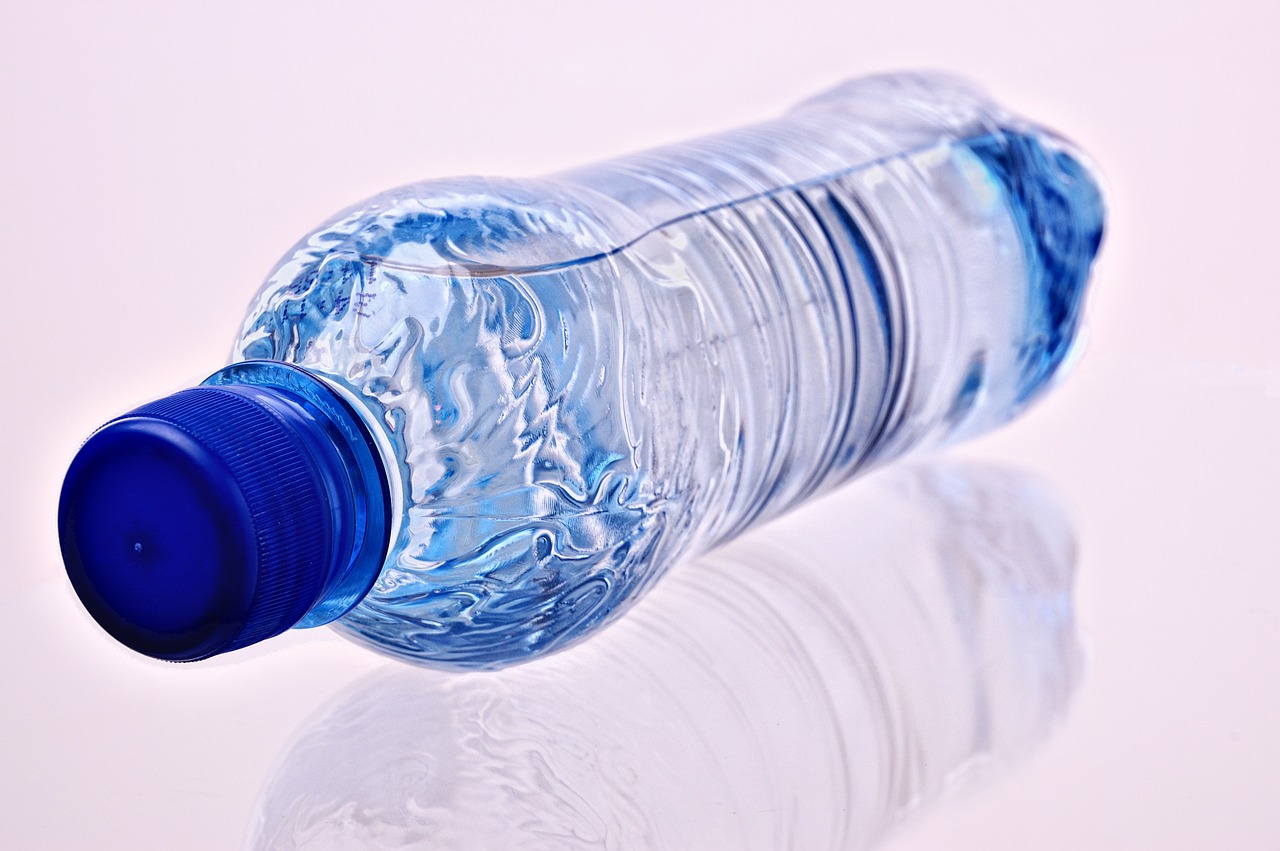

Hydration and Its Effect on Hormonal Function
Hydration is a crucial yet often overlooked aspect of hormonal health and fitness. It impacts various bodily functions, including hormonal balance. Hormones, which regulate everything from metabolism to mood, can be significantly affected by our hydration levels. When the body is dehydrated, the endocrine system struggles to function optimally, leading to hormonal imbalances. Conditions such as fatigue, mood swings, and even weight gain can arise from insufficient hydration. To maintain proper hydration and support hormone function, it’s vital to drink adequate water throughout the day. Additionally, foods with high water content, such as fruits and vegetables, can contribute to overall hydration. Here are some hydrating options to consider:
- Watermelon
- Cucumbers
- Spinach
- Strawberries
Consuming these foods ensures hydration while providing essential nutrients for hormonal health. Establishing a routine for regular fluid intake can promote better hormonal function, achieving a healthier balance across various systems in the body. The benefits of appropriate hydration extend beyond physical health; it influences mental well-being and energy levels, too. Thus, prioritize hydration for better hormonal health.
Maintaining hydration also supports metabolic processes that are intertwined with hormone levels. Proper hydration aids the kidneys in filtering out waste products, thus contributing to the balance of essential hormones like aldosterone and insulin. Dehydration can lead to an increase in cortisol levels, triggering stress responses and possibly resulting in weight gain and other disorders. To mitigate these effects, regularly consuming fluids that support hydration is vital. Aim for a variety of hydrating liquids such as herbal teas, coconut water, and electrolyte-rich sports drinks when appropriate. Alongside these, you can enhance hydration through your meals, ensuring they are rich in water content, to keep hormone-regulating organs functioning efficiently. Don’t underestimate the importance of hydration when considering workouts, as sweat loss can rapidly diminish fluid levels. Therefore, a pre- and post-workout hydration strategy can enhance performance and hormonal efficiency. Consider including hydration reminders throughout your day. Use smartphone apps or set timers to encourage regular water intake, helping form lasting habits that promote a healthier lifestyle. Hydration is an accessible, yet vital tool in the quest for optimal hormonal health.
The Role of Electrolytes in Hydration
Along with regular water intake, electrolytes play a significant role in your hydration status and, consequently, hormonal health. Electrolytes, including sodium, potassium, magnesium, and calcium, help maintain fluid balance and facilitate communication between cells. By ensuring optimal levels of these essential minerals, you promote effective hormonal signaling processes. A lack of electrolytes can lead to issues such as muscle cramping, irritability, and fatigue, directly affecting physical performance and hormonal balance. Incorporating electrolytes into your diet may be as simple as eating a balanced diet. Foods such as bananas, spinach, avocados, nuts, and seeds can help replenish electrolyte levels naturally. Additionally, enhancing hydration strategies with electrolyte-infused drinks can be beneficial, especially after intense workouts. Including these drinks as part of your routine ensures adequate replenishment of lost electrolytes, improving recovery and hormonal stability. Consider hydration and electrolyte balance as two sides of the same coin in promoting overall well-being. Remember to pay attention to your body’s signals for dehydration, such as persistent thirst, dry mouth, or fatigue. These cues can help you better manage hydration and electrolytes for optimal hormonal function.
The timing of your hydration can also influence hormonal health significantly. Consuming water strategically before meals can promote digestion and signal the body to balance hormonal levels appropriately. It prepares the digestive system for nutrient absorption and supports healthy blood sugar levels, particularly insulin. Additionally, staying hydrated during the day helps prevent hormonal fluctuations associated with stress, fatigue, and mood swings. Aim to drink a glass of water before each meal and snack; it not only aids digestion but also ensures your body receives adequate fluids throughout the day. This habit can regulate hunger signals and curb overeating, helping to maintain a healthy weight. Similarly, post-workout hydration becomes critical in recovering lost fluids and stabilizing hormone levels, including anabolic hormones essential for muscle recovery. This emphasizes the need for hydration to align with activity levels and daily schedules, reinforcing the connection between lifestyle choices and hormonal health. Maintaining awareness of your hydration habits ultimately contributes to better long-term health outcomes. Track your daily water intake to create accountability and identify areas for improvement in your hydration practices.
Signs of Dehydration to Watch For
Recognizing the signs of dehydration can support better hormonal health and wellness. Common symptoms include dry skin, fatigue, thirst, and dark urine, which indicate your body is not receiving sufficient hydration. Chronic dehydration can lead to more severe hormonal imbalances, affecting your metabolic rate, mood, and overall well-being. Therefore, a proactive approach toward hydration is essential. If you experience persistent headaches or feelings of lethargy, consider assessing your fluid intake. For individuals engaged in high-intensity training or prolonged periods of physical activity, hydration becomes even more critical. Regularly monitoring urine color can also provide insight into hydration status; aim for a light yellow tint as an indicator of proper hydration. Additionally, listen to your body’s cues; if you’re feeling thirsty or experiencing cravings, it may suggest the need for more fluids. Keep a water bottle within arm’s reach to encourage frequent sipping. By addressing dehydration early, you lay the groundwork for maintaining consistent hormone balance, which is vital for optimizing health. Adopting a mindful hydration routine is a simple yet effective approach to ensuring holistic wellness.
Incorporating hydration into your daily routine can promote long-term hormonal health. Make hydration a priority, treating it as an essential component of your lifestyle. To facilitate this habit, designate specific water breaks throughout your day. For instance, commit to drinking a certain amount of water after waking up, during meals, and before going to bed. These consistent intervals help maintain hydration and regulate hunger signals around mealtimes. Utilize water-tracking apps or apps that remind you to drink more, which provide an engaging way to monitor your progress. You can also flavor your water naturally with fresh fruits or herbs for added variety and encourage higher consumption. Making it enjoyable transforms this healthy practice into a sustainable habit. Participate in health challenges with friends or family where hydration becomes a shared goal. This social aspect can enhance accountability while making the journey towards optimal hydration a little more enjoyable. By making hydration a core part of your daily schemes, you establish a foundation of health that supports not only hormonal balance but also overall well-being and vitality.
Conclusion: The Importance of Hydration
In conclusion, the connection between hydration and hormonal health is evident and impactful. Prioritizing hydration enhances overall wellness, promotes optimal hormonal function, and supports better metabolic processes. Making conscious lifestyle choices surrounding hydration, including frequent water intake and monitoring whether electrolyte balance is maintained, is crucial for comprehensive health. This practice not only aids in hormonal regulation but also boosts physical performance, mood stability, and overall energy levels. As a primary consideration in your wellness journey, adapt hydration strategies that align with your daily routine. Assess your habits, recognize the signs of dehydration, and establish a mindful approach to fluid intake. This way, you foster a lifestyle that inherently promotes hormonal balance, setting a foundation for a healthier, happier you. Hydration should not be an afterthought; instead, let it be part of your daily ritual. By committing to better hydration practices, you contribute to your overall health and empower your body to function at its best. In this ever-changing landscape of health information, staying consistent with hydration remains a timeless and foundational aspect of safeguarding wellbeing.
By ensuring that you maintain proper hydration, you take substantial steps toward bolstering not only your hormonal health but your overall physical fitness as well. Making educated choices around hydration fuels your journey toward a balanced life. The benefits are multifaceted, impacting physical, mental, and emotional health. Consistently reviewing and adjusting hydration strategies can yield meaningful and lasting changes. Thus, being proactive rather than reactive towards your hydration practices offers the best chance for success in achieving your health goals. Incorporating simple yet effective practices such as carrying a water bottle, planning for hydration during meals, and enjoying hydrating foods can enhance your overall experience. The positive impacts of adequate hydration resonate throughout the body, supporting multiple systems simultaneously and thus enhancing your quality of life. As we reassess our habits in light of current health trends, one thing remains clear: hydration is essential for hormonal balance and fitness. Embrace this knowledge as part of your daily regimen, ensuring that you remain not only aware but engaged in your pursuit of optimal health through better hydration. This foundation of health is the pathway to a balanced and fit lifestyle.