
Exercise Guidelines for Kids with Special Needs
Children with special needs often require individualized exercise plans tailored to their unique abilities and challenges. It is essential to create a supportive environment where they can thrive while engaging in physical activities. Incorporating fun, interactive exercises can help keep them motivated and improve their social skills. Begin by assessing their current physical fitness level and consult with healthcare professionals for guidance. A variety of physical activities should be introduced gradually, allowing them to progress at their own pace. Aim for at least 60 minutes of activity each day. Choose activities they enjoy and can engage in safely. Remember that consistency is key, so encourage regular participation without overwhelming them. Focus on enhancing their confidence and enjoyment through exercise to build lifelong habits. Remember that everyone is different; thus, adapt exercises to fit their comfort levels to prevent frustration or injury. Activities include swimming, walking, and adaptive sports that promote teamwork, coordination, and strength. Positive reinforcement, through praise and rewards, can also help maintain interest in physical fitness.
Setting Realistic Goals
When creating exercise guidelines for kids with special needs, setting achievable goals is crucial to their success. Establish short-term and long-term objectives that align with each child’s abilities and preferences. Focus on specific skills that can be improved over time, such as balance, coordination, and endurance. Encourage them to participate in exercises that motivate them, making goal tracking a more engaging experience. Keep in mind that progress will vary significantly for each child; some may excel in certain areas while others may need additional support. Create a reward system to celebrate their achievements, no matter how small. This positive reinforcement enhances motivation and fosters a sense of accomplishment. Involving caregivers and family members in the goal-setting process ensures that everyone is invested in the child’s success. Activities like group games or team sports can significantly enhance the social aspect of fitness, promoting peer interactions. Adjust goals periodically to maintain interest and avoid monotony, ensuring that challenges evolve. Ultimately, your goal is to instill a love for movement, so prioritize enjoyment and satisfaction to cultivate a positive relationship with exercise.
Incorporating play into exercise routines can make physical activity especially appealing to children with special needs. Play-based activities promote learning while developing essential motor skills. Simple games that require throwing, catching, or kicking a ball can be both enjoyable and beneficial. Consider introducing obstacles or challenges that they need to overcome, helping to develop problem-solving abilities alongside physical fitness. Make sure to encourage teamwork by grouping children in pair activities that require collaboration and communication. Foster a positive environment where kids feel comfortable exploring different movements or trying new sports without fear of judgment. Being supportive will boost their self-esteem and confidence as they learn new skills. Provide opportunities for unstructured playtime where kids can explore and express themselves freely. Some children may prefer solo activities, while others thrive in group settings. Tailor your approach based on individual preferences. Engaging kids in active play not only improves physical health but also contributes positively to their mental and emotional well-being. Overall, making exercise a fun and enjoyable part of their lives can build positive habits that last a lifetime.
Developing an inclusive exercise routine for children with special needs requires creativity and adaptability. Utilizing various equipment, such as therapy balls, resistance bands, and adaptive seating, can enhance their experience and provide new challenges. Ensure that the space for exercise is accessible and conducive to the activities chosen, accommodating any mobility limitations. It is beneficial to involve children in choosing the types of activities they want to participate in. This engagement promotes ownership of their fitness journey while helping them make informed choices. Implementing technology, like fitness apps or video games that encourage movement, can be a fun way to motivate children to be active. Always monitor their exertion levels, ensuring they remain comfortable throughout their activities. Celebrate improvements in their physical capabilities, regardless of how small. Maintaining a supportive atmosphere encourages consistent participation and helps children feel valued. Encourage parents and caregivers to participate in activities with their children. This involvement is essential for building confidence and affinity for exercise, especially when they see role models engaging and enjoying physical activities together.
Safety First
Safety should always be prioritized when developing exercise guidelines for kids with special needs. Ensuring that activities are appropriately suited to their individual capabilities is vital for preventing injuries. Begin with a thorough assessment of their physical abilities and medical conditions, consulting with healthcare providers as necessary. Always provide supervision during exercise sessions to keep children safe and to offer immediate assistance if needed. Teach essential safety rules regarding each proposed activity, such as proper warm-up techniques to prevent strains or injuries. Be attentive to signs of exhaustion, discomfort, or distress to ensure a positive experience. Adjust exercise intensity and duration based on their responses to different activities. Focus on teaching children how to recognize their body’s signals and express their comfort levels. Consider environmental factors, such as weather, to ensure they are workout-ready. Hydration should also be emphasized, particularly during longer exercise sessions. When children feel secure and cared for, they can focus on the enjoyment of movement and experience the physical benefits of staying active without the added stress of potential harm.
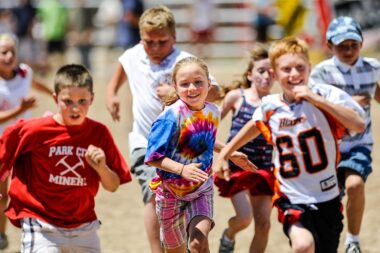
Encouraging social interaction through group exercises is an effective way to promote fitness among kids with special needs. Group activities foster teamwork, communication, and mutual support, allowing children to bond over shared experiences. Consider organizing classes or team sports where they can collaborate and encourage one another during exercises. This sense of community can lead to increased motivation and a supportive atmosphere. Choose activities that allow everyone to participate at their skill level, ensuring inclusivity and minimizing the chance of exclusion. Events such as family workout sessions, fitness challenges, or community sports days can help build social connections while making fitness rewarding. Parents and caregivers can also become involved, promoting family bonding and encouraging healthy habits for the entire family. Establishing friendships through these activities can benefit their emotional well-being, leading to lasting relationships that extend beyond the confines of exercise. Regularly updating activities keeps engagement high, adjusting based on group dynamics and interests. Celebrate teamwork achievements in fitness or participate in challenges that highlight collaboration. In doing so, you cultivate a supportive and encouraging fitness environment, laying the groundwork for lifelong friendships.
Tracking Progress
Monitoring and assessing progress in physical activities are vital for shaping exercise guidelines for children with special needs. Create a system for tracking their achievements, such as setting specific milestones related to endurance, strength, or motor coordination skills. Journaling is a great way to document experiences and progress over time. Keep records of various activities and note how children felt after participating in them. This documentation will help identify preferred exercises and areas for improvement. Consider periodic assessments with support from physical education teachers or healthcare providers to monitor physical development. Review these findings during regular meetings with caregivers and family members, celebrating advancements, no matter how small. Adapt plans as needed based on the observations and feedback gathered throughout these sessions. Utilize positive reinforcement strategies to encourage children when reaching their targets; this motivates continued participation and fosters a sense of pride in their achievements. By cultivating a strong support system and tracking progress, you’re not only enhancing their physical fitness but also boosting their overall enthusiasm for exercise. Ultimately, a structured approach can encourage children to embrace activity as a fun and beneficial component of their daily lives.
In summary, developing comprehensive exercise guidelines for kids with special needs is essential. Focus on tailored activities, achievable goals, and a supportive environment. Prioritize safety and emphasize group interactions while tracking progress consistently. By engaging children in enjoyable exercises and fostering social connections, we can create a lasting impact on their physical health and well-being. Encouragement, understanding, and flexibility are critical elements in this process. This approach can help improve their physical capabilities and emotional and social strengths, ultimately leading to a healthier lifestyle. Building a sense of belonging and inclusion in fitness activities is paramount. Strive to make physical activity accessible and enjoyable for special needs children, ensuring their voices are heard. In doing so, the experience will not only benefit their bodies but also their minds and spirits. It is essential to create an inclusive fitness culture that reflects diversity. Every child deserves the opportunity to engage in activities that promote well-being. Let us advocate for enjoyable, tailored fitness experiences for each child. Together, we can illuminate their potential through movement and connection, highlighting the importance of fitness to overall quality of life.