
How to Build Muscle on a Vegan Diet: Tips and Tricks
Building muscle on a vegan diet is entirely possible, and many people successfully achieve their fitness goals while adhering to plant-based nutrition. The key is to understand the nutritional content of various vegan foods and ensure you meet your body’s protein needs. Protein is crucial for muscle repair and growth, and sources like legumes, nuts, seeds, and whole grains are excellent choices. Pairing these protein sources with a variety of vegetables enriches your diet with essential vitamins and minerals. Meal planning is vital when pursuing a vegan muscle-building regimen. By planning your meals, you can guarantee that you consume balanced macronutrients across the day. Furthermore, utilizing supplements like plant-based protein powders can boost your intake efficiently. Generally, a diverse array of foods will help mitigate the potential deficiencies sometimes associated with a vegan diet, particularly regarding protein and B vitamins. Overall, with appropriate strategy and knowledge, achieving muscle-building success on a vegan diet is attainable. Remember that consistency is key!
Incorporating Protein Sources
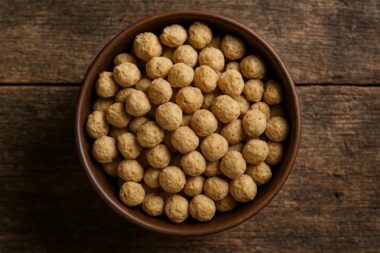
Incorporating adequate protein sources into your diet is vital for building muscle effectively. You can easily integrate protein-rich foods such as lentils, chickpeas, and black beans into your meals. These legumes provide essential amino acids necessary for muscle growth. Tofu and tempeh are versatile options that can replace meat in various dishes, enhancing protein content while remaining entirely plant-based. Moreover, consider adding nutritional yeast to your meals; it’s not only a good protein source but also adds a cheesy flavor to dishes. Other excellent sources of protein include chia seeds, hemp seeds, and quinoa, which can be added to smoothies, salads, or oats. Moreover, snack options such as raw nuts or nut butters also contribute to your daily protein intake. To ensure diverse nutrition, incorporate different protein sources in each meal. This approach can facilitate optimal muscle recovery and growth. Lastly, maintain a well-balanced diet inclusive of carbohydrates and healthy fats to support your energy levels throughout your workout routines.
Another essential aspect of vegan muscle building is understanding your caloric needs. It’s crucial to ensure that you consume enough calories to support muscle growth while not compromising your overall dietary choices. Caloric surplus is the amount you should aim for: consuming more calories than you expend allows your body to use those extra calories for muscle building. To calculate your caloric needs, consider factors like age, gender, weight, and activity level. You can use online calculators or consult a nutritionist for personalized advice. Keep track of your food intake using apps or food diaries which can help you stay accountable to your goals. This will give you insight into what you might need to adjust to meet caloric requirements. It’s also important to listen to your body: if you’re consistently fatigued or finding it hard to recover, you may need to increase your caloric or nutrient intake. Building muscle on a vegan diet necessitates careful planning, increased awareness of food choices, and attention to overall caloric balance.
Timing Your Meals
Timing your meals around your workouts can significantly impact your muscle-building progress. Consuming the right nutrients pre- and post-workout enhances recovery and promotes muscle gain. Before exercising, it’s beneficial to have a meal rich in complex carbohydrates and some protein to fuel your workout. Foods like oats, smoothies with spinach and banana, or a protein bar can provide lasting energy. After exercising, focus on replenishing your body with a higher protein meal or shake to aid in recovery and repair muscle fibers. Ideally, consume this meal within 30–60 minutes post-workout. Smoothies with plant-based protein powder, peanut butter, or a chickpea salad can be great options for refueling. Remember to stay hydrated throughout the day since water plays a critical role in maintaining energy levels. Dehydration can hinder performance and recovery. Therefore, make sure your daily consumption of water is adequate and tailored to your activity level, as hydration enhances overall health and physical performance.
As a vegan, finding creative ways to prepare protein-rich meals is essential for enjoyable dining experiences. Experimenting with various cooking methods and flavor profiles can make your vegan meals much more exciting. Consider trying different herbs, spices, and marinades to enhance meals. For instance, using spices like cumin, turmeric, or garlic can create vibrant flavors in meals. Roasting vegetables and mixing them into grain bowls can add texture and taste. Moreover, prepare meals in bulk so that you’ll always have nutritious options ready. Meal prep can help ensure that you stay on track with your dietary goals and resist the temptation of fast, unhealthy choices. Check online resources for delicious recipes and meal ideas tailored to vegan muscle building, incorporating the right balance of protein, carbs, and fats. Ultimately, variety and creativity can keep your meals interesting while fulfilling your nutritional requirements. Sharing meals with friends can also foster a social environment supportive of your muscle-building journey!
The Role of Supplements
While many nutrients can be obtained through a well-planned vegan diet, some individuals may consider supplementation to optimize their muscle-building efforts. Popular supplements among vegans include protein powders, creatine, and BCAAs (branched-chain amino acids). These supplements can enhance recovery times and support muscle growth. Plant-based protein powders, like pea or brown rice protein, ensure an easy way to increase protein intake. While creatine is commonly associated with meat consumption, synthetic versions are available that can aid vegans in muscle-building endeavors. Research suggests that creatine can enhance strength gains, making it a useful addition to training regimens. However, it’s important to consider each supplement’s necessity based on individual dietary goals and consult with a healthcare professional before beginning any supplementation. Supplements can play a significant role, but they shouldn’t replace whole food sources. Focus on maintaining a balanced, nutritious diet to keep your body functioning well.
Finally, don’t underestimate the importance of monitoring progress and making necessary adjustments. Maintaining a workout log helps track your exercises, sets, and repetitions, enabling you to see patterns and continuously push yourself. Coupling this with a food diary might help identify areas for improvement in your diet. Aim for a progressive overload in your training program to stimulate muscle growth consistently. If you notice that your progress has plateaued, consider altering your routine or increasing the intensity of your workouts slightly. Such changes can help your muscles adapt and continue to build. Staying patient is essential in this journey, as muscle building takes time and dedication. Commit to a sustainable fitness plan that incorporates regular workouts along with a well-balanced vegan diet. Celebrate small victories along the way, like improved strength or endurance. Each milestone marks closer steps toward achieving your ultimate goals. With effort and determination, you can successfully build muscle on a vegan diet!