
Apps That Facilitate Adaptive Fitness Challenges and Goals
In today’s world, adaptive fitness has emerged as a vital component for individuals with disabilities, promoting inclusivity in health and wellness. Numerous apps are designed to assist users in achieving their fitness goals and overcoming unique challenges they may face. These applications cater specifically to diverse needs, enabling personalization and accessibility for everyone. For users with varying disabilities, tailored functionalities enhance their experience. Certain apps provide workout plans specifically created for different disabilities, while others offer community engagement through forums and support groups.Physical activity is essential, and these apps ensure users stay active regardless of their limitations. Some noteworthy apps even incorporate adaptive exercises into gaming, making fitness enjoyable and motivating. Utilizing visual and audio cues helps convey information effectively, assisting users in understanding their routines. Moreover, statistics show that those with adaptive fitness needs are more likely to adhere to a regimen when technology is involved. Social integration through apps fosters connections and support, allowing users to share journeys and celebrate achievements. Overall, adaptive fitness apps empower individuals and enhance their well-being, proving crucial in today’s inclusive society.
Integration of technology into adaptive fitness has paved the way for numerous innovative applications designed for specific needs. These apps vary in functionality, ranging from basic tracking of workouts to complex coaching algorithms. Users can log activities, monitor progress, and achieve benchmarks through user-friendly interfaces. Among many offerings, some platforms particularly stand out for their unique features. For instance, ClassPass provides tailored classes that accommodate individuals with adaptive requirements. Participants can select workouts based on their abilities, ensuring a comfortable experience. Additionally, fitness trackers like Fitbit allow users to set personalized goals, track steps, and even monitor heart rates with ease. Furthermore, MyFitnessPal facilitates dietary planning along with workout tracking, enabling users to focus on both nutrition and physical activity. A sense of community is vital, and social apps encourage users to connect with peers facing similar challenges. Users can share experiences and motivate each other, enhancing the overall fitness journey. Embracing technology in adaptive fitness promotes not only individual health but also a supportive network, fostering resilience and motivation to reach personal goals. As this trend continues to grow, the landscape of fitness will evolve, increasing inclusivity.
Key Features of Adaptive Fitness Apps
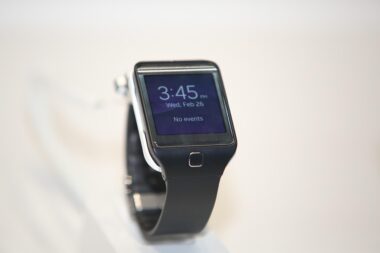
Exploring key features of adaptive fitness apps reveals what makes them essential for individuals with disabilities. Firstly, user-friendly interfaces ensure that navigation is simple, allowing users to find what they need without frustration. Voice commands and visual aids enhance accessibility, making it easier to follow fitness routines. Furthermore, customizable workout plans cater to diverse needs, with options to select intensity, duration, and types of exercises. These tailored approaches help users engage in activities that align with their capabilities and preferences. Supportive communities within these applications foster interaction, enabling users to share stories and tips. Features like goal-setting allow users to create personal short-term and long-term objectives. Additionally, progress tracking functionalities enable users to visualize their achievements, motivating them to push their limits. Integrations with wearable technology provide real-time feedback, enhancing workouts through immediate data evaluation. Gamification elements transform routine exercises into challenges, keeping users engaged and committed. Ultimately, these features combine to create comprehensive adaptive fitness experiences, empowering users to live healthier lifestyles while breaking down barriers.
Accessibility is a cornerstone of adaptive fitness apps, and various tools enhance this vital aspect. Developers place emphasis on ensuring that these applications are usable for everyone, regardless of ability. For instance, apps may feature compatibility with screen readers, allowing visually impaired users to interact effortlessly. Additionally, color contrast settings improve usability for users with limited vision. Most notable is the integration of video demonstrations, which provide step-by-step guidance for exercises that may be unfamiliar to users. This visual support enhances understanding and execution of workouts, ensuring users perform movements safely and effectively. Furthermore, incorporating adaptable sounds and notifications alerts users to critical transitions in workouts, especially for those with hearing impairments. Many apps also offer multi-language support, catering to diverse user bases across different regions. These accessibility features not only promote participation but also foster a sense of belonging in the fitness community. By prioritizing inclusivity and support, adaptive fitness apps contribute to individual empowerment and encourage ongoing engagement in physical activities.
Successful Case Studies of App Implementation
Real-world case studies illustrate the impact of adaptive fitness applications on users’ lives. One notable example is Special Olympics Fit, which provides fitness resources tailored for athletes with intellectual disabilities. Incorporating structured programs empowers athletes to stay fit while enjoying the process. Within this application, users can find workout routines, nutritional guidance, and community engagement opportunities. Participants report increased motivation and improved well-being after utilizing such resources. Another impactful initiative is Fit4Life, which supports individuals with physical disabilities by offering personalized fitness tracking and group challenges. Users connect with others who share similar experiences, fostering motivation and companionship. Various success stories highlight how these applications facilitate newfound confidence and healthy habits among participants. Moreover, progress tracking and recorded achievements present evidence of physical improvements, creating momentum for participants. These case studies reinforce the importance of combining technology with fitness, proving that adaptive fitness applications can transform lives. As adaptation becomes more mainstream, these apps continue to inspire users to set and achieve personal fitness goals.
Another notable application is Down Dog, specifically designed to accommodate diverse mobility needs through yoga practices. Users can customize their sessions according to their abilities, creating a comfortable and fulfilling experience. Its adaptability assures users engage in safe practices while discovering the benefits of yoga. Virtual fitness meet-ups also contribute to connecting users through platforms like Meetup, where individuals can find local or virtual classes. Participating in shared activities builds camaraderie and support among peers facing similar challenges. Furthermore, interactive platforms offer live-streaming options to engage users in real-time fitness classes. These real-time opportunities promote inclusivity while adapting exercises to cater to limited mobility as needed. Physical fitness consequently becomes more enjoyable, motivating users to remain consistent with their routines. Accessibility leads to personal growth and achievement goals becoming attainable. As users progress, newfound confidence translates into various aspects of their lives, showcasing the holistic benefits of integrating fitness into daily routines. The development of inclusive applications is pivotal in creating environments that encourage participation from individuals across all ability levels.
The Future of Adaptive Fitness Technology
As technology continues to evolve, the future of adaptive fitness apps appears promising. Developments in artificial intelligence (AI) and machine learning will ultimately transform how these applications adapt to individual users. These advancements will facilitate unparalleled personalization in fitness planning and activity monitoring. Real-time responses tailored to a user’s performance will create dynamic adjustments during workouts, enhancing effectiveness. Moreover, integration with virtual reality (VR) can enhance immersive fitness experiences for users, making training engaging while accommodating specific needs like range of motion. Continued emphasis on community-building will also play a crucial role in users’ success. Digital platforms can now encourage real-time social interaction, appealing to the emotional aspects of fitness journeys. Additionally, further innovations in wearable technology may offer precise biometric data tracking. Users will gain insights into their health and fitness levels while providing instant feedback on progress. Overall, future trends in adaptive fitness tech will foster greater inclusivity and empowerment for users worldwide, solidifying the integral connection between health, technology, and well-being. This promises exciting opportunities where individuals can achieve not just physical health, but also enhancements to their personal quality of life.
As technology continues to evolve, the future of adaptive fitness apps appears promising. Developments in artificial intelligence (AI) and machine learning will ultimately transform how these applications adapt to individual users. These advancements will facilitate unparalleled personalization in fitness planning and activity monitoring. Real-time responses tailored to a user’s performance will create dynamic adjustments during workouts, enhancing effectiveness. Moreover, integration with virtual reality (VR) can enhance immersive fitness experiences for users, making training engaging while accommodating specific needs like range of motion. Continued emphasis on community-building will also play a crucial role in users’ success. Digital platforms can now encourage real-time social interaction, appealing to the emotional aspects of fitness journeys. Additionally, further innovations in wearable technology may offer precise biometric data tracking. Users will gain insights into their health and fitness levels while providing instant feedback on progress. Overall, future trends in adaptive fitness tech will foster greater inclusivity and empowerment for users worldwide, solidifying the integral connection between health, technology, and well-being. This promises exciting opportunities where individuals can achieve not just physical health, but also enhancements to their personal quality of life.