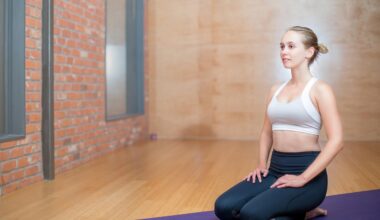

The Role of Dance Aerobics in Improving Flexibility
Dance aerobics is a popular form of exercise that combines dance and aerobic movements. It offers an enjoyable way to improve fitness levels while also enhancing flexibility. Engaging in dance aerobics allows individuals to express themselves through movement, making workouts feel less like chores and more like fun activities. Emphasizing rhythmic movements, dance aerobics can target various muscle groups in the body. This helps increase overall pliability and flexibility, enabling one to perform everyday tasks more efficiently. Additionally, dance aerobics offers an excellent cardiovascular workout, promoting heart health while improving coordination and balance. This benefit comes not only from the choreography but also from the dynamic transitions between dance steps. Many find that participating in group classes fosters community and support, motivating them to stick with their fitness goals. Furthermore, dance aerobics can cater to all fitness levels, proving accessible for beginners and more experienced individuals alike. This inclusivity is one reason why it has gained popularity as a preferred exercise routine, appealing to diverse demographics seeking to achieve greater levels of wellness and flexibility.
Benefits of Flexibility in Fitness
Flexibility is essential in any fitness routine as it contributes to overall well-being and physical performance. Improved flexibility enhances range of motion and helps prevent injuries during physical activity. By incorporating dance aerobics into your regular routine, you can experience these benefits first-hand. Greater flexibility can also facilitate better posture, reducing the risk of musculoskeletal problems. As dance aerobics routines often include dynamic stretches and movements, participants naturally stretch their muscles, thereby improving flexibility without noticing it. This type of aerobic exercise engages both large and small muscle groups, promoting a balanced workout. Additionally, engaging in these rhythmic movements can reduce muscle tension after a workout. It is particularly beneficial for individuals who may work sedentary jobs or have active lifestyles, alleviating discomfort often associated with tight muscles. Alongside other fitness practices, dance aerobics can lead to better performance in sports or daily activities. Furthermore, enhancing flexibility is a gradual process, requiring commitment, but can yield significant rewards, leading to increased mobility and agility over time.
Dance aerobics sessions often incorporate various dance styles, giving participants exposure to diverse movements. Styles may include jazz, hip-hop, or even cultural dances, all of which enrich the overall experience. As individuals learn different steps, they engage multiple muscle groups, enhancing flexibility. The continuous movement involved in dance aerobics encourages the body to adapt and become more pliable over time. Additionally, many instructors emphasize warm-up and cool-down stretches during classes. These essential components prepare the body for exertion and aid recovery afterwards. Consistent practice enhances circulation throughout the muscles, making it easier to achieve deeper stretches. Furthermore, dance aerobics fosters a sense of rhythm and body awareness, allowing individuals to better control their movements. This newfound awareness can facilitate quicker improvements in flexibility as participants become more attuned to their body’s limits. Social interaction is another hallmark of dance aerobics, creating an encouraging environment where individuals inspire one another to improve. Having a supportive setting can often motivate people to push beyond their limits, enhancing their overall fitness levels, including flexibility.
Starting Dance Aerobics
If you’re new to dance aerobics, starting your journey may feel intimidating. However, many accessible options exist for all fitness levels. Begin by finding a local class or an online program geared toward beginners. Many fitness studios and online platforms offer high-quality resources, often showcasing a variety of dance styles. Start with basic steps and gradually acquire more complex moves while maintaining a comfortable pace. You might also consider working with a certified instructor who can provide personalized feedback and adjustments. Additionally, warming up before each session is crucial. A good warm-up increases blood flow to muscles and enhances flexibility. Dance aerobics can also be done in your living room! Many apps and websites offer guided workouts at home, making it easy to participate without any excuses. Likewise, invest in a good pair of supportive shoes suited for aerobics that provide adequate stability and cushioning. Moreover, listen to your body, rest when necessary, and celebrate small victories to maintain motivation over time. As your confidence builds, you can explore different styles and challenge yourself further.
Nutrition plays a vital role in enhancing flexibility and overall fitness. To support your dance aerobics journey, it helps to prioritize a balanced diet rich in nutrients that promote muscle recovery and flexibility. Foods high in antioxidants, for instance, are essential for reducing inflammation and aiding recovery. Incorporate fruits, vegetables, whole grains, and lean proteins into your meals. Omega-3 fatty acids, commonly found in fish, are also excellent for combating stiffness. Stay adequately hydrated before, during, and after classes since dehydration can lead to decreased performance and increased muscle tightness. Consider incorporating foods with magnesium and potassium, as these minerals help boost muscle function and prevent cramps. Additionally, post-class snacks containing protein will assist in muscle repair. Preparing healthy snacks in advance can help keep your energy up throughout the day. Experiment with different meal plans and snacks to discover what works best for your body. Remember, the synergy between proper nutrition and dance aerobics contributes not only to improved flexibility but promotes your overall health and well-being.
Tracking Your Progress
Monitoring your progress can significantly enhance your motivation during your dance aerobics journey. Take note of your starting flexibility level and be sure to regularly assess changes over time. This can include measuring the range of motion and how easily you can perform various stretches and dance moves. Keeping a journal can help you document achievements, such as completing a challenging routine or mastering a new dance style. Additionally, consider taking videos of yourself during practice, as seeing tangible progress can be uplifting and motivating. It’s common to encounter plateaus during your journey, but with persistence, improvements will occur. Listening to your body and being patient is essential, as flexibility takes time to develop. Celebrate small victories, like being able to touch your toes or execute a challenging dance move. Sharing your experiences with others can also provide support and encouragement. Engage in community forums or classes, where you can exchange advice and tips with fellow dance enthusiasts. This way, you can remain excited about your flexibility goals while inspiring others in their journey.
In conclusion, dance aerobics serves as an effective way to improve flexibility while promoting physical fitness in a fun and engaging manner. The expressive nature of dance allows individuals to enjoy their exercise routines on their terms, leading to a lifelong love for movement. Incorporating flexibility-focused practices with dance aerobics creates a well-rounded fitness routine that enhances physical performance. Regularly practicing can yield improved range of motion, greater coordination, and better posture. Furthermore, dance aerobics fosters community among participants, encouraging individuals to support and challenge each other in their fitness goals. With dedication to consistent practice, adding nutritional support, and tracking progress, individuals can make significant strides in improving their flexibility. Whether you’re a beginner or an experienced dancer, there’s always room for growth. Embrace the journey, keep pushing your boundaries, and allow yourself to enjoy the rhythm and movement that dance aerobics offers. Remember, flexibility is a valuable asset that extends far beyond the dance studio, positively impacting overall health and well-being.