
Hydration Tips for Beginners in Intermittent Fasting
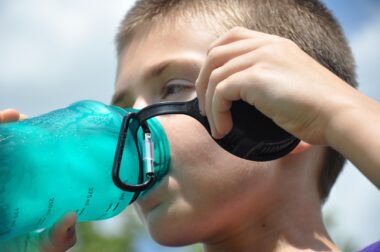
Intermittent fasting has gained widespread popularity, yet many beginners overlook the importance of hydration during the fasting period. Staying hydrated can greatly enhance your fasting experience and improve overall health. Water helps maintain various bodily functions, including temperature regulation, joint lubrication, and nutrient transportation. When you fast, your body may lose essential fluids, leading to dehydration, which can negatively impact your energy levels and cognitive function. To counteract this, it’s vital to drink enough fluids throughout the day. Aim for at least eight glasses of water, as individual needs may vary depending on factors like exercise, climate, and body weight. Aside from plain water, you might also incorporate herbal teas or infuse your water with lemon or cucumber for a refreshing twist. Remember that consuming these beverages should not break your fast if they are calorie-free and non-sweetened. During your fasting windows, ensure you are mindful of your hydration by setting reminders to drink regularly. Doing so will not only keep you feeling energized but also promote better digestion once you resume eating.
Another crucial factor to consider is the timing of your fluid intake. Proper hydration is especially important right before your fasting window begins and during your eating periods. A good strategy is to drink a glass of water or herbal tea right before breaking your fast. This helps prepare your digestive system and may aid in nutrient absorption. Remember that your body has been through a state of minimal intake, so reintroducing fluids can ease the transition. Beyond water, including minerals like sodium, potassium, and magnesium is essential during fasting. These electrolytes help maintain balance in your body and support muscle function. You can opt for electrolyte supplements, low-calorie drinks fortified with these minerals, or simply consume mineral-rich foods during your eating window, such as bananas or leafy greens. Also, it’s worthwhile to note that while excessively high water consumption can lead to hyponatremia, an imbalance of sodium in the bloodstream, ensuring a balanced intake is key for health during your fasting journey.
Understanding the Role of Electrolytes
When embarking on intermittent fasting, understanding the role of electrolytes in hydration cannot be understated. Electrolytes play a crucial part in keeping your body functioning correctly, especially during fasting. They help maintain fluid balance and regulate nerve and muscle functions. Common electrolytes include sodium, potassium, calcium, and magnesium. Their importance becomes especially apparent when you reduce your calorie intake since this can alter your body’s usual balance. Low levels of these crucial minerals can lead to symptoms like headaches, fatigue, and dizziness, which can deter many from maintaining their fasting routine. To counteract this, it’s beneficial to incorporate foods that are rich in electrolytes during your eating windows. For example, foods like avocados, nuts, and spinach are excellent sources. Additionally, you could consider adding a pinch of salt to your water or drinking broth, which is an excellent source of sodium and other minerals. This approach not only enhances hydration but also helps replenish your body’s supplies, ensuring that you remain energized and functional throughout your fasting periods.
Moreover, it is essential to listen to your body and adjust hydration amounts based on personal needs and circumstances. Factors such as exercise intensity, heat, and individual health conditions can greatly influence how much water you should consume. If you’re exercising or sweating more, you might need to increase your intake to replace lost fluids. Conversely, during less active days, your body may require less. The process of self-awareness during intermittent fasting is crucial; be attentive to signs of dehydration such as dry mouth, fatigue, or dark-colored urine. This awareness can help guide your hydration needs effectively. Furthermore, regular monitoring of your hydration can be helpful. Consider using a water tracking app to ensure you meet your goals. Remember, the key to successful intermittent fasting is not just cutting calories, but also maintaining a healthy balance of fluids and taking proactive steps towards staying hydrated. With time and practice, you’ll discover what works best for you and cultivate habits that support your fasting lifestyle.
Hydration-Friendly Recipe Ideas
If you’re looking to optimize hydration while practicing intermittent fasting, incorporating hydration-friendly recipes can be a great way to ensure you meet your goals. Here are a few recipe ideas that are not only refreshing but also help you stay hydrated: what’s popular among those in fasting routines are infused water recipes. Simple combinations such as cucumber and mint, or lemon and ginger, can make drinking water more enjoyable. You may also try homemade sports drinks using coconut water mixed with a dash of salt for a natural electrolyte boost. Smoothies made with hydrating fruits like watermelon or cucumbers can also be beneficial during your eating windows. These recipes provide hydration while allowing you to replenish your body’s necessary nutrients. Additionally, consider broths made from vegetables and herbs, which are not only hydrating but also nutritious. These options will ensure you stay satisfied without compromising your fasting goals. Remember, staying hydrated should feel like a refreshing routine rather than a chore, so explore different flavors and combinations until you find what you truly enjoy.
Furthermore, it’s important to understand how beverages might impact your hydration levels during intermittent fasting. While water, herbal teas, and black coffee are generally acceptable, consider avoiding sugary drinks and sodas. These options can disrupt your blood sugar levels and potentially trigger cravings during fasting. Alcohol also tends to dehydrate the body, thus it’s advisable to moderate its intake during fasting phases. Instead, focus on incorporating drinks that provide hydration without breaking your fast. If you’re unsure, remember that pure water is always your best choice. Sparkling water is another great option if you prefer something fizzy, but be sure to avoid added sugars or artificial sweeteners. Plain teas, such as green tea or peppermint, not only hydrating but may also support digestion and metabolism. Additionally, bone broth is an excellent source of nutrients and helps replenish electrolytes, making it a perfect addition during eating windows. Creatively exploring your beverage options will go a long way in enhancing the fasting experience and ensuring you remain hydrated throughout your journey.
Conclusion on Fasting and Hydration
In conclusion, hydration is a fundamental pillar for success in intermittent fasting. It allows your body to function optimally while fasting and significantly enhances overall well-being. As you integrate hydration into your routine, it’s crucial to experiment and find a balance that feels right for you. Tailor your hydration strategy around your lifestyle, incorporating water, electrolytes, and moisture-rich foods during your eating periods to sustain health. It’s helpful to monitor how your body responds and make necessary adjustments as your fasting journey progresses. By making fluid intake a priority, you will not only benefit from better energy levels but also improve focus and retain overall muscle function, complementing your fasting goals. Remember to listen to your body, as hydration needs can change based on various factors like activity level, climate, or health status. With these tips in hand, you are now better equipped to navigate your intermittent fasting journey while maintaining optimal hydration. Ultimately, enhanced hydration will lead to more effective fasting and a more enjoyable experience as a whole.