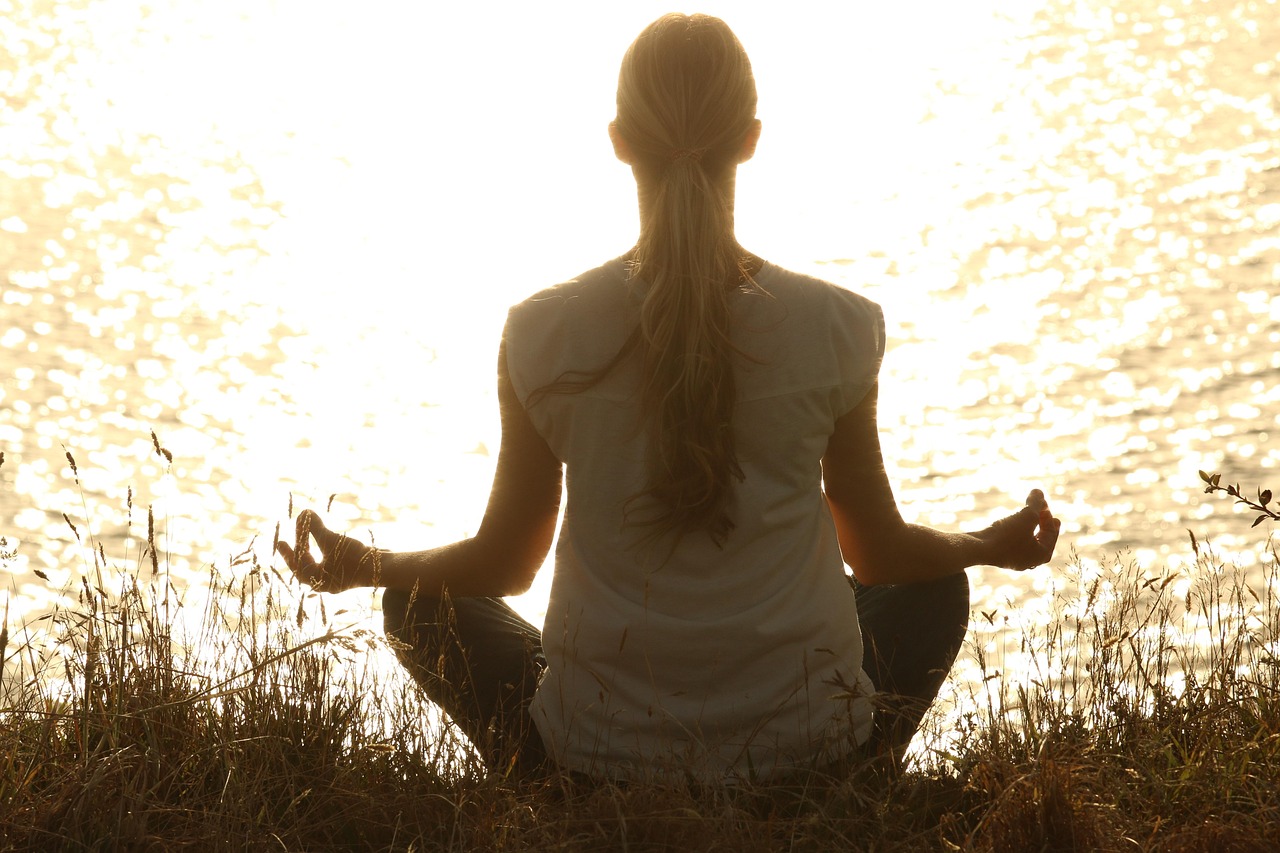

Mindful Movement: Incorporating Meditation into Physical Activity
Incorporating meditation into physical activity can dramatically alter the way we approach fitness, especially for individuals with chronic conditions. Mindful movement blends the principles of meditation with physical exercise to enhance awareness and reduce anxiety. This approach creates a holistic experience, allowing participants to connect more deeply with both their minds and bodies. It encourages a focus on breathing, balance, and mindfulness, which are essential when managing chronic illness. Rather than just going through the motions, individuals engaging in mindful movement can cultivate a strong sense of self-awareness. This ultimately contributes to improved well-being and overall health. Moreover, incorporating meditation helps in fostering a more welcoming exercise environment that promotes engagement and reduces the intimidation often felt in typical gym settings. Participants can benefit by focusing on their movements, allowing them to recognize limitations without judgment. Additionally, the practice can lead to improved outcomes in activities of daily living, providing those experiencing chronic illness with a sense of empowerment and control. In learning to be present during movement, practitioners often discover newfound joy in their physical capabilities and a deeper appreciation for self-care.
The Benefits of Mindful Movement
There are numerous benefits associated with mindful movement, particularly for individuals struggling with chronic diseases. For starters, it helps diminish stress levels, which can exacerbate chronic conditions. Meditation combined with movement can decrease cortisol levels, improving physical health and emotional well-being. Moreover, mindful movement promotes flexibility and strength in the body. Engaging in gentle, conscious movements while maintaining a meditative focus helps create a stronger mind-body connection. This connection allows individuals to better understand their physical limitations, making it easier to modify exercises based on their needs. Mindful practices have also been demonstrated to improve cardiovascular health. By lowering heart rates and enhancing circulation during gentle exercises, participants can engage more effectively in physical activities. Furthermore, this movement style encourages regularity, helping individuals to stick with their fitness routines long-term. Consistency is key in managing chronic conditions, leading to sustained improvements in health. Individuals may also find that mindful movement facilitates social connections. Classes and workshops focusing on these practices often create supportive communities, thereby enriching participants’ social interaction and emotional resilience. These combined benefits enrich the quality of life for those living with chronic health challenges.
To incorporate mindfulness into your fitness routine effectively, starting small is paramount. Beginners might consider beginning with just a few minutes of meditation before their workout sessions. Simple breathwork can significantly enhance focus and reduce anxiety, allowing for a calmer state of mind. Progressively, you can increase the length of your meditative practice as you become comfortable with it. One effective method is to synchronize breath with movement. When performing exercises, consciously breathe in and out, aligning your breathing pattern with each movement. This approach helps maintain focus on the present moment. It’s crucial to remain patient with oneself, especially when starting a new fitness practice. Like any new skill, it requires time and persistence. Additionally, many classes are available that specialize in mindful movement, such as yoga or tai chi. These classes often cater specifically to individuals with chronic conditions, making them a safe choice for many. Consider joining a community class to experience the benefits with others in a supportive environment. Over time, practicing mindful movement not only enhances physical health but fosters a holistic sense of well-being. This practice allows for gradual improvements in both fitness and mental health.
Setting Realistic Goals with Mindful Movement
Goal setting is an essential part of any fitness journey, particularly for those with chronic health conditions. Mindful movement encourages realistic goal-setting, helping individuals to focus on personal progress rather than comparative outcomes. Using SMART goals—specific, measurable, attainable, relevant, and time-bound—can provide a structured approach to achieving desired outcomes. Begin by determining short-term goals, such as engaging in mindful movement a few times per week. These incremental changes are vital for continued motivation and success. Additionally, consider tracking your progress, documenting changes in mood, energy levels, and physical capabilities, which can serve as encouragement to persist. Remember that setbacks are normal and should not discourage you from maintaining your commitment to self-care. It’s important to celebrate small achievements along the way, reinforcing positive behaviors and increasing your likelihood of long-term success. Sharing your goals with friends or family adds accountability and can also foster encouragement from those around you. Many people find that they are more likely to stick to their routines when they feel supported. Furthermore, adjust your goals as needed based on your unique experiences, always ensuring that they reflect your evolving capabilities.
When practicing mindful movement, developing a dedicated personal space can enhance the experience. Having a specific area at home designed for your practice brings more significance to each session. Consider a peaceful spot free from distractions, perhaps near a window or in a quiet room. Additionally, implementing soothing elements like natural lighting or gentle music can further foster mindfulness. Using props such as mats, cushions, or blocks can provide comfort and support during movement and meditation. Moreover, consistency with the time of day you practice also aids in building a routine. This can be particularly vital for maintaining discipline. Many people find morning sessions refreshing, while others prefer evening practices to wind down. The key is to find a timing that suits your lifestyle for maximum benefit. Building a community around mindful movement can also make the journey enjoyable. Whether it’s a local group or online forum, engaging with others fosters motivation and social interaction. Finally, remain open to adapting your routine based on your responses to mindful practices, as this promotes growth. Through deep self-reflection and experimentation, you will enhance both your physical and mental well-being.
Integrating Mindfulness into Everyday Activities
Integrating mindfulness into everyday activities extends beyond structured exercise routines. Mindful movement can be practiced throughout the day, even during mundane tasks like walking, eating, or stretching. For example, while walking, attentively observe your breath, the sensations of your feet touching the ground, and the sights around you. This practice cultivates greater awareness and appreciation for your surroundings. Additionally, mindful eating encourages slower, more deliberate consumption of meals, enhancing enjoyment and fostering intuitive relationships with food. You can apply the principles of mindfulness during pain management exercises as well. Listening to your body and being aware of tension areas can help you recognize when to pause or modify intensity. This thoughtful approach may also contribute to improved pain management, particularly significant for those dealing with chronic pain. Furthermore, consider incorporating short stretches or moments of meditation between daily tasks to reinforce mindfulness throughout your day. Establishing these habits may help alleviate stress and enhance overall well-being. Ultimately, the goal is to develop an ongoing practice of mindfulness that fits seamlessly into your lifestyle, leading to lasting changes in how you approach your health and fitness.
Finally, it’s essential to listen to your body when engaging in mindful movement. Understanding your physical limitations and responding accordingly leads to better health outcomes. Overexertion can lead to setbacks, particularly for those with chronic health issues. It’s vital to maintain an open dialogue with your body during practice, observing sensations without judgment. The goal is not to achieve perfection; rather, it’s to cultivate a sense of acceptance and appreciation for what your body can do. This honest self-assessment fosters self-love and resilience, both crucial for navigating chronic health challenges. While setting personal goals may be beneficial, it’s crucial to stay attuned and adjust as necessary. Surrounding yourself with supportive individuals who encourage your journey can also enhance your experience. This network helps in establishing a nurturing environment, where individuals can share struggles and triumphs. Lastly, consider periodically reassessing your mindfulness and movement practices to ensure they continue to align with your evolving physical and emotional needs. Adopting a flexible mindset and being patient with yourself enhances the benefits of incorporating mindful movement. Your journey toward improved health is unique and deserves recognition and care.