
How to Prevent Knee Injuries with Proper Rehabilitation
Knee injuries can be debilitating and significantly impact your daily life, especially for those involved in sports or physical activities. Implementing appropriate rehabilitation exercises can aid in the recovery process while also helping to prevent future injuries. One vital aspect of knee rehabilitation is to understand the biomechanics of the knee joint. The knee is a complex structure composed of bones, ligaments, and tendons that work together to facilitate movement. Strengthening the muscles around the knee is essential for providing stability and support. By focusing on techniques like stretching, strengthening, and controlled movements, individuals can enhance their knee stability. Research has shown that rehabilitative exercises, such as leg presses, clamshells, and hamstring curls, can foster improved functionality. These targeted exercises not only bolster strength but can also encourage the proper alignment of the knee joint. Additionally, consulting with a healthcare provider or physical therapist for personalized recommendations is crucial in designing a safe and effective rehabilitation program. Following a tailored program can significantly mitigate the risk of re-injury and improve overall knee health.
Incorporating both flexibility and strength training into your rehabilitation regimen helps to create a well-rounded knee injury prevention strategy. Flexibility exercises, such as quadriceps and hamstrings stretches, are essential for maintaining the range of motion at the knee joint. A limited range of motion can lead to increased susceptibility to injuries, especially during physical activities. An effective program should include dynamic and static stretches to enhance flexibility and mobility. Strength training should target specific muscle groups, particularly the quadriceps, hamstrings, and calf muscles. Resistance bands and weights can be beneficial for building muscle strength. Additionally, balance and coordination exercises can contribute to enhancing stability around the knee joint. Incorporating functional training, which mimics movements related to daily activities or sports, is another vital aspect of rehabilitation exercises. These exercises can enhance proprioception, which is the body’s awareness of joint positioning. Aim to practice balance activities, such as single-leg stands, to build strength and coordination. When properly executed, these rehabilitation exercises offer a multifaceted approach to preventing knee injuries.
Gradually increasing the intensity and complexity of rehabilitation exercises is crucial for optimal results. Starting at a comfortable level will help prevent unnecessary strain on the knee as it heals. For example, using bodyweight exercises initially can help gauge strength and assess comfort. As progress is made, one can incorporate resistance bands or weights to further challenge the muscles around the knee. It is also essential to listen to your body and recognize signs of discomfort or pain, especially during rehabilitation sessions. Ignoring these signals can lead to setbacks in your recovery journey. Additionally, integrating rest days into your routine can allow your knee adequate time to heal. Good nutrition and hydration play a vital role in the recovery process. Proper nutrition aids in muscle repair and reduces inflammation. Suggestions for a knee-supportive diet include lean proteins, leafy greens, whole grains, and plenty of water. Supplements may also be recommended, particularly omega-3 fatty acids for their anti-inflammatory properties. Always consult a healthcare provider before starting any supplements to ensure safety and suitability for your needs.
Importance of Consistency in Rehabilitation
Consistency is key when it comes to performing rehabilitation exercises for preventing knee injuries. Following a structured daily routine helps condition the knee, promoting recovery and minimizing the risk of reinjury. Regular movement maintains flexibility, strength, and coordination, which are essential for knee health. Therefore, try to schedule dedicated time for rehabilitation exercises, treating them with the same importance as you would a workout session. You can establish reminders or use fitness apps to keep track of your progress and stay motivated. Each session contributes to building a stronger foundation. Additionally, consider keeping a journal to note your progress, any challenges faced, and improvements observed. Setting achievable short-term goals can also enhance your motivation; for example, aim to increase the number of repetitions or the weight used each week. Celebrate the small victories along the way, as they contribute to your overall recovery journey. Engaging with a support group or partner can offer encouragement and accountability, making the journey more enjoyable. Sharing experiences and tips with others can create a sense of community and foster a positive environment for rehabilitation.
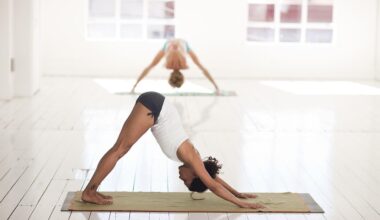
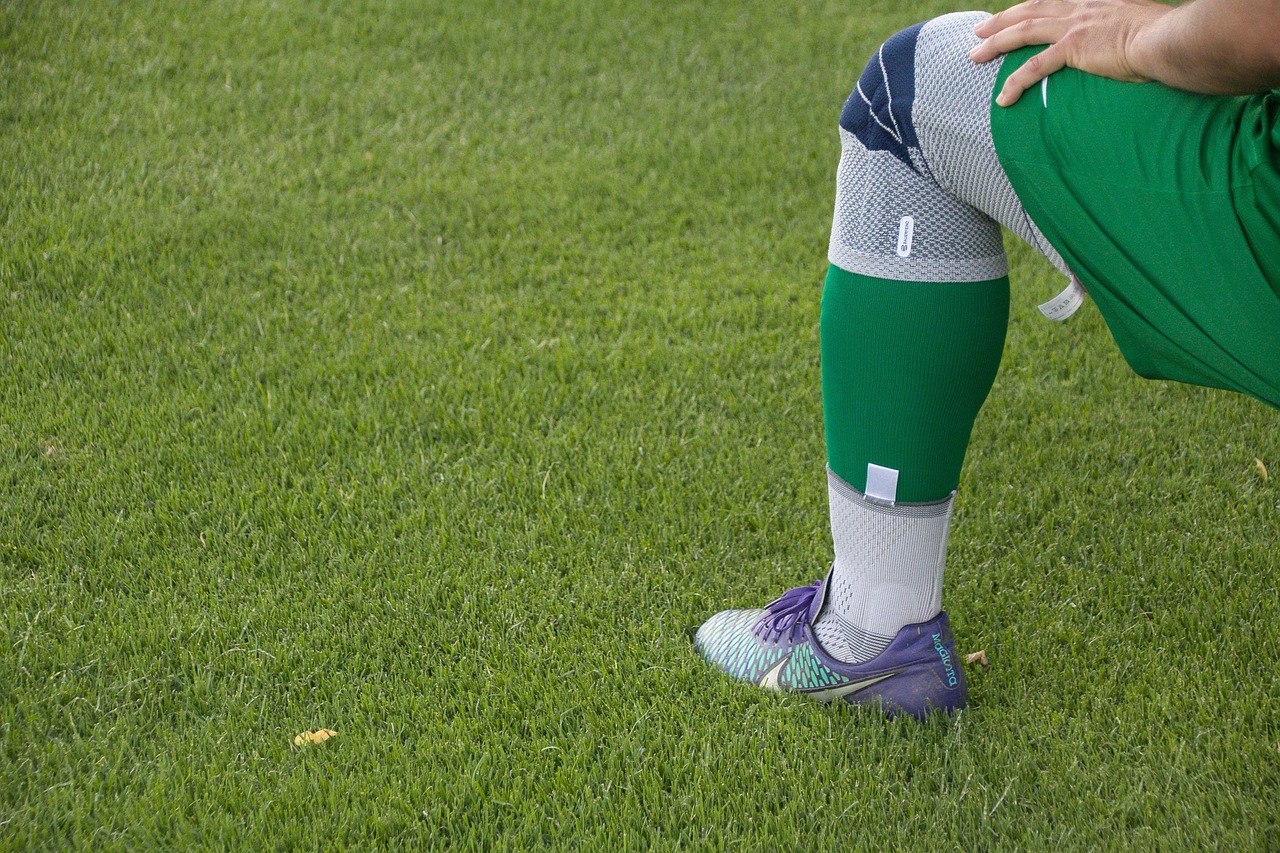
In addition to structured rehabilitation sessions, incorporating knee-friendly activities into your lifestyle can further aid in injury prevention. Low-impact exercises, such as swimming and cycling, provide excellent cardiovascular benefits while reducing stress on the knee joint. These exercises allow you to maintain fitness levels during the recovery phase without aggravating the knee. Walking is another excellent option to promote mobility without excessive strain on the knees. Aim for regular walking sessions and avoid overexerting yourself, focusing on duration rather than intensity. Yoga or Pilates can also enhance flexibility and core strength, both essential for supporting the knee joint. Many of these practices incorporate movements that promote balance and posture, critical components in preventing knee injuries. Always ensure you’re practicing proper form during any exercises to avoid placing additional stress on your knees. Utilizing supportive footwear and considering appropriate surfaces for activities can help minimize injury risks. Pay attention to your body’s signals, making adjustments where necessary to ensure a safe and effective rehabilitation journey.
Consultation with Professionals
Consulting with healthcare providers throughout the rehabilitation process is crucial for ensuring effective guidance and support. Physical therapists are trained experts in designing tailored rehabilitation programs that cater to your specific needs and conditions. They can conduct thorough assessments of your injuries, developing a plan that incorporates appropriate exercises to strengthen the knee while accommodating any limitations. Additionally, they can monitor progress and make adjustments as necessary. Working with a coach, trainer, or wellness professional can also help enhance your approach to rehabilitation, increasing its effectiveness. They can provide insights into proper biomechanics and training techniques, ensuring you execute movements safely. Regularly following up with your healthcare provider can inform necessary interventions or necessary imaging if recovery is not progressing as expected. They can also provide education on injury prevention strategies for long-term knee health. Ultimately, seeking professional help ensures a holistic view of your rehabilitation journey, leading to improved outcomes and longevity in your physical activities. Remember that each individual’s journey is unique, and professional support can help navigate these variations.
Finally, maintaining a proactive mindset towards knee injury prevention is essential for long-term health. Emphasize the importance of combining effective rehabilitation with injury preventive measures. Adopting a holistic approach includes understanding your body, recognizing your limits, and maintaining a routine that prioritizes knee health. Beyond rehabilitation exercises, maintaining healthy weight levels plays a significant role in minimizing pressure on the knee joints. Excessive weight can lead to increased wear and tear, making the knee more susceptible to injuries. It is also important to ensure that your training regimen is well-balanced, allowing for adequate recovery without excessive strain. Educate yourself on proper warm-up and cool-down routines specific to your sport or activity. This reduces muscle tightness and prepares your joints for movement. Awareness of proper footwear and equipment is also crucial, as the right support can significantly affect knee alignment and functionality. Finally, incorporating regular assessments and adjustments to your training regimen can help keep your body functioning optimally. A personalized approach nurtures your knees towards a healthier, injury-free future.