
How to Build a Personalized Bench Press Training Program
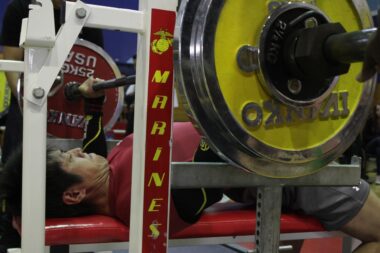
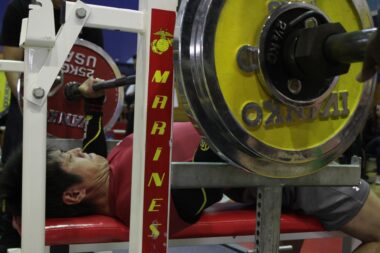
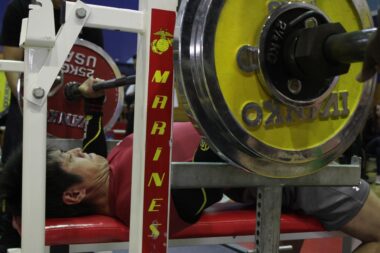
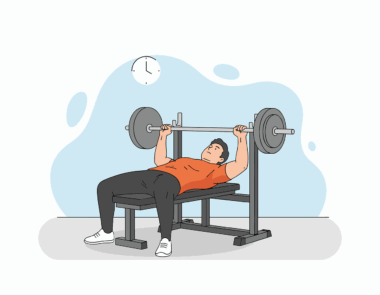
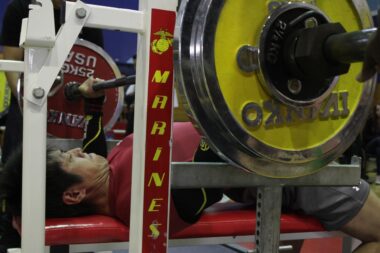
Building a personalized bench press training program requires a thorough understanding of your current strength levels, goals, and techniques that promote injury prevention. Start by assessing your current bench press: how much weight can you comfortably lift? Understanding your one-rep max will allow you to determine your training percentages. Consult a strength training chart or partner to guide this process. Identify your primary goals: Are you aiming for increased strength, muscle hypertrophy, or endurance? Your focus will heavily influence your program design. Importantly, factor in your workout frequency; typically, bench pressing two to three times per week can be optimal for most lifters. Incorporate variations such as incline and decline presses to target different muscle fibers and prevent plateaus. It’s crucial to document your progress weekly: noting both reps and weights will provide motivation and adjustment points. Lastly, consider your recovery strategies including adequate sleep and nutrition, vital components often overlooked in strength training programs. By carefully planning each aspect, you can create an effective bench press training regimen tailored to your specific needs.
As you formulate your personalized program, ensure that you incorporate proper warm-up routines to minimize injury risk. An effective warm-up might involve dynamic stretches focusing on the shoulders, chest, and triceps — think arm circles and push-ups. After your warm-up, gradually introduce heavier weights in your initial sets to prepare your muscles for intense resistance. A common structure for a bench press workout may be the use of pyramid or linear progression styles, where you gradually increase weights over time. During this phase, remember to focus on your form; alignment, grip width, and breathing are crucial to maximizing power output. Engage your core during lifts, as it stabilizes your entire body while pressing. Moreover, consider periodization: varying your training intensity across cycles will prevent overtraining and allow for optimal muscle recovery. For beginners, cycles of three to four weeks focusing on higher repetitions followed by a week of lower repetitions at higher weights can be beneficial. This strategy encourages growth and prepares your body to lift heavier weights effectively, ultimately leading to gains.
Progressive Overload and Its Importance
Progressive overload is a fundamental principle in strength training that emphasizes gradually increasing resistance to stimulate muscle growth. Within your personalized workout program, systematically increase either the weight you lift or the number of repetitions while maintaining proper form. For example, if you bench press 150 pounds for ten reps, aim for 155 pounds the next week while maintaining that rep count. It’s essential to only increase resistance when you can do so without sacrificing your lifting technique. Additionally, measure your progress meticulously by keeping a training log. Document weight lifted, repetitions, and even subjective ratings of perceived exertion. This ongoing record will help personalize future workouts based on your observed results. Consider implementing deload weeks after several weeks of progressive overload, which consist of reduced intensity to facilitate recovery. Deloading prevents fatigue and keeps your strength gains steady in the long run. Lastly, remember that progressive overload isn’t solely about weight; altering grips or intensity can provide fresh stimuli, further enhancing your development.
Nutrition and recovery play a vital role in supporting your bench press training program. Prioritize a balanced diet rich in protein, carbohydrates, and healthy fats. Proteins, the building blocks of muscle, help in recovery and growth, making them essential pre- and post-workout. Aim for a protein intake of approximately 1.6-2.2 grams per kilogram of body weight, depending on your goals. Include quality carbs in your meals, like whole grains and fruits, to provide the necessary energy for effective workouts. Post-exercise, refuel with a meal containing both protein and carbohydrates to assist in muscle recovery. Hydration cannot be overlooked; being adequately hydrated enhances performance and aids recovery. Aim for consistent water intake throughout the day, particularly before and after workouts. Moreover, be mindful of micronutrients; minerals like magnesium and potassium support muscle function and prevent cramping. Consider consulting with a nutritionist to fine-tune your meal plan to align with your training goals, leading to better performance and more effective workouts overall.
Incorporating Accessory Movements
In your bench press training program, accessory exercises are crucial for overall strength enhancement and injury prevention. Accessory lifts, such as dumbbell presses, tricep dips, and chest flyes, aim to strengthen the muscles surrounding the primary bench press muscles — your chest, shoulders, and triceps. By integrating these movements into your routine, you promote balanced muscle development and reduce the risk of injury due to imbalances. Essential movements like shoulder presses and rows will also fortify your upper body. Additionally, incorporate back strengthening exercises to combat the potential anterior shoulder tightness that often results from frequent bench pressing. Aim to include accessory lifts 1-2 times weekly, giving specific attention to your weak points. Programming these lifts following your main bench press sets can yield excellent results, as your muscles are still warmed up and engaged. When selecting accessory exercises, prioritize those that allow full range of motion, promoting flexibility while developing strength. Over time, as your bench press progress, continuously evaluate if your current accessory movements address the emerging weak points in your pressing technique.
Recovery should remain a core focus as you train for the bench press; it’s not just about lifting weights. Take note of how your body responds during training cycles, adjusting your program based on feedback. Prioritize rest days after intense bench press sessions where you follow your current training regimes. This can include complete rest or engaging in lighter cardio and mobility-focused sessions. Additionally, consider methods like foam rolling or active stretches to prevent soreness and keep your muscles limber. Include sleep hygiene practices; quality sleep is essential for muscle repair and overall performance. Aim for 7-9 hours per night, creating a consistent bedtime and waking schedule. Listening to your body is paramount; if you feel fatigued or unmotivated, it may signal a need for additional recovery. Mental conditioning is equally important — practicing visualization techniques before lifting can enhance your focus and confidence. Staying motivated through various methods, like training with a partner or enlisting a coach’s assistance, can optimize your experience while training. Remember, a program designed around balanced training, nutrition, and recovery will yield the best fitness outcomes.
Monitoring Progress and Making Adjustments
As you continue with your personalized bench press program, it’s crucial to regularly monitor your performance while making necessary adjustments to your plan. Tracking your progress involves more than just noting the weights you lift; documented metrics like volume, intensity, and personal feelings during workouts provide a full picture of your development. By keeping a comprehensive log, you can spot patterns and recognize when something isn’t working well, allowing for timely modifications. If you’re consistently struggling to hit specific weight targets, reevaluate your training variables like reps or set schemes, since they may need adjusting to stimulate further strength gains. Likewise, examine nutrition and recovery habits — if you find energy levels are not optimal, it may be time to switch your dietary approach or incorporate additional rest days. Just as important is the need for psychological evaluation; jotting down how you feel about workouts can influence your commitment. Consider taking break periods every few months to allow for recovery and reset your body, making future progress smoother and more sustainable.
Ultimately, creating a personalized bench press training program is a dynamic process requiring commitment and continual learning. Establish short and long-term goals that will keep you motivated and guide your future training paths. Establish a regular schedule, commit to the quality of your exercises, and refine your technique with each lift. This commitment will foster lifelong healthy lifting habits and will gradually transform your performance over time. As you progress, celebrate your achievements, whether big or small, as they reflect your dedication. Ensure to adapt as you evolve: fitness is not a one-size-fits-all approach; hence responsiveness to the evolving changes in your body and strength will allow optimal results. Engage with communities, forums, or social media groups to gain insights, share experiences, and find encouragement during challenging phases. Remember to enjoy this process; developing your bench press abilities is not just about weight lifting but also personal growth and physical empowerment. Ultimately, by engaging with all aspects discussed, you will create an effective bench press training program that’s tailor-made for your needs and aspirations.