
Common Bench Press Mistakes and How to Avoid Them
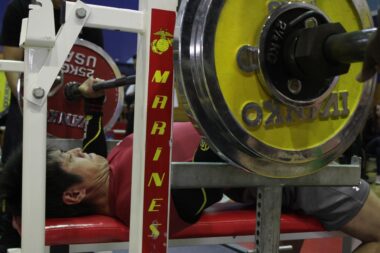
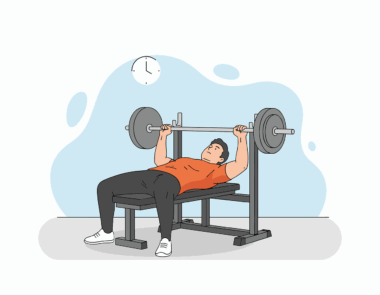
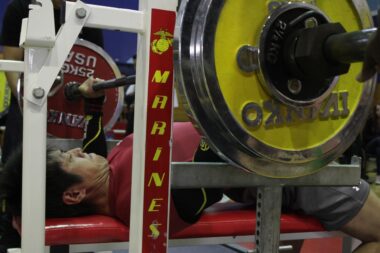
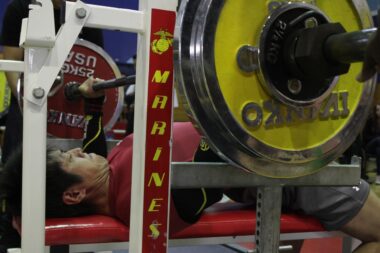
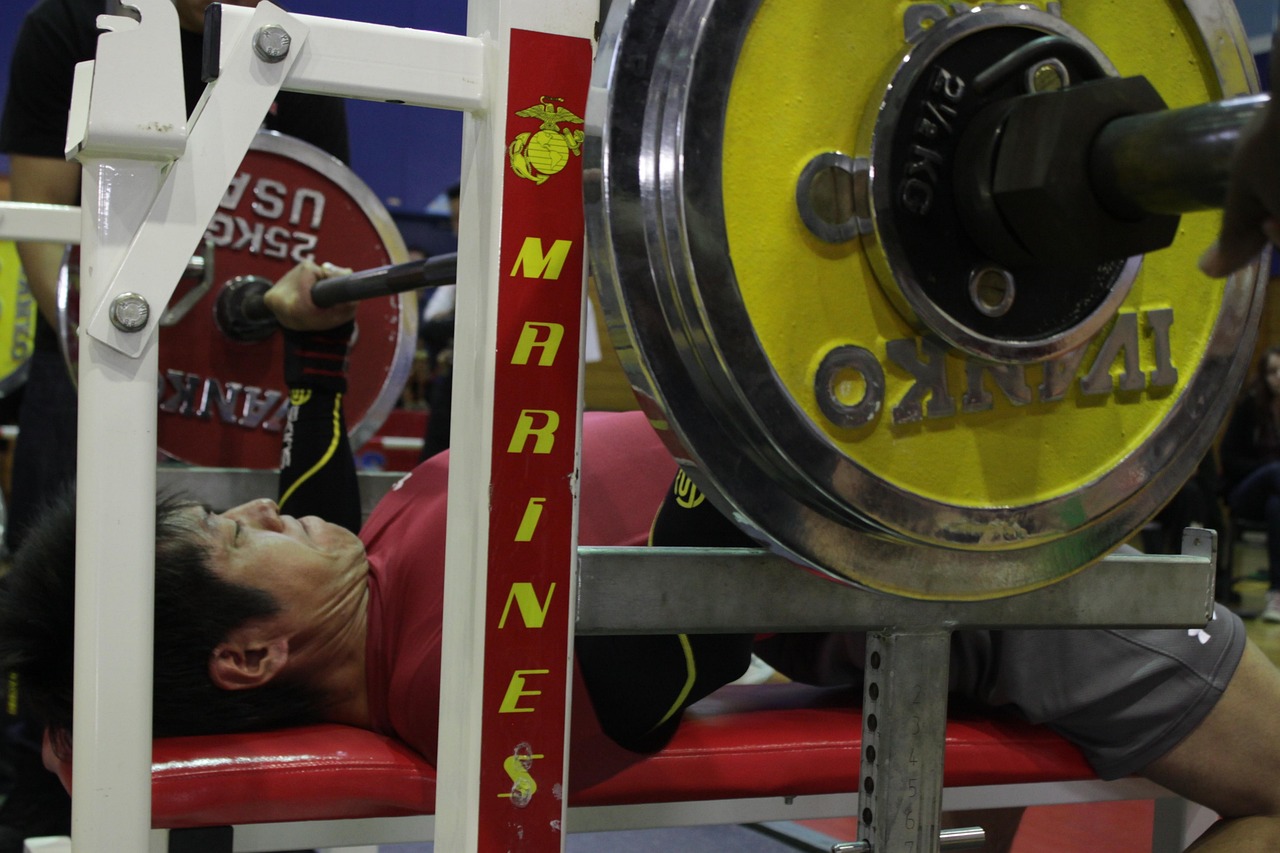
The bench press is a widely performed exercise, but many lifters make mistakes that hinder their results. Understanding these common pitfalls is essential for optimizing technique. One significant mistake is failing to maintain correct foot placement. Your feet should be firmly planted on the ground, providing stability and support. Lifting your feet off the ground can lead to an unstable lift and increase the risk of injury. Another error is improper grip width. Your hands should be positioned so that when the barbell is lowered, your elbows are at about a 45-degree angle to your body. A grip that’s too wide or narrow can cause strain on your shoulders. To avoid these issues, focus on your foot placement and grip width during warm-ups. Additionally, consider using a mirror or recording your lift to analyze your form. Seeking feedback is invaluable for newcomers and seasoned lifters alike. Ensuring a strong foundation is critical for a successful lift, and avoiding these mistakes can lead to a more effective bench press routine and improved strength development.
A common bench press mistake involves letting the bar drift too far forward. When the bar moves away from your body, it increases the risk of shoulder injury and reduces the efficiency of the lift. To combat this, concentrate on keeping the bar in a straight line over your chest throughout the movement. This positioning ensures that your arms and shoulders engage effectively, allowing for maximal force development. Focusing on a controlled descent and a powerful ascent is crucial for achieving your lifting goals. Also, be mindful of your back arch during the lift. Some lifters create excessive arching, which can lead to injury over time. Strive for a neutral spine position and avoid excessive hyperextension. Maintaining a stable core throughout the lift is important for overall safety and effectiveness. Furthermore, ensure that your elbows remain tucked during the press. This positioning helps protect your shoulders and promotes better leverage. Training with a qualified coach can be invaluable in correcting these technical mistakes. Engaging in drills that isolate proper form can significantly enhance your bench press performance and injury prevention practices.
Warming Up Effectively
A proper warm-up is essential for any weightlifting activity, particularly the bench press. Many lifters skip adequate warm-up routines and dive straight into heavy sets. This lack of preparation can limit performance and increase injury risk. Begin your warm-up with lighter weights to prepare your muscles and joints for the upcoming load. Use resistance bands for activation, and perform dynamic stretches targeting your chest, shoulders, and triceps. Gradually increase the weight during warm-ups, while focusing on form. Pay attention to what feels right as you perform these lifts. Additionally, integrating movements such as push-ups or incline presses can further prepare your body. Ensure to activate stabilizing muscles, as they play a crucial role in maintaining a strong position. Flexibility is also essential; improving your range of motion can help in achieving a better lift. A proper warm-up can increase blood flow and enhance your performance on the bench press. Remember that performance is linked directly to preparation; neglecting your warm-up can derail your lift quality and overall progress. Incorporate these strategies regularly to maximize your training sessions.
Another mistake that lifters make during the bench press is not utilizing a full range of motion. Many individuals only lower the bar halfway, which limits strength development. Full range of motion maximizes the benefits of the exercise, contributing to improved muscle growth and strength. Strive to lower the barbell until it just touches your chest, ensuring you engage the chest fully during each rep. Furthermore, don’t rush the lift; take your time and focus on control both during the descent and ascent. Eccentric movements, or the lowering phase, are crucial for muscle growth. Slow down your movements to improve strength; this application can lead to incredible gains over time. It’s also essential to avoid uneven lifting, which can result in muscular imbalances and potential injury. Ensure that both arms are engaged evenly and apply the same force on both sides of the barbell. Using proper spotters can help ensure safety and offer feedback. Lastly, consider alternative variations to the bench press like incline or machine presses to target specific muscle groups. Variation can prevent stagnation and improve overall performance.
Importance of Consistency
Consistency is key to improving your bench press performance. Too often, lifters adopt a sporadic approach, leading to minimal progress. Establishing a structured training routine allows for systematic strength gains while reducing injury risks. Schedule bench press workouts at least once a week, progressively increasing weights when you feel comfortable. Regularly revisiting your lifting goals helps maintain motivation. Set specific targets, such as improving your one-rep max or increasing repetitions. Tracking your workout sessions in a fitness journal not only provides accountability but also allows for benchmark assessments. Additionally, make time for recovery; your muscles require rest to heal and grow stronger. Ensure to balance your bench press training with complementary exercises targeting opposing muscle groups, such as rows or pull-ups. Incorporate variations that challenge your stability and strength to maintain interest and motivation. Prioritize sleep and nutrition, as they underpin effective recovery. Proper fueling helps your body build muscle and enhance performance. Make adjustments based on your progress, and seek guidance if your growth plateaus. Building a consistent routine fosters long-term success and keeps you engaged in your fitness journey.
Proper breathing during the bench press can impact your performance and safety significantly. Many lifters forget to breathe correctly, which can lead to strength loss and unnecessary strain. Inhaling during the eccentric phase while lowering the bar and exhaling during the concentric phase when pressing up creates a rhythm that helps maximize strength. This breathing technique stabilizes your core and allows for better control throughout the lift. Additionally, remember to engage your lats before starting; this helps in creating a solid base and enhances the stabilizing effects of your body. Develop a strong mind-muscle connection; maintain focus on your form as you press. Over time, this practice will bolster your mind-body coordination, improving lift efficiency. Take the time to practice your breathing patterns during warm-ups to solidify these habits. Focusing on breathing techniques while training aids long-term muscle development. Incorporate deep breathing exercises into your training regimen. Techniques like diaphragmatic breathing can improve overall respiratory function and boost athletic performance. Mastering your breathing can also enhance mental focus, contributing to a more effective workout experience and increased power output.
Conclusion and Next Steps
To conclude, proper bench press techniques are fundamental for optimal strength training. By identifying common mistakes and implementing corrective measures, you can achieve substantial improvements in your performance. Begin by assessing your foot positioning, grip width, and range of motion during each workout. Develop a consistent warm-up routine to prepare your body adequately for heavy lifting. Focus on maintaining stability, engaging your core, and practicing proper breathing techniques to enhance effectiveness. Incorporate various bench press exercises and complementary lifts that strengthen inversely related muscle groups. Prioritize recovery, nutrition, and sleep to ensure optimal muscle growth. Staying committed to your fitness journey will yield positive results. Always approach weightlifting with a mindful attitude; progress takes time and dedication. Regularly seek feedback from peers or coaches to fine-tune your technique. Consider documenting your progress in a fitness journal, allowing for reflection and adjustment. Each training session, with its unique challenges, augments your overall experience. By strategically avoiding common mistakes, committing to consistency, and fostering the right mindset, your bench press skills will reach new levels. Embrace the challenge, stay disciplined, and enjoy the journey.
Citations
For more resources and detailed information related to bench press technique, you can visit authoritative sites such as Bodybuilding.com or Nerd Fitness. These platforms provide expert advice and guidance on exercise techniques, nutritional information, and personal training support. Investing time in proper research will undoubtedly enhance your understanding. Reading articles, watching instructional videos, and even attending workshops can provide significant value. With adequate preparation and knowledge, you will be equipped to maximize your bench press effectiveness while minimizing the risk of injury. Remember that improving in weightlifting is a gradual process; patience and perseverance are crucial. Regularly reassess your performance, and be open to learning from both successes and setbacks. Consider joining local weightlifting clubs or online forums for added support. Engaging with like-minded individuals encourages accountability and community. Working together with others who share your fitness goals can make a considerable difference in your progress. Remember, every bit of knowledge contributes to your overall performance. Good luck with your training!