
Top 10 Plant-Based Superfoods for Muscle Building
Building muscle mass can be a challenge, especially for those following vegetarian or vegan diets. Luckily, there are numerous plant-based superfoods that can contribute significantly to muscle growth. Superfoods are nutrient-rich foods that are excellent sources of proteins, carbs, and healthy fats. Vegetarians and vegans can benefit from incorporating these foods into their diet. These options not only provide vital nutrients necessary for muscle recovery but also boost overall health. Whether you’re looking to increase muscle mass, improve stamina, or support recovery, these superfoods can help meet your nutritional needs effectively. The focus should be on foods that supply adequate protein, essential amino acids, and micronutrients. In this article, we will explore the top 10 plant-based superfoods for building muscle, detailing their benefits and how to incorporate them into your diet. By integrating these foods into your meals, you’ll ensure your muscles receive the nutrients they require to thrive, respond well to workouts, and get the most from your endurance training sessions. Keep on reading for a deep dive into these plant-based powerhouses.
1. Quinoa – The Complete Protein
Quinoa deserves to be at the top of the list, as it is often called a complete protein. In addition to containing all nine essential amino acids, it is rich in fiber, vitamins, and minerals. This superfood can help provide the necessary energy for intense workouts, making it a popular choice among athletes. Quinoa can also be easily incorporated into a variety of dishes, from salads to stir-fries. Half a cup of cooked quinoa delivers about 4 grams of protein, making it an excellent addition to any meal. Not only does it help in muscle repair, but its low glycemic index can also supply sustained energy levels throughout the day. Pairing quinoa with beans or lentils enhances its protein profile even further. Try adding cooked quinoa into your post-workout smoothie or use it as a base for your lunch bowl. Its mild flavor and versatility make it a staple for anyone serious about building muscle on a plant-based diet. Make sure to rinse it well before cooking to remove any bitterness originating from saponins.
Lentils are another remarkable superfood that you should consider for muscle building. They are an excellent source of protein, fiber, and various nutrients like iron and potassium. Lentils contain about 18 grams of protein per cooked cup, making them a powerful ally in your muscle-building journey. Their high fiber content keeps you satiated, ensuring you don’t overeat. Lentils also aid in digestion and help regulate cholesterol levels, contributing to heart health. These legumes are easy to cook and can be added to soups, stews, or salads for an energy-boosting meal. Dal, a traditional Indian dish made with lentils, is not only delicious but also packs a protein punch for muscle recovery. Additionally, lentils are high in antioxidants, which can reduce inflammation and support recovery time. Choose from various types: green, brown, or red lentils, each performing well in various recipes. Incorporating lentils into your diet can significantly enhance your protein intake and provide the essential building blocks necessary for muscle synthesis. They are a cornerstone for vegans and vegetarians seeking to maximize muscle growth.
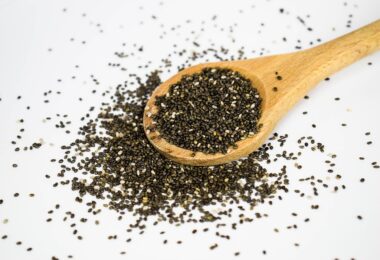
3. Chia Seeds – Tiny but Mighty
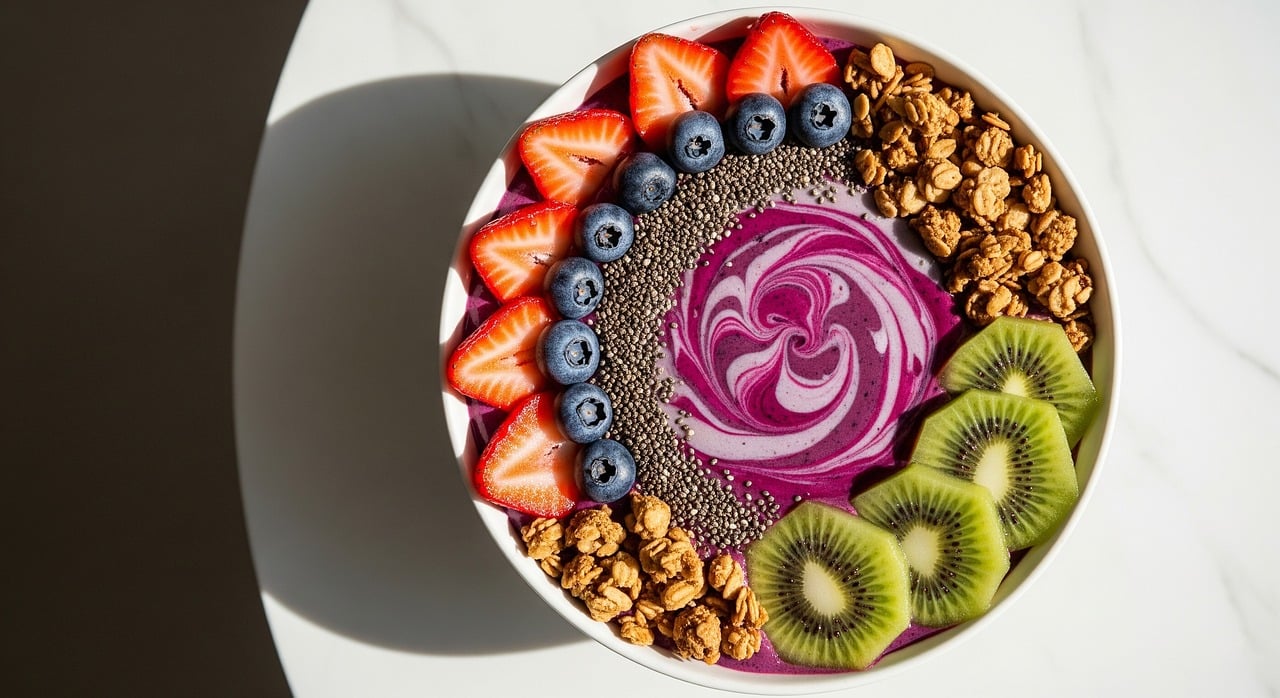
Chia seeds may be small, but they pack a huge nutritional punch, making them a fantastic addition to any muscle-building diet. These tiny seeds are rich in omega-3 fatty acids, fiber, protein, and antioxidants. A 28-gram serving of chia seeds provides about 5 grams of protein, which can contribute significantly to your daily intake. They can easily be mixed into smoothies, oatmeal, or yogurt for added nutrition. Moreover, chia seeds absorb water and expand, helping to keep you hydrated and full longer. This makes them a great option for those looking to maintain energy levels during workouts. They are also beneficial for heart health, thanks to their high omega-3 content. You can experiment with chia seed pudding, where mixing them with plant-based milk creates a delicious and nutritious breakfast treat. Chia seeds can also be ground into powder and added to baked goods or homemade protein bars. By incorporating chia seeds into your diet, you enhance your nutrient intake while supporting your fitness goals effectively.
Pea protein is an increasingly popular meat alternative among vegan athletes, making it an essential superfood for muscle building. Rich in essential amino acids, particularly branched-chain amino acids (BCAAs), pea protein bursts with nutritional benefits. A single serving provides around 20-25 grams of protein, making it an excellent option to complement plant-based diets. Unlike some other protein sources, pea protein is hypoallergenic and easy to digest, which is a plus for those with dietary restrictions. It’s also a great option for anyone looking to build lean muscle without the bulk of animal protein. This powder can be used in smoothies, baked goods, or savory dishes to boost protein levels effortlessly. Pea protein also helps regulate appetite, making it easier to manage weight during a fitness journey. By integrating this versatile protein source into your daily meals, you can support your muscle repair and growth needs while maintaining a balanced diet. Furthermore, it combines well with other plant proteins for a complete amino acid profile. Pea protein powder is definitely a must-have in any muscle-building regimen.
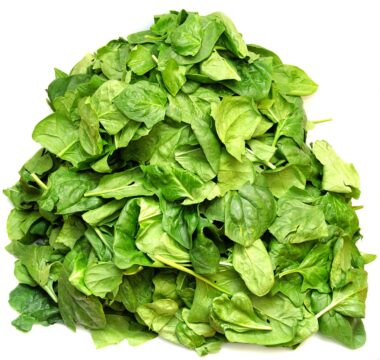
5. Spinach – Nutrient-Dense and Versatile
Spinach is often touted as a superfood for many reasons, particularly its high levels of vitamins and minerals. This leafy green is loaded with iron, calcium, and various important nutrients, which help support muscle function and repair. Iron is critical for oxygen transportation to muscles, enhancing overall performance during workouts. Cooked spinach contains more nutrients per calorie than almost any other food, making it especially beneficial for a plant-based diet. Incorporating spinach into your meals can be as simple as tossing it into salads, smoothies, or pasta dishes. You can sauté spinach for a tasty side or mix it into soups. Spinach’s versatility makes it easy to add to nearly any meal, providing an abundance of health benefits. Additionally, its antioxidant properties can combat oxidative stress, enhancing recovery after strenuous workouts. Green smoothies loaded with spinach provide an energizing yet low-calorie option for breakfast. Using spinach continuously in your diet will not only improve your muscle-building potential but will also enhance your overall well-being.
Nut and seed butters serve as an excellent source of healthy fats and protein for muscle building. Options such as almond, peanut, or sunflower seed butter can crank up your daily caloric intake while providing essential nutrients. Nut butters deliver around 7 grams of protein per two-tablespoon serving, along with healthy monounsaturated fatty acids. These are great for fueling muscles before and after workouts, supporting recovery. They are easy to incorporate into meals or snacks, whether slathered on toast, added to smoothies, or eaten straight from the jar. Another huge benefit is that they are packed with vitamins like vitamin E and magnesium, crucial for muscle function. If you are looking for a quick energy boost, nut butters are perfect for this purpose. Make sure to choose varieties without added sugar or oils for the healthiest option. You can even create homemade nut butters for fresher flavor and control over ingredients. Overall, nut and seed butters are versatile superfoods that add tremendous value to a plant-based muscle-building diet.
7. Edamame – A Plant-Based Protein Source
Edamame refers to young green soybeans and is a popular snack that provides a fantastic source of plant-based protein. A cup of cooked edamame contains almost 17 grams of protein, phenomenal for those aiming to build muscle. They are rich in essential amino acids and micronutrients like folate and vitamin K. Their delicious, slightly nutty flavor makes them appealing, whether enjoyed steamed, tossed in salads or added to stir-fries. Besides being a high-quality protein source, edamame also offers fiber, which supports digestion and helps maintain a feeling of fullness. It can be a great option to fuel your workouts or serve as a post-workout snack for recovery. As a versatile food, they can easily fit into various cuisines or be used as a component in plant-based burgers for added texture and taste. Opt for fresh or frozen edamame to retain their nutritional value. Incorporating them into your meals and snacks can ensure you receive the energy needed for muscle growth while enjoying a delightful taste experience.