
The Role of Iron in Vegan Nutrition and How to Meet Your Daily Needs
Iron is a crucial mineral that plays multiple essential roles in the human body, particularly for those following a vegan diet. Vegans can struggle to obtain sufficient iron due to the absence of animal products, which are typically rich in heme iron. This form of iron is absorbed more efficiently than non-heme iron found in plant-based sources. Understanding how to incorporate iron-rich foods effectively into a vegan diet is vital for preventing iron deficiency and promoting overall health. In doing so, one can ensure adequate energy levels, enhanced cognitive function, and improved immune support. Some common plant-based sources of iron include legumes, tofu, fortified cereals, dark leafy greens, seeds, and nuts. Consideration of other dietary factors, such as vitamin C, can significantly boost iron absorption. By combining iron-rich foods with vitamin C sources like citrus fruits or bell peppers, you can optimize your intake. Awareness of your individual dietary needs and planning meals accordingly can contribute to better nutritional health outcomes. Always consult with a healthcare professional to address iron intake and overall nutritional status.
Types of Iron: Heme vs Non-Heme
Understanding the two types of iron is essential for anyone concerned about their dietary needs, especially vegans. Heme iron is primarily found in animal products and is known for its superior bioavailability, meaning it gets absorbed more efficiently by the body. Non-heme iron is found in plant sources but is less easily absorbed due to factors such as phytates and tannins that inhibit its uptake. Vegans are encouraged to consume more non-heme iron but must also be mindful of increasing absorption through dietary strategies. Including sources of vitamin C can enhance the absorption of non-heme iron significantly. Foods rich in vitamin C include oranges, strawberries, kiwis, and bell peppers, which can be paired with iron sources in meals. It’s also worth noting that cooking methods, such as soaking or sprouting legumes and grains can reduce the levels of inhibitors and retain more iron. Moreover, be conscious of drinking tea or coffee during meals, as these beverages can hinder iron absorption due to their tannin content. By being proactive about iron sources and carefully planning your meals, you can meet your nutritional requirements.
Common symptoms of iron deficiency often include fatigue, weakness, and pale skin. For vegans, it’s crucial to monitor these symptoms and consider the various dietary factors influencing iron status. Since non-heme iron can be less bioavailable, individuals may find it beneficial to incorporate a variety of sources into their meals, such as lentils, chickpeas, quinoa, and fortified plant milks. Choosing iron-fortified foods can also help in reaching daily requirements. Furthermore, whole grains and seeds should not be overlooked since they can contribute to overall iron intake. Scheduling regular check-ups with a healthcare provider can provide essential data, enabling effective monitoring of iron levels. Blood tests are often necessary to assess iron levels, including ferritin, hemoglobin, and transferrin, offering vital insights into an individual’s status. Many health professionals suggest maintaining a balanced diet that includes enough quantities of these foods. A customized meal plan can ensure you efficiently cover your daily iron needs. Remember to listen to your body and adapt your nutritional strategies to address your specific lifestyle and needs.
Food Pairing for Improved Iron Absorption
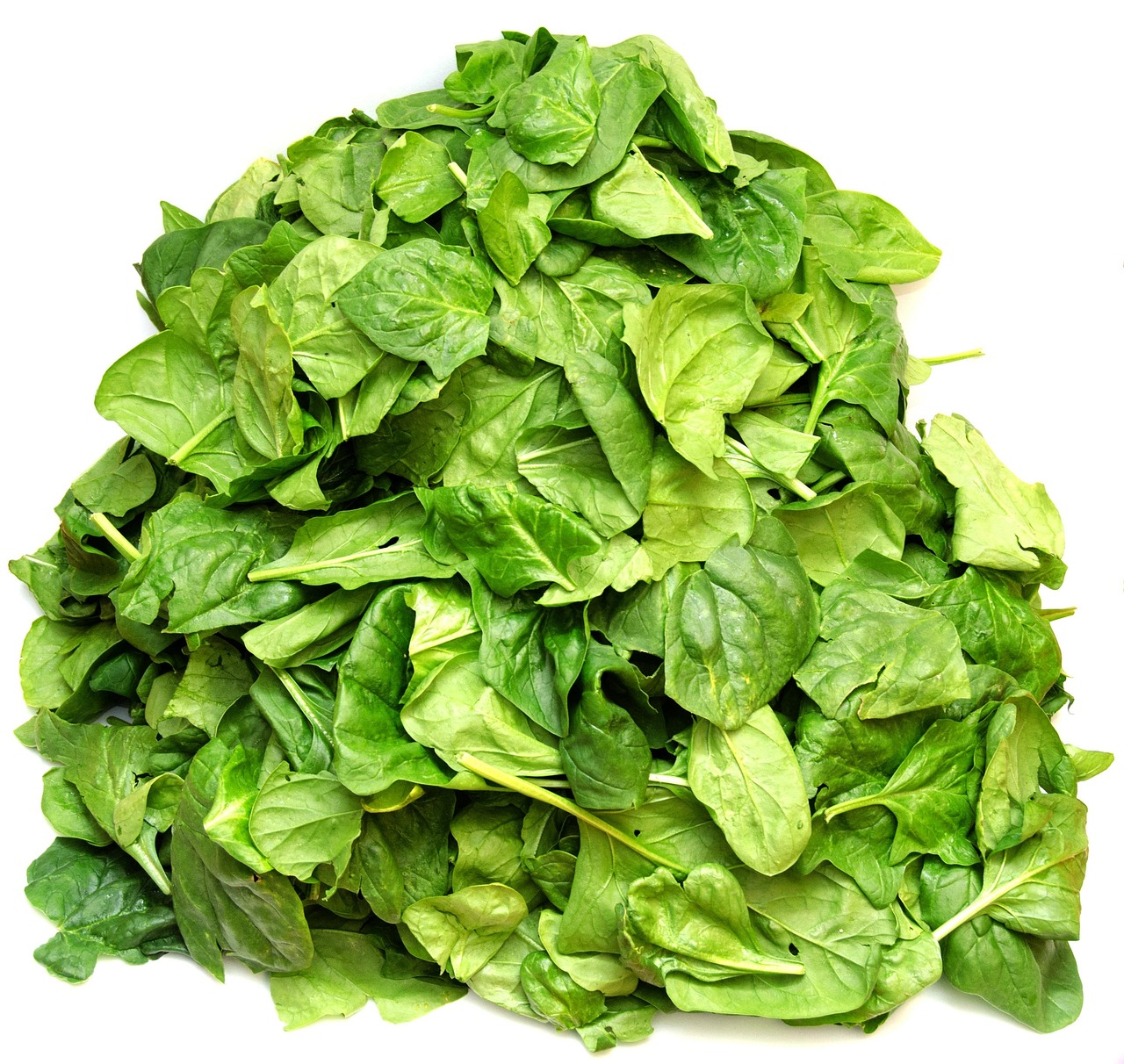
Maximizing iron intake and absorption requires a strategic approach to food pairing. To enhance your iron absorption, consider combining non-heme iron sources with vitamin C-rich foods. For instance, a spinach salad topped with citrus fruits or a quinoa bowl with bell pepper salsa can significantly increase iron bioavailability. Additionally, cooking certain vegetables can help reduce phytate levels, enhancing the absorption of iron when consumed together with whole grains. Moreover, employing techniques such as frying tofu or beans can also improve iron absorption through changes in the food matrix. On the other hand, avoid consuming calcium-rich foods along with your iron-rich meals, as calcium can compete with iron for absorption. Similarly, limiting foods and drinks high in polyphenols, like coffee and tea, during meal times is essential for maintaining high iron levels. By planning meals to include supportive food combinations, vegans can optimize their dietary iron. The right food pairings not only boost iron absorption but also add flavorful and nutritious components to meals. Always consider diverse food pairings to fulfill iron requirements and promote better health.
Supplementation may occasionally be necessary for vegans who struggle to maintain adequate iron levels through diet alone. Your healthcare provider can recommend specific iron supplements tailored to individual needs and monitor for potential side effects. Ferrous sulfate and ferrous gluconate are common forms of iron supplements. It’s critical to start any supplementation with caution, as excessive iron intake can lead to toxicity. Following guidelines and seeking personalized advice based on blood work and dietary habits can help mitigate risks. Additionally, food-based iron supplements derived from plant sources are also available. These can be a suitable option for individuals looking for a plant-based approach without adverse side effects often associated with synthetic forms. Maintaining open communication with a healthcare provider while beginning supplementation can ensure iron levels remain at optimal levels. Furthermore, consider incorporating new recipes that highlight iron-rich ingredients. Engaging in cooking and meal preparation can make the pursuit of adequate nutrition enjoyable and educational. By embracing creativity in the kitchen, vegans can truly enrich their diets and meet their iron requirements.
Tips to Incorporate More Iron in Your Diet
To effectively incorporate more iron into a vegan diet, there are several practical tips to consider. Firstly, aim for balance by including a variety of iron-rich foods daily, ensuring ample sources are available at every meal. Explore new recipes that focus on ingredients like lentils, chia seeds, and dark leafy greens. For breakfast, experiment with fortified cereals or oatmeal mixed with nuts and seeds. Lunchtime can feature hearty bean salads or whole grain wraps filled with vegetables and hummus. Dinner can effortlessly include stir-fried vegetables with tofu over a bed of brown rice or quinoa. Snacks like pumpkin seeds or energy bars made with dates and nuts can reliably support your iron needs throughout the day. Moreover, staying informed about vegan sources of iron will empower you to make better dietary choices. Keep track of food labels, especially for fortified items, and educate yourself about the iron content in various ingredients. Additionally, engaging in communities can offer support and inspiration in navigating vegan nutrition effectively. Embrace the journey and be open to learning as you balance flavor and nutrition!
Engaging in regular physical activity can also support overall health and well-being, while promoting better iron absorption in those consuming a vegan diet. Exercise often stimulates blood flow and can contribute to improved nutrient distribution throughout the body, affecting overall iron availability. It’s essential to maintain a healthy lifestyle that complements your nutritional choices, enhancing energy levels and reducing feelings of fatigue. Keep experimenting with diverse plant-based recipes that promote iron intake while enjoying the flavors of different cultures. Do not shy away from spices and herbs that can elevate your dishes and transform ordinary meals into extraordinary experiences. Seeking guidance from nutritionists or health professionals can provide personalized advice tailored to your lifestyle, ensuring you remain healthy and vibrant. Make a conscious effort to track your nutritional intake without obsessive monitoring, allowing flexibility while building balanced meals. Engaging with others in cooking and meal preparation can foster a sense of community and accountability, essential components of enjoying a long-term vegan lifestyle. Remember, optimizing your iron intake is a journey; focus on progress rather than perfection in your dietary practices.
The Importance of Monitoring Your Health
Maintaining awareness of your health and nutritional status as a vegan is crucial to achieving and sustaining optimal well-being. Regular consultations with healthcare professionals can help identify potential nutritional deficiencies, including iron. Tracking your dietary intake may be beneficial, particularly focused on iron-rich foods. Utilizing food diaries or apps can assist in monitoring consumption patterns, making adjustments easier. Setting reminders can also encourage you to include a variety of iron sources regularly. Moreover, consider joining vegan health groups or communities where you can exchange tips and experiences with others following similar dietary paths. Sharing recipes, challenges, and successes can create a support network that encourages healthy habits and accountability. Blood tests can be useful for evaluating iron levels and identifying the specific needs of your body to maintain optimal health. Another benefit of focused monitoring is the ability to tailor your diet more effectively based on your individual needs. Lastly, ensure that you are getting yearly health check-ups, including blood work, to give comprehensive insights regarding your iron levels. An informed approach will lead to better choices in your diet and overall lifestyle.