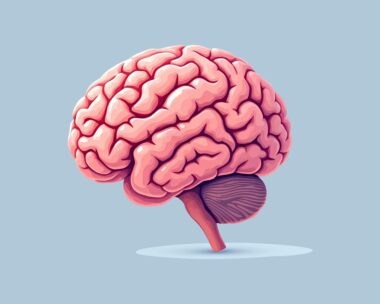

The Science of Sound: Music’s Influence on Physical and Mental Health
Music therapy is an innovative approach that harnesses the power of sound to promote healing for both the mind and body. It focuses on structured interventions using music to achieve specific therapeutic goals. Numerous studies have shown that music therapy can significantly reduce stress, anxiety, and depression, leading to improved mental health. Music’s ability to evoke emotions can support expression and healing in patients with trauma or emotional difficulties. Furthermore, it can aid in pain management, often eliminating the need for certain medications. Different genres of music may produce varying effects; therefore, it is crucial to select the type of music that resonates best with individual patients. Integrating music therapy into treatment plans enhances the overall healing process, providing a more holistic approach to wellness. Research indicates that either passive or active participation in music therapy offers profound benefits. As a result, healthcare professionals include music therapists in multidisciplinary teams to provide a comprehensive treatment approach, maximizing patient outcomes, and satisfaction as well as improving quality of life. By understanding the multifaceted impact of music, practitioners can create tailored therapeutic experiences for their patients, leading to positive health transformations.
Understanding the Mind-Body Connection
The mind-body connection is a complex relationship where emotional and psychological states influence physiological health. Music therapy acts as a bridge connecting these two aspects, allowing individuals to explore their feelings through sound. For instance, listening to soothing music can trigger relaxation responses in the body. This impact can lower blood pressure, reduce heart rate, and lessen muscle tension. In addition, research reveals a correlation between positive emotional states induced by music and improved immune system functioning. When emotions are positively stimulated, neurobiological changes occur that can further enhance physical well-being. Music also engages the brain’s reward system, releasing neurotransmitters like dopamine, essential for feelings of pleasure and motivation. This neurochemical response can bolster mental health, easing stress and anxiety levels. Therapeutic practices utilizing music not only foster emotional healing but also encourage clients to engage in physical activities, thus promoting overall well-being. As the field of music therapy continues to evolve, further exploration of the mind-body connection remains crucial in understanding how therapeutic sound can play a vital role in both mental and physical health recovery. Overall, the interplay of mind and body promotes holistic wellness.
Many health conditions can benefit from the integration of music therapy as a complementary treatment. For example, individuals coping with chronic pain often find comfort in therapeutic music. Studies indicate that rhythmic patterns and soothing melodies can help divert attention from pain, leading to perceived reductions in discomfort. Furthermore, those experiencing terminal illnesses have benefited from music therapy, enhancing their quality of life during critical stages. The therapeutic use of music enables patients to find peace and solace in difficult times. In addition, children with developmental disorders, such as autism, show improved communication and social skills with music therapy interventions. This process facilitates interaction in an enjoyable manner, thereby fostering a sense of belonging and connection with others. Music can also serve as a tool for cognitive rehabilitation, improving memory function in individuals with neurological disorders. Research demonstrates that songs can assist in evoking memories and learning processes. Thus, applying music therapy across diverse populations allows for tailored interventions that meet the unique needs of patients, ultimately enhancing their journey toward recovery and overall wellness.
The Role of Rhythm and Melody in Healing
Rhythm and melody play pivotal roles in the healing properties of music therapy. The engagement of rhythm can stimulate both physical and emotional responses within individuals. Rhythmic patterns are known to influence our body’s natural rhythms, such as heartbeats and breath patterns, promoting synchronization and relaxation. When paired with soothing melodies, these elements can create a calming atmosphere that aids in stress relief. The choice of instruments can also significantly enhance the therapeutic experience. Instruments like the piano, guitar, or even drums provide various auditory stimuli that influence mood and perception. Moreover, melodic structure can elicit emotional responses, allowing individuals to connect deeper with their feelings. In professional practices, skilled music therapists assess clients’ preferences and utilize specific rhythms and melodies to induce relaxation or energize individuals, depending on therapeutic goals. Layering different musical aspects creates a richer experience, fostering joy, nostalgia, and healing. As we delve deeper into how rhythm and melody influence mental health and healing, the vital insights gained can facilitate developing more effective music therapies tailored to individual music preferences and responses.
Several scientific investigations substantiate the therapeutic effects of music on health and well-being. For example, research published in renowned journals reveals that individuals exposed to music exhibit lower levels of cortisol, the hormone associated with stress. This correlation emphasizes the necessity of integrating music therapy into conventional treatment plans. Moreover, studies have shown that patients undergoing surgery or invasive procedures report less anxiety and perceived pain when listening to calming music. The psychological impact of music is evidently profound, influencing thoughts and emotions as well as physical sensations. In addition, research concerning memory shows that musical interventions aid Alzheimer’s patients in recalling memories more effectively. Furthermore, employing music in rehabilitation settings has led to accelerated recovery times and improved cognitive functions. This evidence reinforces the need for healthcare systems to recognize music therapy as a valid therapeutic practice. Also, training healthcare professionals to understand and implement music therapy techniques can benefit patient treatment plans significantly. By embracing the power of sound and its established healing properties, stakeholders can enact change in healthcare practices that promote holistic therapies alongside traditional medical interventions.
Challenges and Future Directions in Music Therapy
Facing obstacles, the field of music therapy continues to evolve and grow within healthcare systems. Awareness of benefits and the necessity of qualified music therapists is vital for optimal patient care. Enabling access to this therapy can be challenging, particularly in less accessible regions where resources may be limited. Moreover, there exists a need for comprehensive training programs to educate healthcare professionals about integrating music therapy into their practice. As research grows and showcases the effects of music, delineating clear guidelines and standardized practices in this field becomes crucial. Expanding this discipline involves forming alliances between musical organizations, healthcare providers, and research institutions to promote education about music therapy’s significance. Furthermore, the incorporation of technology in music therapy, such as virtual sessions or online tools, opens new possibilities in bridging geographical gaps. Personalized music experiences tailored to patients via technology pave the way for innovative treatment paths. Embracing music therapy means enhancing the overall quality of healthcare, ensuring its accessibility, and aligning it with other therapeutic practices to maximize individual patient benefits and therapeutic outcomes.
In conclusion, music therapy is a powerful adjunct to traditional medical treatments that significantly impacts both physical and mental health. By utilizing the mind-body connection, music engages individuals holistically, allowing for various therapeutic experiences tailored to the needs of each patient. This explorative field demonstrates how sound influences emotional and physiological responses, enhancing overall wellness for diverse populations. As clinical evidence supporting its efficacy grows, healthcare providers must continue to advocate for and adopt music therapy as a recognized treatment modality. Research remains crucial to further elucidating the various mechanisms through which music operates therapeutically. Promoting collaborations between healthcare agents and music therapists will catapult this practice further into mainstream healthcare. As awareness expands, training programs can prepare more professionals to wield the power of sound in healing contexts effectively. Ultimately, prioritizing music’s role in health will open new avenues for untreated conditions and contribute to comprehensive, personalized patient care. By embracing and integrating music therapy into healthcare, both patients and practitioners can experience transformative results that can promote harmony within treatment settings, leading to a healthier society overall.
Final Thoughts and Reflections
Music’s inherent complexities and its ability to resonate deeply with the human experience make it an invaluable tool for healing. As a constantly evolving branch of therapy, music therapy reflects a broader understanding of the intertwined nature of mind, body, and spirit. Through utilizing sound and rhythm, we gain insight into the emotional landscapes of individuals, fostering connection, understanding, and support. As this field progresses, it is essential to remain open to innovations and adaptations necessary for its advancement. Future studies must continue highlighting multidimensional frameworks for assessing music therapy’s outcomes and efficacy. Continuous exploration will enrich our understanding of how music can function as a vital component in healing practices across various settings. By prioritizing these endeavors, we can garner further recognition of music therapy, validating its position within the healthcare paradigm. As we anticipate advancements, let us embrace the healing potential of music for all individuals regardless of their challenges. The harmony found within sound may not only offer comfort but could also become a unifying force within approaching healthcare systems. Thus, prioritizing music’s inclusion in treatment strategies heralds a promising future for a more compassionate and holistic approach to health and wellness.