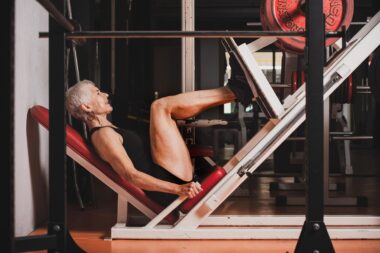

Overcoming Mobility Limitations in Senior Fitness
Mobility limitations can pose significant challenges for older adults looking to maintain their fitness levels. These restrictions often result from various factors, including arthritis, muscle weakness, and balance issues. Overcoming these challenges is essential for promoting independence and improving quality of life. Engaging in fitness routines can help seniors enhance their mobility, flexibility, and strength. The right approach makes all the difference. It’s crucial to start with low-impact exercises such as walking, swimming, or cycling, which can be easily adapted. Special attention should be paid to safety measures to prevent injuries, given the increased susceptibility to falls. Using supportive equipment, such as walkers or chairs, can provide additional safety and stability during workouts. Gradually increasing the intensity and duration of exercises will allow seniors to build strength and endurance over time. Joining a fitness program specifically designed for older adults can also motivate and provide social interaction. Furthermore, consulting with healthcare professionals ensures that the exercises are appropriate for one’s health status and capabilities, effectively addressing individual needs.
One successful way to address mobility limitations involves incorporating flexibility and stretching exercises into a senior’s fitness routine. These activities can improve joint mobility and muscle elasticity, which are critical for preventing injuries and enhancing function. Simple stretches like shoulder rolls, ankle circles, and neck rotations can be performed daily. Engaging in yoga or tai chi can also be beneficial, as they emphasize balance, mindfulness, and controlled movements. Adapting poses to accommodate individual abilities ensures that all seniors can participate at their own comfort level. Another crucial aspect is strength training. Focused on major muscle groups, such as the legs, arms, and core, exercises with light weights or resistance bands can boost overall strength. This increased muscle strength improves daily functional tasks, such as standing up from a chair or climbing stairs. Seniors should always warm up before engaging in strength training to prevent injury. Additionally, incorporating rest days into their week is essential for recovery. Maintaining a structured schedule ensures consistency and helps in building a habit of fitness that is sustainable in the long term.
Utilizing Technology for Support
With the advent of technology, resources for seniors with mobility limitations have broadened remarkably. Numerous apps focus on exercise, offering tailored workout plans suitable for different fitness levels. These applications can guide seniors through routines, enabling them to stay engaged and motivated from the comfort of their homes. Online videos demonstrating exercises can also be invaluable, providing visual aids that clarify movements and techniques. Furthermore, wearable devices like fitness trackers can help seniors monitor their activity levels and set achievable goals. This real-time feedback fosters a sense of achievement as seniors track their progress, leading to increased motivation. Virtual fitness classes have gained popularity, allowing participation in group exercises without the need for physical travel. It’s essential to choose programs led by qualified instructors familiar with senior fitness needs. For seniors who might feel isolated, these online communities offer social interaction and encouragement, fostering a sense of belonging. Having a support system, whether virtual or in-person, can significantly impact adherence to fitness programs for older adults managing mobility limitations.
Complementing exercise routines with proper nutrition is another crucial strategy for addressing mobility limitations. Adequate nutrition supports overall health and fitness progression. Older adults may need to focus on a balanced diet rich in vitamins and minerals, particularly calcium and vitamin D, to promote bone health. Consuming sufficient protein is essential for muscle repair and growth. Integrating whole foods, such as fruits, vegetables, whole grains, and lean proteins, ensures a well-rounded dietary intake, supporting physical well-being. Staying hydrated is equally important, as proper hydration enhances mobility and overall function. Seniors should drink water regularly throughout the day, as cognitive function and energy levels can decline with dehydration. Meal planning can be helpful for maintaining a nutritious diet, making it easier to prepare healthy meals that accommodate individual preferences. Consulting with a registered dietitian can also provide personalized dietary recommendations that align with specific fitness goals, medical conditions, and lifestyle habits, ensuring optimal nutrition. This comprehensive approach combining exercise and nutrition contributes to improved mobility and a healthier, more active lifestyle.
Building a Support Network
Creating a strong support network is vital for seniors overcoming mobility limitations. Family members, friends, and neighbors can help encourage and facilitate active lifestyles. This network provides both emotional and practical support, ensuring that seniors stay motivated and accountable in their fitness journeys. Regular check-ins from loved ones can make all the difference in maintaining commitment to exercise routines. Additionally, participating in local fitness groups or community centers can connect seniors with peers facing similar challenges. This social aspect reinforces the idea that they are not alone, making it easier to stay engaged. Engaging in group activities enhances social interaction, which has proven benefits for mental health. Programs designed for older adults can offer supervised exercises tailored to specific capabilities and limitations, fostering a sense of security. Accessibility to transportation should also be considered, helping seniors make it to classes or fitness events. Encouragement from others will bolster confidence, leading to a more active and fulfilling life. Overall, a solid support system promotes a positive outlook on overcoming mobility challenges through fitness.
Regular health check-ups are essential in the journey toward overcoming mobility limitations in senior fitness. By keeping up with appointments, seniors can stay informed about their health status and any underlying conditions that may hinder their exercise efforts. Discussing goals and fitness plans with healthcare providers ensures that activities align with individual capabilities. They can also suggest appropriate exercises to avoid strain or injury. Additionally, monitoring any medication side effects or interactions is crucial for maintaining optimal health during an exercise regimen. Aligning fitness with medical advice promotes safe practices and can prevent exacerbation of existing health issues. Moreover, recognizing the importance of mental health in fitness cannot be overlooked. Embracing mindfulness practices, such as meditation, can help eliminate anxiety surrounding physical challenges. Cognitive and emotional support complements the physical aspect, creating a comprehensive approach towards wellness. Participating in local classes can also provide a sense of community, reinforcing mental well-being. Overall, staying proactive about both physical and mental health will pave the way for a smoother journey in overcoming mobility limitations through fitness.
Conclusion and Continued Growth
Ultimately, overcoming mobility limitations in senior fitness is feasible through a multi-faceted approach. By incorporating flexibility, strength training, proper nutrition, and the use of technology, older adults can significantly enhance their physical capabilities. Creating a robust support network boosts motivation and emotional health, reinforcing dedication to fitness goals. Regular health check-ups and consultations ensure that exercise programs align with individual needs, promoting safety in their workouts. Encouraging ongoing personal growth through fitness fosters independence and improved quality of life. Emphasizing flexibility in routines allows seniors to adapt based on daily physical status, ensuring consistency and avoiding burnout. Every small achievement contributes to overall improvement in well-being. Celebrating these milestones can further reinforce motivation, reminding seniors of their progress and capabilities. As they continue to strive for active lifestyles, the importance of patience cannot be understated. Fitness is a journey, not a destination. A steady commitment to movement and overall health will yield significant benefits over time, helping to minimize mobility limitations and enhancing the joy of daily life for seniors.