
How to Incorporate Safe Strength and Flexibility Training in Pregnancy
Pregnancy is a beautiful journey that presents unique challenges, making fitness more essential than ever. Safe exercises during this period not only boost physical health but also lift emotional well-being. Including strength and flexibility training into your routine can help you manage weight and prepare your body for labor. Start with low-impact activities suitable for your energy levels. Consult your healthcare provider about commencing any fitness program during pregnancy. They can suggest exercises tailored to your specific needs and condition. Gradually introduce resistance bands, light weights, or body-weight exercises. These can enhance muscular strength and support your posture as your body changes. It is vital to listen to your body. If you experience discomfort or unusual symptoms, pause and seek advice. Before beginning any new exercise, ensure you have a safe environment. A supportive exercise partner can create a motivational atmosphere, helping you stay focused and inspired. Remember hydration is crucial, so drink plenty of water throughout your workout. Adapting your routine during pregnancy can promote health and wellness for you and your baby.
Strength Training Essentials
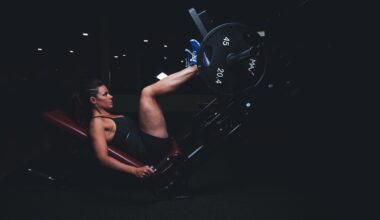
Incorporating strength training during pregnancy can significantly benefit your body. Focus on exercises that strengthen core muscles, which are critical during labor and delivery. Opt for modified push-ups, squats, or lunges. Resistance bands are excellent for safe strength training, as they provide support and lower injury risks. Gradually increase intensity while remaining attentive to your body’s signals. Pay special attention to your breathing; deep, controlled breaths blaze a trail for relaxation during workouts. Maintaining a strong posture throughout activities is essential for comfort and safety. Consider joining prenatal fitness classes, where professionals can guide you through appropriate exercises. Choose environments that prioritize your safety and comfort; ensure floors are not slippery and that space allows for safe movement. Always warm up before engaging in a routine and cool down afterward to avoid soreness. It’s beneficial to establish a consistent schedule, aiming for at least 30 minutes of activity several times a week. Begin with two to three sets of 12-15 repetitions to build endurance without overexertion. This approach paves the way for a healthier, more comfortable pregnancy journey.
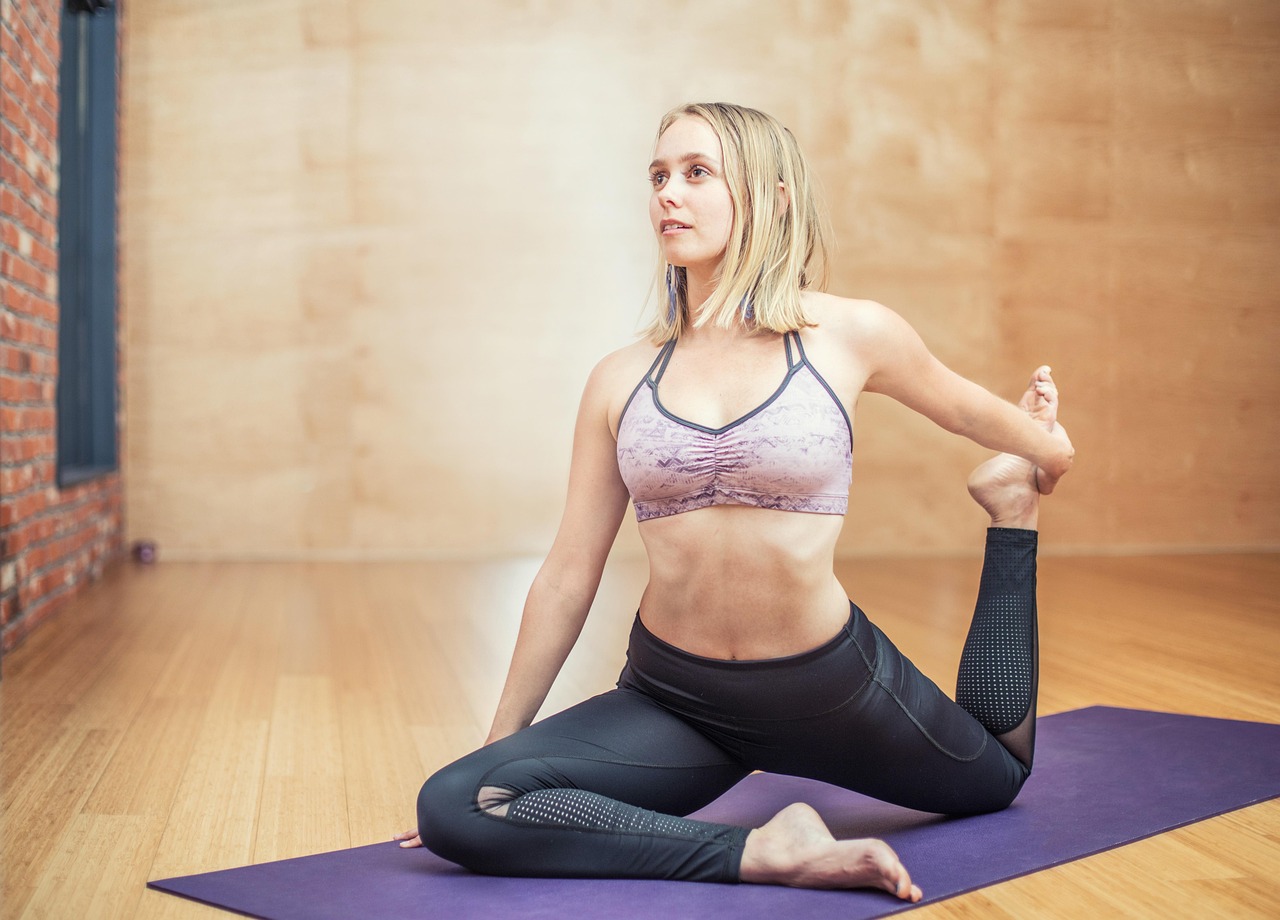
Flexibility training plays a crucial role in a safe pregnancy exercise regime. Incorporating regular stretching can alleviate discomfort associated with increasing body weight and muscle tension. Begin your flexibility routine while ensuring you’re in a comfortable position, utilizing supportive surfaces or mats. Start with gentle stretches for your neck, arms, and legs, progressively targeting key areas such as your hips and lower back. Each stretch should be held for at least 15-30 seconds, promoting increased blood flow and relaxation. Consider yoga or pilates classes tailored for pregnant women, as they blend strength and flexibility in a safe manner. Always listen to your body, maintaining comfort throughout the stretches. If you feel pain at any point, discontinue the stretch. Use adequate breathing techniques to help release tension; inhaling deeply and exhaling slowly can enhance the stretching experience. A warm shower or bath beforehand can also prepare the muscles for flexibility work. Building a routine that includes flexibility exercises can make a significant impact on your overall mobility, allowing you to embrace the changes in your body gracefully throughout pregnancy.
Choosing Safe Exercises
Selecting safe and appropriate exercises during pregnancy is vital. Low-impact activities are generally encouraged, particularly swimming, walking, and stationary cycling. These options reduce impact on your joints while promoting cardiovascular health. It’s essential to maintain a moderate level of intensity during workouts to avoid overheating and fatigue. Always warm up for 5-10 minutes before getting into the main workout. For strength training, using lighter weights or resistance bands can help prevent strain. Your body releases Relaxin during pregnancy, which increases joint flexibility, necessitating a cautious approach to strength exercises. Focus on body-weight movements first before introducing additional resistance. Balance and coordination can be altered during pregnancy, so choose exercises that keep you stable. Avoid activities with a risk of falling, such as high-intensity aerobics or skiing. Listening to your body should always remain your priority; if something feels off, don’t hesitate to stop. As you progress in your pregnancy, certain movements may need modification, so find ways to adapt workouts accordingly. Safety should always come first during this transformative period.
Utilizing Professional Guidance
Enlisting the help of a fitness professional can greatly enhance your pregnancy fitness journey. Certified pre-natal fitness trainers can offer specialized insights tailored to your specific needs. These professionals are keen on providing programs that cater to pregnant women, ensuring exercises are both safe and effective. During consultations, they can assess your current fitness level, creating a customized plan aligning with your goals. Accessing group classes run by these experts can foster a sense of community, significantly impacting motivation. Participants often share experiences and inspire each other during this phase, forming strong support networks. Also, consider scheduling regular check-ins with your healthcare practitioner. Monitoring overall health is crucial, as any changes may require program adjustments. Creating an adaptable fitness plan that evolves alongside your pregnancy allows for an enjoyable experience while managing physical challenges. Always prioritize comfort and safety; a professional can help you navigate changes systematically. Pay attention to modifications suggested, as many exercises can be altered as your body transitions through different stages of pregnancy. Tailored programs boost your confidence, ultimately enhancing your overall well-being during this remarkable period.
Listening to your body and adapting your exercise routine is essential. Pregnancy can bring about many changes, including increased fatigue and physical discomfort. As you grow, some exercises may no longer feel comfortable or appropriate. Be flexible in your approach to workouts; this includes reducing intensity or exploring new activities. Emphasizing rest and self-care is equally important for mental and physical health. Communicate with your fitness professional or healthcare provider about your feelings and experiences. They can provide necessary adjustments or suggest alternative exercises that accommodate your needs. Connecting with other expectant mothers can also inspire and motivate you on this journey. Sharing experiences can foster understanding of the shared challenges that come with pregnancy. Exploring diverse fitness activities ensures you stay engaged and meet your health goals. Simple changes, such as practicing mindfulness during workouts, can enhance your experience. Moreover, mindful exercise helps in reducing anxiety and stress associated with pregnancy. A well-rounded approach to fitness empowers you to embrace the changes your body undergoes and prepares you for a successful labor experience.
As your pregnancy progresses, integrate relaxation techniques into your fitness routine for comprehensive well-being. Practicing deep breathing exercises and gentle stretching can alleviate tension and prepare you mentally for childbirth. Techniques such as visualization can help create a positive mindset about labor and delivery. Set aside time for calming activities like prenatal yoga or guided meditations. These practices not only support physical fitness; they nurture emotional health as well. Establishing a routine that prioritizes both physical activity and relaxation can be incredibly beneficial. Find time during the week to unwind and focus solely on yourself, minimizing external stressors. Consistency is key in maintaining energy levels and tranquility throughout your pregnancy. As always, maintain open communication with your healthcare providers regarding any new practices or considerations. Document your experiences; keeping a journal can help track your physical changes and emotional responses during fitness routines. This reflection can foster a deeper understanding of your body’s evolution. Overall, embracing a comprehensive approach to fitness during pregnancy sets the foundation for a healthy lifestyle, ensuring wellbeing for both you and your baby.
Incorporating a fitness plan during pregnancy fosters a positive experience, boosting health for both mother and baby. It is important to prioritize safe strength and flexibility training, tailoring exercises to evolving needs. As your pregnancy progresses, exercises should be adjusted; staying adaptable is crucial. Focusing on low-impact activities while emphasizing safety significantly lowers the risk of injury. Remember to consult healthcare providers before initiating any routine to align with your unique needs. Utilize support systems, whether from fitness professionals or fellow expectant mothers, to build community and accountability. Finding enjoyment in physical activity enhances motivation to stay active throughout this period. Establish a balanced routine, combining cardiovascular activities with strength and flexibility training. Additionally, practicing mindfulness during exercise fosters emotional resilience and mental clarity. Always choose activities that resonate with your body, ensuring each session remains safe and enjoyable. Create an environment conducive to exercise motivations; it can profoundly impact your mindset. Ultimately, developing a sustainable approach to fitness during pregnancy not only prepares you for childbirth but can also lead to a smoother postpartum transition, encouraging lifelong health for you and your baby.