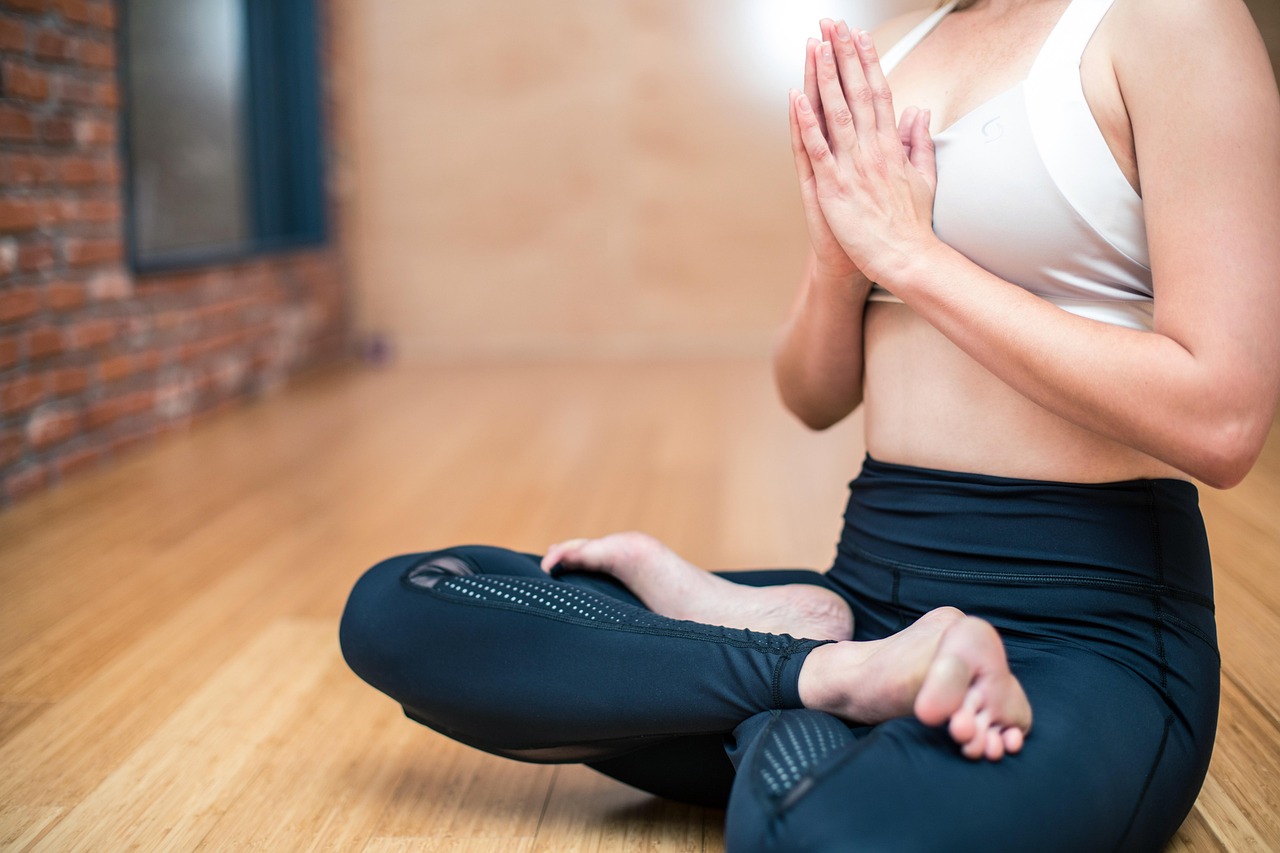

Mindful Techniques to Stay Motivated While Tracking Progress
Tracking fitness progress mindfully is crucial for maintaining motivation in your workouts. To achieve your goals effectively, it’s essential to cultivate a positive mindset. First, focus on the process rather than just the outcome. This approach shifts your attention from numerical results to the journey itself. Celebrate small victories and milestones that occur along the way. For instance, notice improvements in strength, stamina, and overall well-being. Additionally, establishing a ritual for progress tracking can enhance mindfulness. Choose a specific time each week to reflect on your achievements. Create a visual representation of your progress; this could be through charts or graphs that display your journey clearly. Furthermore, practice self-compassion during this process. Understand that fluctuations in performance are normal. Rather than being critical of setbacks, acknowledge them and continue to reframe your thoughts towards positivity. When you track your progress with kindness, you build resilience. This resilience becomes a valuable asset in overcoming obstacles on your fitness journey, ensuring that motivation remains high. Mindful practice thus helps in transforming challenges into stepping stones towards your ultimate goals.
Incorporating gratitude into your progress tracking can significantly boost motivation. Take a moment each week to jot down what aspects of your fitness journey you’re grateful for. It could be anything from enjoying a workout session to feeling healthier. This practice not only fosters a positive mindset but also enhances your emotional resilience. When you write down things that bring you joy related to fitness, it reinforces your commitment to your journey. Additionally, consider sharing your tracking experiences with a supportive community. Finding a group of like-minded fitness enthusiasts can provide encouragement and accountability. You can discuss your progress openly, ask for advice, and celebrate each other’s successes together. Engaging in conversations about progress can inspire new strategies and techniques you might incorporate into your routine. Also, remember to incorporate various forms of movement that resonate with you personally. This ensures that tracking your progress remains enjoyable. Experimenting with different activities keeps the motivation fresh and exciting. Whether it’s yoga, running, or strength training, finding joy in movement makes tracking progress feel less like a chore and more like a reward.
Visualization Techniques for Success
Visualization techniques are powerful tools that can strengthen your commitment to fitness. Take a few moments each week to visualize your progress. Picture yourself achieving your fitness goals, whether it’s performing an exercise with ease or reaching a target weight. This mental rehearsal primes your brain for success, reinforcing your commitment. Even imagining how you’ll feel after a successful workout or reaching your goals can greatly boost your motivation. Use vision boards or digital reminders featuring images that resonate with your aspirations. These visual elements can remind you of your journey and the exciting destinations ahead. Furthermore, audiobooks and podcasts that focus on mindfulness and motivation can enhance your mental conditioning. Focus on motivational talks that encourage tracking progress mindfully. Engaging with content that inspires can shift your mindset positively, encouraging action in your fitness journey. Also, remember to incorporate breathing exercises into your routine. Often, taking a deep breath helps clear your mind. Practicing breath awareness while tracking your progress encourages relaxation and reduces anxiety about results. Embracing these visualization and mindfulness strategies can promote consistent motivation throughout your fitness tracking journey.
Setting realistic and achievable goals plays an essential role in tracking progress effectively. When your goals are specific and measurable, it becomes easier to stay motivated. Break down larger goals into smaller, more manageable steps. For example, instead of focusing solely on losing weight, set a goal to increase workout frequency or improve endurance levels incrementally. By doing so, you transform your journey into a series of mini-goals, allowing for regular celebrations along the way. Additionally, consider setting timeframes for each smaller goal. This not only creates urgency but also provides an opportunity to review and reflect on your performance after each period. In doing this, you will gain insights into what works best for you. Continuously assess your goals, and don’t hesitate to adjust them as needed. Life circumstances change, and your goals should be flexible to accommodate growth. Remember, this is a personal journey; comparison with others can negatively impact motivation. Stay focused on your unique goals, progress, and improvements. Embrace your journey, and recognize that everyone moves at their own pace, emphasizing the importance of personal dedication towards achieving success.
Embracing Mindful Eating
Mindful eating can greatly complement your fitness tracking efforts. As you monitor your progress, pay attention to your nutritional habits. Engaging in mindful eating involves savoring each bite, recognizing hunger cues, and differentiating between emotional and physical hunger. This practice enables you to build a healthier relationship with food and enhances overall wellness. When you connect nourishing your body with tracking workouts, it creates a holistic approach to fitness. Meal planning can be a great tool for maintaining mindful eating practices. Preparing meals in advance provides control over your nutrition choices. Try to incorporate a variety of foods, ensuring you receive adequate nutrients to fuel your workouts. Additionally, maintain a food journal that partners with your fitness tracker. Record what you eat and how it makes you feel; noticing any correlations can lead to deeper insights into your dietary habits. Remember, flexibility is key in mindful eating. Permit yourself the occasional treat without guilt; this reinforces a balanced perspective. When food choices are made with awareness, your motivation to track fitness progress can strengthen. Embracing this mindful eating approach creates synergy between your fitness and dietary choices, promoting overall well-being.
Acknowledging emotions during your fitness journey is crucial to maintaining motivation. Emotions can significantly influence your commitment to tracking progress. Throughout your workouts, assess feelings that arise; the awareness of emotions aids in addressing potential setbacks. Journaling can serve as a valuable tool for expressing your thoughts and feelings. Reflect on your experiences, noting what motivates you and any challenges faced. Having a clear understanding of your emotions allows you to approach tracking with mindfulness. Moreover, you might find it helpful to practice positive affirmations. Create a list of empowering statements that resonate with your fitness journey. Reciting these affirmations daily can enhance confidence and reinforce your determination. Surrounding yourself with motivational messages, whether through social media or unique quotes, can also uplift your spirit. However, do not hesitate to seek help when feelings of frustration or inadequacy arise. Engaging a professional, such as a personal trainer or therapist, can provide external support. Having someone to guide your emotional and physical journey can be incredibly beneficial. Recognizing and managing emotions fosters resilience and builds a stronger foundation for tracking your progress with mindfulness, ultimately enhancing your fitness experience.
Cultivating Patience in Progress Tracking
Patience is a vital virtue in any fitness journey. When tracking progress, it’s essential to recognize that results require time and consistent effort. Understand that strides towards improvement do not always occur linearly. Fluctuations in performance are common, and remaining patient allows you to navigate them more gracefully. Instead of fixating solely on results, shift your mindset to appreciate the effort you invest daily. Develop a practice of self-reflection that focuses on the effort put forth, celebrating consistency even in the absence of immediate outcomes. Rewarding yourself for adherence to your routine fosters a sense of accomplishment. Furthermore, consider creating a visual progress timeline, marking your achievements and milestones. This representation can serve as a personal reminder of how far you’ve come, keeping motivation intact. Maintain a growth-oriented mindset by integrating new challenges or re-assessing your goals regularly. Embrace the idea that each step, regardless of size, contributes to the bigger picture. Cultivating patience sustains your commitment to tracking progress and keeps the pursuit enjoyable. Remember, fitness is a marathon, not a sprint; embracing that fact creates a positive experience throughout your journey.
Lastly, incorporating rest and recovery into your routine enhances mindfulness within progress tracking. These elements are often overlooked in fitness journeys but can significantly influence performance outcomes. Understanding that rest is just as vital as activity can lead to better recovery and fewer injuries. Schedule restorative days into your workout regimen. During these periods, engage in low-intensity activities such as stretching or gentle yoga. Mindfully focusing on rest allows the body to recover effectively, helping you return stronger. Recognize the signs your body gives and learn to listen to them. Tracking how you feel physically can help prevent burnout. Moreover, consider practicing mindfulness during rest days. Incorporating activities like meditation, reading, and spending time outdoors can benefit mental health and overall motivation. Fully embracing recovery emphasizes your commitment to a sustainable fitness journey. Thus, tracking progress mindfully should incorporate both workouts and recovery. Allow yourself to honor both parts of the journey—exercise and rest. When both are balanced, it creates a holistic approach that also nurtures the mind and spirit. Practicing mindfulness during recovery transforms the fitness experience into a rewarding and fulfilling endeavor.