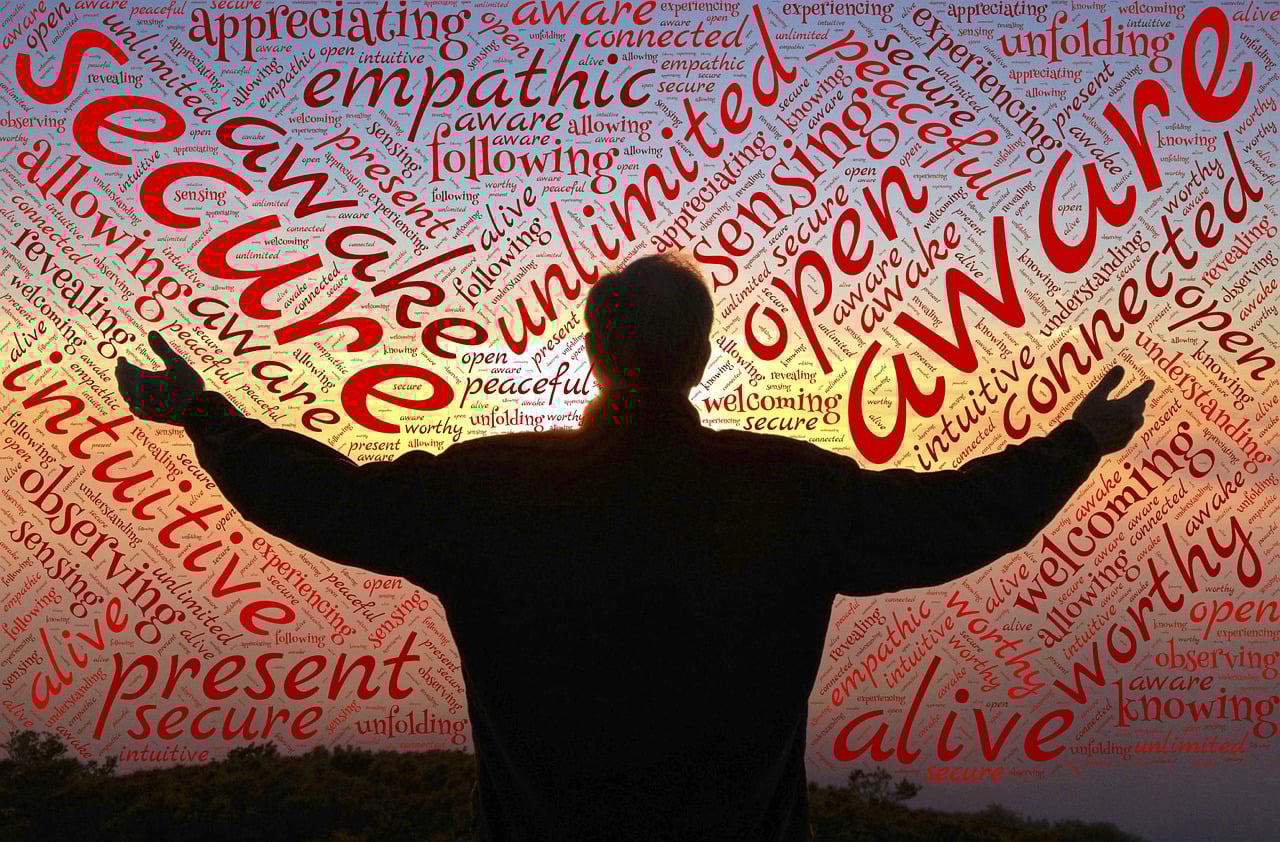

How Prayer and Spirituality Influence Mind-Body Wellness
The intricate relationship between prayer and mind-body wellness forms an essential component of many spiritual traditions. By invoking a higher power or tapping into one’s inner spirituality, individuals often find solace, guidance, and strength. This connection can manifest physically, emotionally, and spiritually, as those who engage in prayer frequently report enhanced mental clarity and emotional stability. Practicing prayer may also reduce stress and anxiety, leading to significant improvements in overall health. Various studies suggest that individuals who partake in regular prayer experience a sense of peace that is linked to lower blood pressure and better immune function. This harmonious balance between mind and body creates an essential environment for healing. Additionally, prayer serves as a form of meditation, wherein focused intention aligns thoughts with inner peace. It provides a structured way to express gratitude and reflect on personal intentions. Subsequently, the spiritual practice may lead to increased feelings of connectedness and purpose, bolstering one’s motivational drive and enhancing overall well-being. Thus, the profound influence of prayer on mental and physical health is an area rich with potential for exploration.
The Role of Spirituality in Self-Care
Spirituality plays a critical role in self-care practices that enhance mind-body integration. Investing in one’s spiritual well-being fosters a sense of belonging and identity, which directly impacts mental health. Engaging in spiritual rituals, such as prayer or meditation, helps individuals navigate challenging life situations with resilience. These practices encourage self-reflection and foster a greater understanding of one’s purpose. Many find that their spiritual journeys align with holistic self-care methods, such as mindfulness and emotional awareness. This alignment can elevate mood and reduce symptoms of depression and anxiety. Integrating spirituality into daily routines can also offer transformative experiences that nurture the soul. Individuals often report feeling rejuvenated after finding solace in spiritual practices. These moments of connection not only calm the mind, but they also remind us of the interconnectedness of all existence. Engaging in community spiritual activities creates bonds that can deepen one’s sense of support and security. Furthermore, fostering spiritual awareness helps cultivate compassion, enhancing interpersonal relationships and promoting emotional resilience. In this way, spirituality becomes a foundational aspect of comprehensive mind-body wellness.
Prayer serves as a universal tool for individuals seeking connection with the divine or exploring personal spirituality. Through prayer, many people experience profound feelings of peace and unity, allowing for emotional and psychological healing. This process opens pathways for releasing negative thoughts, making room for positivity and hope. Regular prayer practice can also stabilize mood and create routine, offering a sense of control and purpose amidst life’s uncertainties. Different forms of prayer, whether spoken, meditative, or written, cater to various personal preferences and spiritual beliefs. Such diversity allows individuals to find a form that resonates with their own experiences and emotional needs. In this context, prayer becomes not only a means for communication with a higher power but also a catalyst for self-discovery. Moreover, science continues to uncover the biological benefits of prayer, revealing how it can shape neural pathways associated with stress reduction and emotional regulation. Thus, incorporating prayer into one’s life can provide significant support for mental health challenges, reinforcing the notion that spirituality and well-being are profoundly interconnected, enriching both the individual’s life and those around them.
Scientific Insights into Prayer and Healing
Recent studies have unveiled intriguing insights into the effects of prayer on physical health and healing processes. Research indicates that individuals who engage in prayer often report significantly lower levels of stress and anxiety, contributing to better overall health outcomes. This phenomenon can be partly attributed to the body’s physiological responses to prayer, which may activate the parasympathetic nervous system, promoting relaxation and healing. Furthermore, collective prayer, experienced in group settings, has shown potential benefits in fostering community support and connectedness. This social dimension can amplify the healing effects of prayer, creating a shared space of hopeful intention and emotional uplift. Additionally, some studies have suggested that the practice may enhance the immune system’s functioning, reducing incidences of illness among those who pray regularly. Understanding these scientific dimensions adds a layer of credibility to the transformative power of prayer in our lives. As the body and mind respond harmoniously to such spiritual engagement, the potential for recovery from illness and emotional turbulence becomes increasingly tangible. These insights not only reinforce the mind-body connection but also underscore the biological relevance of spirituality in wellness.
Incorporating spirituality into daily life may offer profound benefits for mental health and wellness. Regular engagement with spiritual practices fosters resilience, helping individuals navigate personal challenges more effectively. Through prayer, individuals can cultivate a clear and positive mindset, enabling them to approach adversity with a renewed focus and optimism. This process directly influences mental clarity, reinforcing the idea that spirituality acts as a pillar of psychological support. Moreover, the deep sense of connection found in spirituality enriches relationships, enhancing emotional intelligence and empathy. Participants in communal spiritual activities often report feeling valued, leading to increased social support and decreased feelings of isolation. Furthermore, bridging the gap between spiritual beliefs and practices helps individuals articulate a sense of purpose, aligning their daily actions with their innermost values. Building routines that incorporate elements of spirituality can significantly impact one’s life, nurturing a holistic approach towards self-care. Engaging with spiritual practices can also foster a stronger connection to the self, reinforcing self-worth and purpose. Therefore, embracing spirituality as a vital element in personal development offers significant pathways for mental and emotional well-being.
The Interconnectedness of Mind, Body, and Spirit
Understanding the interconnectedness between mind, body, and spirit is essential for comprehensive wellness. This triad interacts dynamically, where spiritual practices such as prayer can enhance both mental clarity and physical vitality. As individuals nurture their spiritual selves, they often experience corresponding shifts in their mental health, marked by increased emotional balance and physical energy. The process of harmonizing these aspects allows individuals to gain insights into their true nature and life purpose. Attending to spiritual needs can also reduce perceived stress and promote healthier coping mechanisms. Those who engage in prayer frequently report greater emotional resilience and empowerment, enabling them to confront life’s challenges with strength. On a physiological level, spiritual well-being is linked to healthier lifestyles, fostering better choices in diet, exercise, and self-care routines. This mutual reinforcement between spiritual and physical health reveals the profound impacts of nurturing the spirit on one’s overall well-being. Consequently, embracing an integrative view of mind-body-spirit connection can lead individuals toward a more fulfilling and healthier existence. Acknowledging the significance of spiritual practices encourages personal growth and a deeper understanding of one’s unique journey.
Ultimately, the journey towards mind-body wellness through spirituality and prayer offers vast potential for healing and growth. Individuals are encouraged to explore various practices that resonate with their heart and spirit, discovering unique pathways that can enhance well-being. Engaging in consistent spiritual practices fosters a greater sense of purpose and clarity that permeates all areas of life. Whether through prayer, meditation, or other rituals, integrating spirituality fosters resilience, optimism, and empowerment. Moreover, the shared experience of spirituality within communities serves as a powerful source of support, amplifying the benefits of individual practices. By cultivating these connections, individuals open themselves up to a wealth of communal wisdom and strength. Personal experiences with spirituality can vary widely, emphasizing the importance of tailoring practices to individual needs. Ultimately, acknowledging and nurturing the mind-body connection through spirituality can lead to meaningful transformations, enriching both personal and collective journeys. Embracing this holistic approach to wellness invites individuals to delve deeper into their own spirit, fostering a life of fulfillment and balance. This journey highlights the importance of nurturing one’s inner self while aligned with overall health and well-being.
Understanding the Mind-Body Connection
The mind-body connection highlights the interactions between psychological processes and physiological responses, revealing how mental and emotional factors significantly influence physical health. Research demonstrates that stress, anxiety, and depression can manifest in physical symptoms, underscoring the importance of addressing mental well-being for overall health. Engaging in practices that promote a healthy mindset, such as mindfulness, meditation, and prayer, contributes to improved well-being. One of the key aspects of nurturing this connection is recognizing the influence of thoughts and feelings on bodily health. Regularly practicing mindfulness can lead to reductions in tension and pain, while positive emotional states can enhance energy levels and immune function. Furthermore, recognizing that emotions directly impact the body fosters a deeper understanding of personal health. Attaining balance within this connection opens avenues for healing and personal growth. Integrating spirituality into discussions surrounding mind-body wellness can thus enhance the effectiveness of holistic health approaches. As individuals begin to understand their unique mind-body dynamics, they become empowered to take more proactive steps towards nurturing their overall wellness. Finally, this holistic perspective on well-being reinforces the significance of mental and emotional health for a healthy life.