
Understanding Different Disabilities in Adaptive Fitness Training
Adaptive fitness training caters to a diverse range of individuals, including those with physical, sensory, and intellectual disabilities. Each disability presents unique challenges and requires tailored approaches to fitness. Understanding these differences is imperative for trainers to create effective programs. For instance, a person with mobility impairments may need accessible equipment and assistance to perform exercises safely. Furthermore, intellectual disabilities might require additional support for understanding and following instructions during workouts. This demands clear communication strategies and motivational techniques that engage the individual positively. An inclusive approach fosters empowerment and improves self-esteem, prompting individuals with disabilities to embrace an active lifestyle. Establishing a trusting relationship between the coach and the participant is essential. Collecting information about the individual’s specific needs and preferences allows for adjustments in training regimens. Coaches should remain patient and understanding, ensuring that the person feels valued throughout the process. As trainers develop their adaptive fitness skills, ongoing education becomes crucial to stay updated on best practices. Workshops and resources focused on disabilities in fitness can enhance knowledge, skills, and empathy essential for optimizing the training experience.
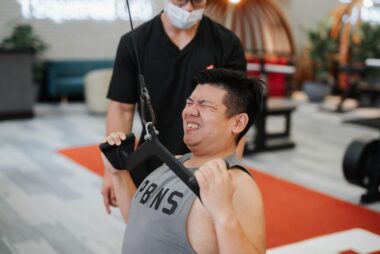
Individuals with mobility issues often require specialized adaptive fitness options that accommodate their specific needs. Different disabilities such as spinal cord injuries, amputation, or arthritis affect movement and coordination. For coaches, it is vital to evaluate individual abilities before designing training sessions. In these cases, modifications become crucial; trainers must be adept at making adjustments that allow the client to participate fully. This could involve using adaptive equipment, such as modified weights, resistance bands, or seated machines. Trainers should also consider focusing on cardiovascular fitness, flexibility, and strength training tailored to the individual. For example, seated exercises maximize accessibility for those who may not stand or walk comfortably. Building strength and stability not only enhances physical ability but also boosts confidence levels. As fitness progresses, trainers can gradually increase the intensity, ensuring a continuous improvement journey for the participant. By creating an environment that is both supportive and challenging, adaptive fitness coaches can help individuals push their limits. Trainers should encourage clients to set personal goals, as achieving them can further motivate individuals with disabilities to remain active and engaged in their health journeys.
Another crucial aspect of adaptive fitness training is accommodating participants with sensory disabilities, including visual and hearing impairments. Coaches must adapt exercises to ensure these individuals can fully engage and understand the routines. For vision-impaired individuals, descriptive instructions become vital. Furthermore, trainers should create a safe environment by minimizing hazards like obstacles on the training floor. This requires a keen awareness of the surroundings, too, as sound and verbal cues can serve as effective guides. On the other hand, participants with hearing impairments may need visual cues or demonstration for workout instructions, ensuring they receive the relevant training information. Developing a communication plan that includes gestures or signs can also augment understanding. In group sessions, implementing an inclusive atmosphere where everyone feels welcome is essential. Adaptive fitness training not only enriches the lives of individuals with disabilities but fosters social connections. Integrating various communication styles helps build relationships and enhances overall wellness. As trainers broaden their expertise, they empower individuals to pursue fitness goals that reflect their capabilities. The combination of adapting exercises and fostering engagement support an inclusive fitness journey for all participants.
Understanding Intellectual Disabilities in Fitness
Intellectual disabilities encompass various cognitive challenges, which can significantly impact fitness training participation. Many individuals with such disabilities may experience difficulty in following verbal instructions or understanding complex tasks. When training these individuals, a personalized approach becomes essential. Extensive use of visual aids and interactive methods—like demonstrations—during training sessions can improve comprehension. Coaches should break exercises down into smaller, manageable steps, promoting gradual mastery over time. This is not only beneficial for understanding but can enhance motivation and self-esteem as progress is made. Building a structured environment with consistent schedules helps individuals with intellectual disabilities feel secure during workouts. Cognitive impairment levels can vary significantly, so trainers must tailor workouts accordingly and maintain flexibility. Collaboration with caregivers or family members can provide valuable insights into the best practices for training a specific individual. Offering continuous encouragement is vital for boosting confidence as individuals face new exercises and challenges. Patience and adaptability play critical roles in this training approach. Ultimately, the goal is to empower individuals to engage actively in their fitness journey. Approaching fitness in a way that resonates personally fosters more profound resilience and commitment to healthy living.
Understanding the psychological aspects of disabilities when it comes to fitness training is also fundamental. Emotional hurdles faced by individuals with disabilities can affect motivation, participation, and adherence to fitness programs. Adaptive fitness coaches must recognize the psychological barriers and work to cultivate a positive mindset through encouragement and support. Acknowledging accomplishments, however small, can significantly impact an individual’s self-concept and self-worth. Tailoring motivational techniques suited to individual needs enhances the training experience. For instance, visual tracking of progress can boost motivation, creating tangible evidence of improvement. Paul, for example, can set personal challenges that align with his interests. Creating friendly competition through group classes, when appropriate, can improve engagement and camaraderie. Coaches should promote a supportive atmosphere where clients share their experiences and challenges during training sessions. Building connections with peers fosters a sense of belonging and reduces feelings of isolation. Treatment plans with an inclusive view of mental health and wellness contribute significantly to the overall well-being of individuals with disabilities. Coaches who understand the psychological implications can provide valuable care beyond physical limits, resulting in clients who are empowered and motivated on their health journey.
Implementation of Adaptive Fitness Programs
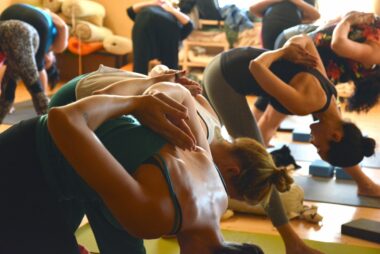
Creating effective adaptive fitness programs requires collaboration across multiple disciplines—physiotherapy, occupational therapy, and fitness training—all working together to promote holistic wellness for individuals with disabilities. Participation in adaptive fitness should address not only physical abilities but also social and emotional wellbeing. It’s vital for fitness coaches to undergo specialized training that equips them with techniques to work alongside health professionals. Understanding medical histories of clients helps trainers create safe and beneficial workout plans. Regular assessment of fitness levels allows trainers to adapt programs in response to individual progress, ensuring the right balance of challenge and support. Group sessions can enhance social interactions, making adaptations suitable for individuals while still fostering a cohesive environment where everyone can thrive together. Team-building exercises engage participants positively and enhance their motivation to remain active in their fitness journey. Promoting accessibility and inclusion through fitness events can raise awareness and acceptance within wider communities. Additionally, these programs should encourage community involvement and advocate for accessibility in various recreational facilities. The more informed and compassionate trainers are, the better equipped they become in preparing adaptive fitness programs that maximize potential for every participant.
The realm of adaptive fitness training is continuously evolving, with new methodologies emerging that prioritize inclusion for individuals with disabilities. Technology plays a significant role in this evolution, providing innovative solutions like wearable fitness trackers and mobile applications customized for various abilities. These technologies can help enhance training experiences, enabling individuals to monitor their progress more effectively. Adaptive fitness coaches should embrace these tools to provide additional motivation and support to clients while fostering an engaging experience. Furthermore, access to online communities dedicated to adaptive fitness can be invaluable. Such platforms allow individuals to share stories, tips, and motivation, cultivating connections beyond physical spaces. Coaches can encourage participation in online discussions, fostering solidarity among participants. The exchange of experiences creates an invaluable network for support and learning, paving the way for continuous personal development. Alongside traditional training methods, utilizing technology offers exciting opportunities for knowledge acquisition and motivation. Trainers gain insights into adaptive strategies through peer interaction in these communities. Embracing innovation in adaptive fitness ensures that trainers provide cutting-edge support to individuals with disabilities, creating inclusive fitness experiences that inspire empowerment and growth on individuals’ terms.
In conclusion, understanding various disabilities is essential for adaptive fitness coaches. By recognizing the unique challenges faced by individuals with different disabilities, trainers can create customized programs tailored to meet their needs effectively. This understanding not only aids in physical fitness but also fosters psychological well-being, empowering individuals through meaningful participation. Coaches are encouraged to develop their skills through ongoing education, ensuring they remain updated with best practices in adaptive training. Comprehensive knowledge about disabilities enhances empathy and fosters effective communication, ultimately enriching the coaching experience for both individuals and trainers. As adaptive fitness continues to grow, a collaborative approach incorporating various disciplines and utilizing modern technologies can maximize potential for everyone involved. Embracing the diversity of disabilities within fitness settings promotes inclusivity and adaptability, leading to healthier lifestyles for all participants. By focusing on abilities rather than limitations, coaches can shift the narrative of what is possible. The commitment to ongoing learning and understanding will pave the way for success, inspiring individuals with disabilities to embrace challenges, celebrate achievements, and redefine their fitness journeys. Ultimately, the goal remains clear: creating a more inclusive fitness landscape that nurtures personal growth and a sense of belonging.