
The Role of Protein in Post-Workout Recovery
Post-workout recovery is a crucial phase where your muscles repair, grow, and adapt to the physical stress. Protein plays a significant and vital role in this process. Consuming an adequate amount of protein after a workout triggers muscle protein synthesis, which is essential for rebuilding the muscle fibers that get damaged during physical activity. The process starts with the amino acids from protein-rich foods entering the bloodstream and being used by the muscles to repair. Additionally, it is essential to consume protein soon after the workout for optimal muscle recovery. Research suggests that timing your protein intake within 30 minutes to two hours post-exercise can yield the best results. This is often referred to as the anabolic window, where your muscles are highly receptive to nutrients. Both quality and quantity of protein matter in this window. Options such as lean meats, dairy, eggs, and plant-based sources provide the necessary building blocks for recovery. Combining protein with carbohydrates may also enhance the recovery process, as carbs replenish glycogen stores depleted during exercise, making protein an integral part of your post-workout nutrition.
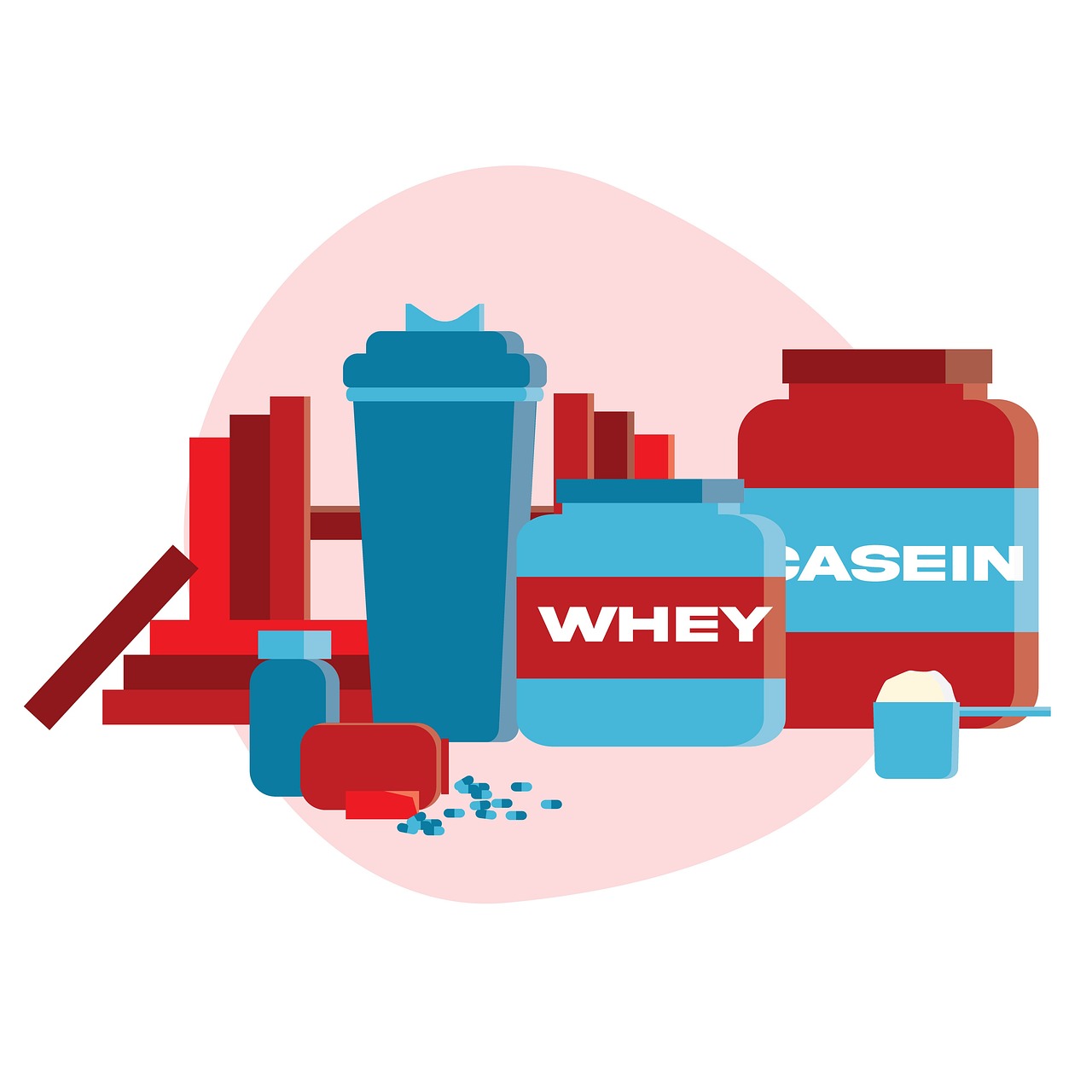
Understanding how protein functions in recovery is vital for athletes and fitness enthusiasts alike. Protein works as a signal activating the cellular mechanisms responsible for muscle repair. When you work out, microscopic tears occur in muscle fibers, and protein aids in the healing process by providing the essential amino acids needed for repair. This biochemical reaction does not happen overnight; it requires consistent protein intake through various meals and snacks throughout the day. Quality of protein is also crucial, as not all proteins are created equal. For instance, whey protein offers high biological value, promoting rapid absorption and can enhance recovery significantly when consumed post-workout. On the other hand, plant-based proteins can also fulfill your recovery needs but might require combining different sources to achieve a complete amino acid profile. Therefore, athletes might consider incorporating whey if they do not forage a plant-based protein alone. Ensuring a mix of fast-digesting proteins like whey and slower-digesting ones, such as casein, can provide sustained amino acid release, supporting muscle recovery long after the workout is completed. Thus, selecting the right protein sources can greatly influence replenishing and rebuilding muscle tissue efficiently.
The Importance of Protein Quality
The quality of protein consumed after workouts impacts muscle recovery extensively. High-quality proteins contain all essential amino acids required for muscle repair. Animal-based proteins, like meat, fish, dairy, and eggs, are considered complete proteins, while many plant-based sources need complementary combinations to ensure balanced amino acid intake. For example, beans paired with rice or hummus with pita can help achieve this balance. In addition, some proteins maintain higher digestibility, ensuring that your body utilizes them effectively. Whey protein stands out for its rich leucine content, a branched-chain amino acid that is crucial for muscle recovery by triggering the pathway that promotes muscle protein synthesis. This makes whey a popular choice amongst athletes. However, it is still beneficial for vegetarians or vegans to explore various plant sources to meet their protein requirements adequately. Quinoa, soy, and pea protein powders are fantastic alternatives that are nutrient-dense and supportive of muscle recovery. By understanding the quality and source of protein consumed after workouts, you will ensure vital recovery through nutrition.
Another critical aspect of post-workout recovery is the synergy of protein and carbohydrates. After intense exercise, muscle glycogen stores diminish, necessitating replenishment alongside protein. Consuming carbohydrates with protein can optimize recovery by enhancing insulin response, which transports vital nutrients into cells, including amino acids from proteins. Adding a carbohydrate source alongside your protein usually means a better recovery outcome. Foods such as bananas, oats, and sweet potatoes work wonders when combined with protein-rich foods. Some convenient examples include a smoothie with protein powder, spinach, and berries or a chicken wrap with whole-grain tortillas and veggies. This combination delivers energy along with protein. Aim for a ratio of about 3:1 or 4:1 of carbohydrates to protein for maximum benefits after workouts. This strategic combination allows your body to recover faster and more efficiently. If you struggle to eat a meal right after your workout, consider protein bars or shakes that include complementary carbs as an alternative. Ultimately, understanding this balance can influence your performance and recovery in substantial ways.
Timing Your Protein Intake
Achieving optimal recovery also involves the timing of protein consumption. Studies indicate that consuming protein shortly after a workout maximizes benefits. The post-exercise period is identified as the anabolic window when your muscles are particularly receptive to amino acids. Ignoring this window may prevent your muscles from recovering and adapting to the demands of the next workout. Research suggests that ideally, protein intake should occur within 30 minutes to two hours after exercise to leverage the recovery benefits fully. However, the specific window may vary depending on the duration and intensity of your workout. Consuming a nutritious meal that includes a source of protein within this timeframe can greatly enhance your recovery process. However, focusing solely on this window may not be enough, especially for those engaging in multiple workouts per day. In such cases, ensuring sufficient protein spread throughout the day, including pre-workout meals, is ideal. This brings about well-rounded muscle repair, allowing athletes to maintain performance levels in subsequent training sessions. Hence, timing your protein intake should be part of your overall nutrition strategy for effective recovery.
Aside from traditional protein sources, many athletes are turning to protein supplements such as shakes and bars for convenience. These offer an easy, portable way to ensure you meet protein needs, especially after workouts. While whole foods are always preferred, supplements can serve as effective alternatives. Whey protein shakes, for example, are popular due to their convenience and rapid absorption rate. Other supplemental sources could include plant-based protein powders, caseins, and meal replacement bars specifically formulated to offer balanced nutrition post-workout. When selecting a supplement, consider factors such as protein content, quality of ingredients, and any added sugars or fillers. Be mindful of your overall dietary goals, whether maintaining, gaining, or losing weight during training. Integrating supplements into your routine can offer benefits but should not replace whole food options where possible. For an optimal approach, combine your supplements with nutrient-dense whole foods to create a balanced recovery meal. Hence, finding the right balance between supplements and whole foods will ensure you are setting the stage for successful recovery.
Hydration: A Key Component
While protein is essential, hydration plays an equally important role in the recovery process. After an intense workout, the body loses fluids and electrolytes through sweat. Replenishing lost fluids is crucial for optimal recovery, as dehydration can impair muscle recovery and performance over time. Water is a fundamental component, but if you engage in prolonged or intense workouts, electrolyte replenishment is equally significant. Sports drinks designed for hydration can help replace electrolytes lost during physical activity. While focusing on post-workout nutrition, ensure you also prioritize adequate hydration. This means drinking sufficient water not only during but after workouts. Consistently monitoring fluid intake and listening to your body’s signals are important, as individual hydration needs can vary based on factors such as body size, workout intensity, and environmental conditions. Including high-water-content foods, like fruits or soups, in your post-workout meals can further support hydration efforts. Optimizing hydration together with protein intake can enhance the recovery process, making it a holistic approach to support your athletic endeavors and overall health effectively.
In conclusion, the role of protein in post-workout recovery cannot be underestimated. Combining high-quality protein sources with strategic timing and carbohydrate intake will yield optimal muscle repair and replenishment after training. Furthermore, incorporating hydration strategies enhances muscle recovery, providing a comprehensive approach to athlete nutrition. As you refine your post-workout nutrition strategy, consider how protein quality and timing can help elevate your recovery process, along with the addition of effective supplementation when necessary. Whatever your goals may be, whether gaining muscle, improving performance, or enhancing recovery, understanding the critical role of protein and its interplay with other nutrients will lead to improved outcomes. This multifaceted approach can inspire effective changes in your nutrition habits and ultimately support your fitness journey. Start by reviewing your current post-workout nutrition practices and adjust them to align with these recommendations for superior recovery. Remember that achieving a balance between protein intake, carbohydrates, and hydration will create a strong foundation for your overall fitness objectives. The right nutrition will pave the way for successful workouts and recovery, preparing you for your next exercise challenge ahead.