
Tactical Training for Injury Prevention and Recovery
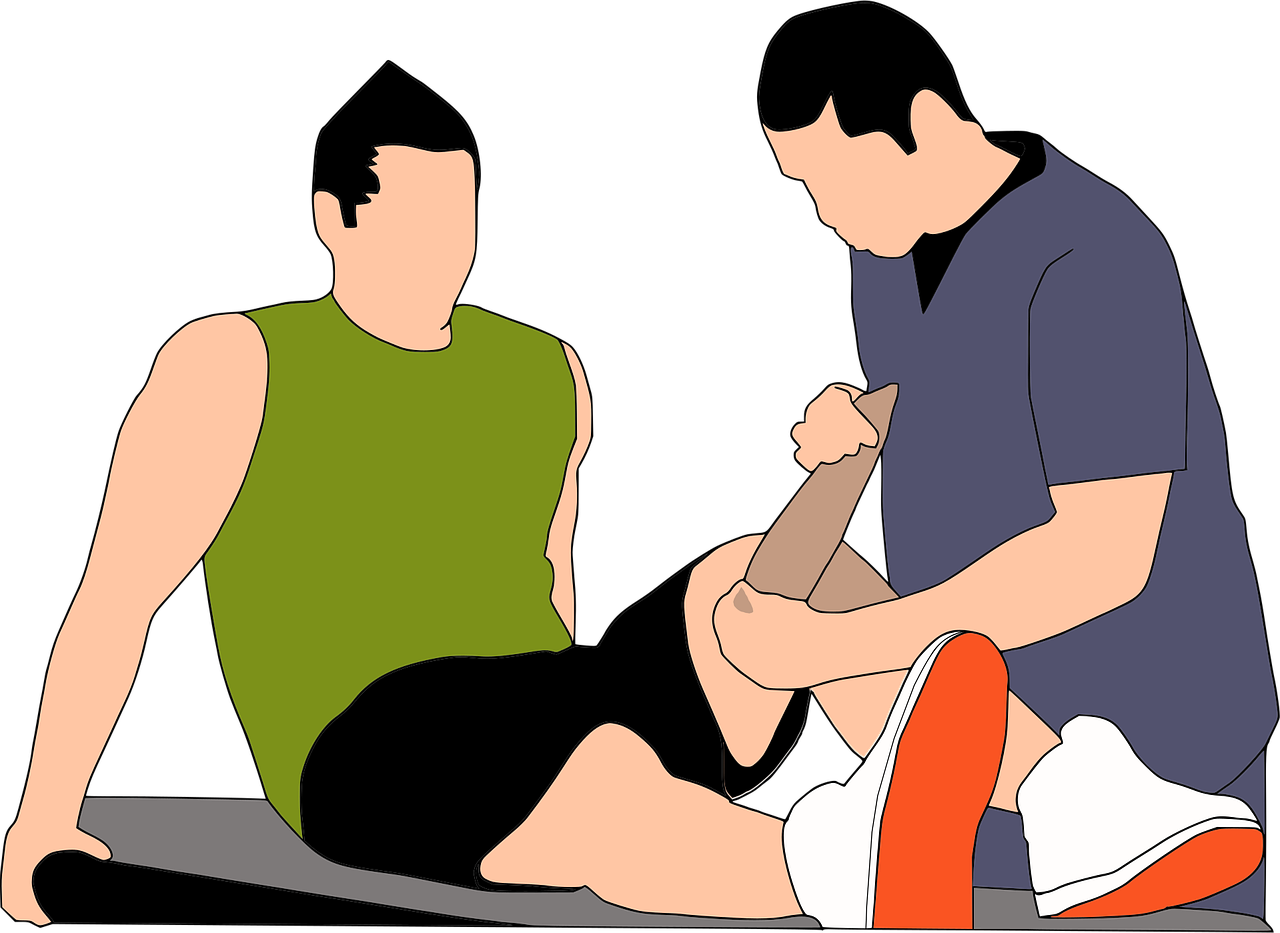
Tactical training is crucial for athletes aiming to enhance their performance while minimizing the risk of injuries. A well-structured tactical training program features strategies that enable athletes to avoid stressing vulnerable areas of their bodies. This can be achieved by emphasizing proper techniques, such as correct movement patterns and adaptive responses during competition or practice sessions. Additionally, tactical training involves understanding an athlete’s unique strengths and weaknesses, allowing for tailored approaches that better prepare athletes for high-pressure situations. It’s essential to incorporate different tactical elements, which may include situational awareness, decision-making under duress, and techniques for evading opponents. By focusing on their tactical awareness, athletes can improve their in-game performance. Furthermore, creating a multi-faceted training program that addresses both physical and mental aspects ensures that athletes can rapidly recover from setbacks. Engaging consultation with trained professionals, including physical therapists and trainers, can offer invaluable insights into individual needs. Therefore, tactical training can be developed into an essential component of injury prevention and recovery strategies, significantly contributing to athletic longevity.
Incorporating Rest and Recovery Strategies
One of the fundamental components of effective tactical training is the integration of rest and recovery strategies that align with the athlete’s personal conditioning and performance. Adequate recovery ensures that athletes can efficiently prepare their bodies for subsequent training sessions or competitions, reducing the likelihood of injuries stemming from fatigue or overtraining. Utilizing various recovery techniques such as active rest, physiotherapy modalities, and hydration plays a pivotal role in healing and performance enhancement. For example, active recovery can include low-impact activities that promote blood flow without putting excessive stress on already fatigued muscles. Similarly, utilizing foam rollers or engaging in deep tissue massage can significantly alleviate muscle tightness and soreness. Moreover, understanding the body’s signals for fatigue is critical in maintaining a balance between training intensity and recovery periods. Athletes who prioritize recovery tend to report improved performance metrics and longevity in their sports. Keeping track of recovery statistics through various means such as wearable technology or training journals can also prove advantageous in comprehensively evaluating performance and readiness for competitions.
Importance of Mental Resilience
Mental resilience is equally essential in tactical training, encompassing the mindset necessary for preventing injuries and ensuring a robust recovery. Athletes face various psychological challenges during high-stake competitions that can lead to injuries if mental preparedness is lacking. Developing mental resilience involves enhancing one’s focus, emotional regulation, and stress management techniques that allow athletes to remain composed and adaptable, even under pressure. By implementing practices such as mindfulness meditation or visualization techniques, athletes can foster a positive and proactive approach to tackle challenges. Engaging in regular mental conditioning, alongside physical training, establishes a well-rounded athlete. For instance, having a solid mental framework assists athletes in recognizing warning signs of fatigue and understanding when their bodies require a pause to avoid potential injuries. Such skills can be practiced through cognitive behavioral techniques or routine drills that incorporate stress-induced scenarios. Coaches can play a critical role in cultivating mental resilience by providing the necessary support and encouragement. Enhancing mental preparation is not merely for improving performance but plays a vital role in injury prevention and effective recovery strategies.
Building Strength and Conditioning
Strength and conditioning is synonymous with tactical training and serves as a buffer against injuries. An athlete’s body should efficiently withstand the physical demands of their sport through balanced strength training, emphasizing both core stability and mobility. Designing a periods strength training regimen can facilitate muscle stability and resilience, reducing the risk of acute injuries during competition. Athletes should focus on functional movement patterns that translate directly to their sport, such as sprinting, jumping, and changing direction. Implementing compound movements such as squats, deadlifts, and lunges during strength training can enhance overall athletic performance. Conditioning exercises also enhance endurance and cardiovascular fitness, critical components for peak performance. Understanding the dichotomy between strength gains and endurance training allows athletes to sustain optimal performance while minimizing injury. Including a balanced variety of movements during training sessions promotes muscular synchronization and joint integrity, vital for avoiding repetitive strain injuries. Moreover, individual conditioning needs must be analyzed, ensuring that unique physical challenges faced by athletes are addressed effectively. This comprehensive approach results in collaborative strength-building strategies across various training modalities.
Integrating Flexibility and Mobility Work
Flexibility and mobility are often overlooked aspects of tactical training yet play a vital role in injury prevention and recovery. Incorporating dynamic stretching, yoga, and mobility drills into training routines can enhance an athlete’s range of motion, allowing for smoother and more efficient movement patterns during performance. Improving flexibility not only contributes to better overall athletic performance but also significantly reduces the risk of strains and sprains that commonly arise from tightened muscles. Regularly scheduled mobility work can be particularly beneficial, as it equips joints with greater functional capacity, enabling athletes to withstand various physical demands. Furthermore, understanding the biomechanical factors behind flexibility allows athletes to tailor their routines based on individual needs and sport-specific movements. Engaging in a proactive approach, athletes should incorporate specific mobility assessments to address personal limitations that could lead to injuries. Mindful integration of flexibility and mobility can become essential aspects of daily training regimens, ensuring optimal preparedness and longevity in an athlete’s career. Thus, flexible and agile athletes can adapt better psychologically and physically during competition.
Value of Cross-Training
Cross-training emerges as an effective tactic in preventing injuries while simultaneously fostering recovery among athletes. By engaging in various physical activities outside their primary sports, athletes can ensure their bodies are well-rounded and less prone to overuse injuries that occur from repetitive movements. This practice allows the muscles used in their primary sports to recover while still maintaining fitness levels through alternative exercises. For instance, a runner might integrate swimming or cycling into their routine to bolster endurance without undue strain on joints. In addition, participating in various activities can provide opportunities for improved skills that can be advantageous in their main sport. Cross-training can also stimulate different muscle groups, potentially leading to improved overall performance. Furthermore, an engaging cross-training regimen can alleviate boredom and burnout associated with constant practice in one sport. Coaches can design tailored cross-training approaches that align with the athlete’s goals, pushing them to explore new skills and capabilities. Overall, cross-training forms an integral part of comprehensive tactical training centered around injury prevention and recovery.
Role of Nutrition
Nutrition significantly impacts an athlete’s performance and ability to recover from injuries, underscoring its importance in tactical training programs. Consuming a well-balanced diet enriched with essential nutrients supports energy levels, optimizes physical performance, and accelerates healing processes. Athletes should focus on incorporating macronutrients, such as proteins for muscle repair, carbohydrates for energy replenishment, and healthy fats for optimal bodily function. Hydration also plays a critical role, greatly affecting both physical and cognitive performance. Maintaining adequate water intake supports muscle function and aids in recovery by reducing soreness and fatigue. Additionally, meal timing can influence recovery rates; thus, athletes must learn to schedule food intake appropriately before and after training sessions and competitions. Consulting with sports nutritionists can further enhance an athlete’s understanding of their unique dietary needs. Customizing nutritional strategies to suit personal goals can dramatically improve overall performance outcomes and support effective recovery. By prioritizing nutrition in their training regimens, athletes can establish a solid foundation for achieving optimal performance while minimizing risks associated with injuries.
Creating a Comprehensive Tactical Plan
A comprehensive tactical training plan emphasizes the integration of various components discussed, effectively bridging the gap between injury prevention and recovery. Ensuring all aspects—strength, conditioning, mental resilience, flexibility, mobility, nutrition, and cross-training—interconnects creates a holistic approach that prepares athletes adequately for performance demands. A thorough assessment is pivotal in customizing an athlete’s training plan based on personal goals, injury history, and current fitness levels. Periodizing the program allows for balanced training phases designed to build and maintain peak performance throughout competitive seasons. Additionally, regular evaluations and feedback sessions help athletes track progress, making necessary adjustments. Coaches play a crucial role in guiding athletes in their tactical journey, providing crucial insights and motivational support. Furthermore, implementing a collaborative approach with other allied health professionals fosters an environment where athletes feel empowered in their recovery processes. An established tactical plan increases the likelihood of reducing injury rates while promoting a systematic recovery regimen. In the competitive sports landscape, adopting such comprehensive strategies can lead to sustainable athletic careers characterized by enhanced performance, resilience, and longevity.