
Perfecting Your Push-Ups with Yoga Alignment Principles
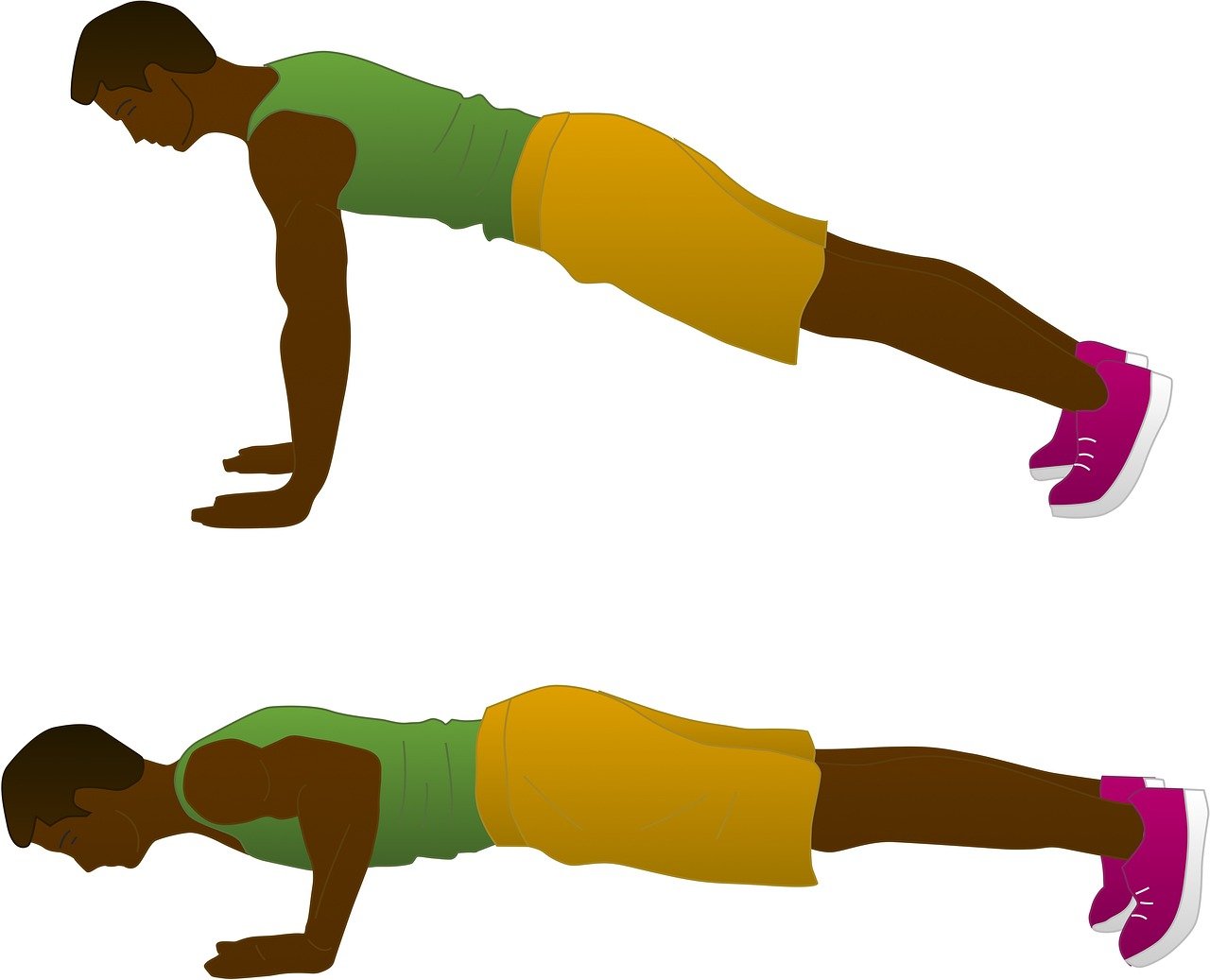
Push-ups are foundational bodyweight exercises that greatly benefit from the principles of yoga alignment. When executing a push-up, the alignment of your body is key to both effectiveness and safety. Poor alignment can lead to discomfort and inhibit progress. Start by positioning your hands slightly wider than shoulder-width apart, ensuring your wrists are directly under your shoulders. Engage your core to maintain a straight line from your head to your heels. In yoga, the concept of “Tadasana” or Mountain Pose helps ground your body, a principle that strengthens the alignment during push-ups. Consider the importance of spreading your fingers wide to create a stable base. This not only enhances grip but also engages more muscles for better support. As you lower your body, keep your elbows tucked close to your ribs, similar to how you’d position them in Chaturanga. This protects your shoulders and works the triceps more effectively. Consistent practice of this alignment, derived from yoga, will elevate the quality of your push-ups, maximizing both strength gain and body control. The synergy between yoga and strength training leads to holistic fitness improvement for every practitioner.
Transitioning smoothly from one push-up to the next can be enhanced by utilizing breathing techniques from yoga. Breath control is crucial in both yoga and bodyweight exercises. In yoga, breath serves as the rhythm of movement, so applying this principle is beneficial for push-ups as well. Inhale as you lower your body towards the ground. This helps to keep your muscles engaged while maintaining stability. As you push back up, exhale forcefully; this action activates your core and stabilizes your spine. By coordinating breath and movement, your push-ups become not only more effective but also less taxing on your body. Furthermore, this awareness fosters mental focus, transforming your workout into a meditative experience. Incorporating pauses at the bottom of your push-up can also be a yoga-inspired modification known as “Staying in the Pose.” This technique builds strength and control. It enables you to maintain alignment and adjust as needed, ensuring each repetition is executed perfectly. Practicing breath control alongside body alignment will ultimately lead to a fuller understanding of your movements, allowing for growth and improvement in your overall fitness journey.
Another vital principle from yoga to incorporate during push-ups is mindful awareness of the body’s alignment from head to toe. This holistic focus helps you recognize any misalignment that could impede performance. Establish your foundation by positioning your toes, ankles, knees, hips, and shoulders in straight alignment. This attention to detail mirrors the mindful practices found in yoga postures. Utilizing a mirror can be advantageous as it reveals how effectively you’re maintaining this form. Pay attention to whether your hips sag or your back arches; these common misalignments can lead to injury over time. Strengthening your awareness fosters improved body mechanics. Additionally, considering the spine’s alignment is essential as it is a focal point in both yoga and efficient push-ups. Your head should align with your spine, creating a straight line, avoiding strain. Imagine elongated space through the vertebrae, similar to the principles taught in the “Bhujangasana” or Cobra Pose. Mindfulness shapes not just physical alignment, but also enhances your connection to movement, providing significant benefits for overall strength development and enhancing your push-up performance.
Integrating Flexibility for Enhanced Performance
Incorporating yoga-inspired flexibility exercises into your routine can drastically improve push-up performance. Flexibility has a direct correlation with strength and endurance. See the inherent relationship: when your muscles can stretch effectively, they can generate more power. Trying stretches like Downward Dog or Cat-Cow can open up the chest and shoulders, preparing your upper body for push-ups. These stretches not only enhance flexibility but also promote blood flow and recovery. Improved flexibility leads to greater range of motion, allowing you to lower down further in a push-up while maintaining proper form. This increased depth of movement translates to more muscle engagement, particularly in the pectorals and triceps. Consider adding a warm-up routine composed of yoga poses before your push-up workout. Holding poses for extended periods enhances stability and awareness in your muscle connections. Yoga’s focus on breathing during these stretches also primes your body for the upcoming exercise. Progressive stretching can foster longer-term benefits, resulting in sufficient strength building and an increased ability to perform more repetitions of push-ups, pushing you further along your strength journey.
Another essential aspect to consider from yoga is the mental focus that can be cultivated during push-ups. Practicing mindfulness helps not just in achieving physical alignment but in developing overall workout concentration. Utilize the principles of Dhyana, or meditation, to cultivate mental clarity during your training. Visualize your form, and be present with every breath and movement as you perform push-ups. Focus on sensations in your muscles; this mindfulness can enhance your awareness of proper body alignment and tension distribution. Instead of rushing through sets, approach each push-up with intentionality. Engage in a self-assessment after each repetition—are you maintaining your alignment? Are you breathing correctly? Yoga emphasizes reflection and adjustment in practice, so integrate this into your push-up routine. The connection between body and mind leads to more successful outcomes and prevents injuries. Eventually, you’ll develop not only strength in push-ups but also in your overall fitness practice. This harmonious relationship between breath, body, and mind, grounded in yoga, results in a profoundly effective workout, shaping you physically and mentally.
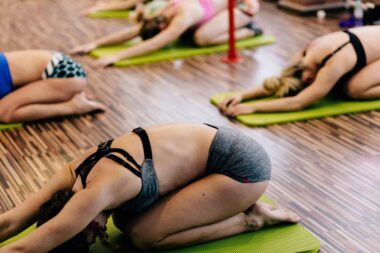
After completing your push-up workout, the importance of flexibility and recovery cannot be overstated. Incorporating yoga stretches post-exercise is essential for recovery and muscle relaxation. Consider poses like Child’s Pose and Supine Spinal Twist, which provide soothing stretches to the chest, shoulders, and arms, helping to counteract the tension built during push-ups. This practice enhances blood circulation, aids in muscle recovery, and reduces post-workout soreness. Furthermore, nurturing your body after intense sessions reflects the holistic approach of yoga; it prioritizes care and listening to your body’s needs. The cooldown process also provides a moment to reflect on your workout, fostering awareness of your progress. Additionally, focus on deep breathing during your cooldown routine. Deep inhalations and exhalations assist in oxygen service, invigorating tired muscles. Stretching and breathing mindfully allows your body to transition smoothly from intense exertion to a restful state, fostering recovery. Make cooldowns a non-negotiable part of your workout sessions; this commitment to care will enhance your overall fitness and elevate your push-up performance over time.
Building Strength Gradually
Incorporate progressive overload when integrating yoga principles into your push-up practice. Start with variations that emphasize alignment, such as kneeling push-ups, to build strength gradually. With a solid foundation, you can increase intensity through various push-up styles, like incline or decline push-ups. By incorporating yoga principles, you’ll enhance muscular engagement, improving strength over time. Mindful strength increases not only better your push-up game but also create a balanced strength-building approach. This requires dedication and understanding that building strength takes time. Document your practice routine; set benchmarks for improvement. Incorporating principles from yoga supports a gradual, steady increase in capacity while minimizing the risk of injury. As you grow stronger, maintain the core alignment foundation established in the beginning—this commitment ensures safety through the evolution of your practice. Balancing bodyweight progressions with yoga-derived mindfulness means you’ll see long-term results, fostering a durable and resilient body. As you enhance your strength and technique, remember to celebrate small victories—this journey combines growth, learning, and perseverance. Following these methods will undoubtedly lead to enhanced performance, power, and understanding of bodyweight exercises.
In conclusion, merging yoga principles with push-ups opens a pathway to improved performance and holistic physical development. The alignment strategies derived from yoga create a balanced practice that enhances every push-up executed. Breath control and mindful awareness cultivated during workouts can dramatically impact strength and mental focus, allowing you to engage fully with each exercise. Flexibility gained through yoga prepares muscles, ensuring safety and promoting better outcomes over time. Recovery through yoga postures enhances relaxation and aids muscle recovery further, promoting longevity in your fitness journey. The journey doesn’t just end with physical changes, but extends to mental fortitude and a profound understanding of your body’s capabilities. By embracing these principles, you will cultivate a respectful relationship with your body, recognizing its needs as you progress. Remember that consistency is key; integrating these strategies requires patience, but the outcomes you’ll achieve will certainly be worth the effort. As you enhance your push-up routine with these methods, you’ll develop not just personal strength but also a deeper connection to your body. The synergized practice of yoga and bodyweight training offers dynamic growth as an athlete, pushing the boundaries of strength and endurance forward.