
Supplements vs. Whole Foods: Pre-Workout Nutrition Choices for Men
Pre-workout nutrition is crucial for men looking to maximize their exercise performance and recovery. The options often boil down to supplements versus whole foods. Supplements offer convenient, often quick-to-prepare solutions, while whole foods provide natural, complex nutrients. Which choice is best depends on personal preferences, dietary restrictions, and training goals. A combination of both can sometimes yield optimal results. Whole foods, like oatmeal and bananas, supply carbohydrates for energy and sustain metabolic needs. They are also rich in vitamins, minerals, and fiber that help improve overall health. On the other hand, supplements, such as protein powders or creatine, can deliver concentrated nutrients that may benefit athletes who have higher demands. Understanding individual nutritional needs is pivotal. Factors such as workout intensity and duration dictate the necessary caloric input. Also, consider timing; consuming a meal or supplement one to two hours prior to working out can enhance performance. Men should balance these choices wisely, ensuring they replenish energy stores efficiently. Optimal pre-workout nutrition leads not only to better performance but also to enhanced recovery and gains over time.
The Role of Supplements in Pre-Workout Nutrition
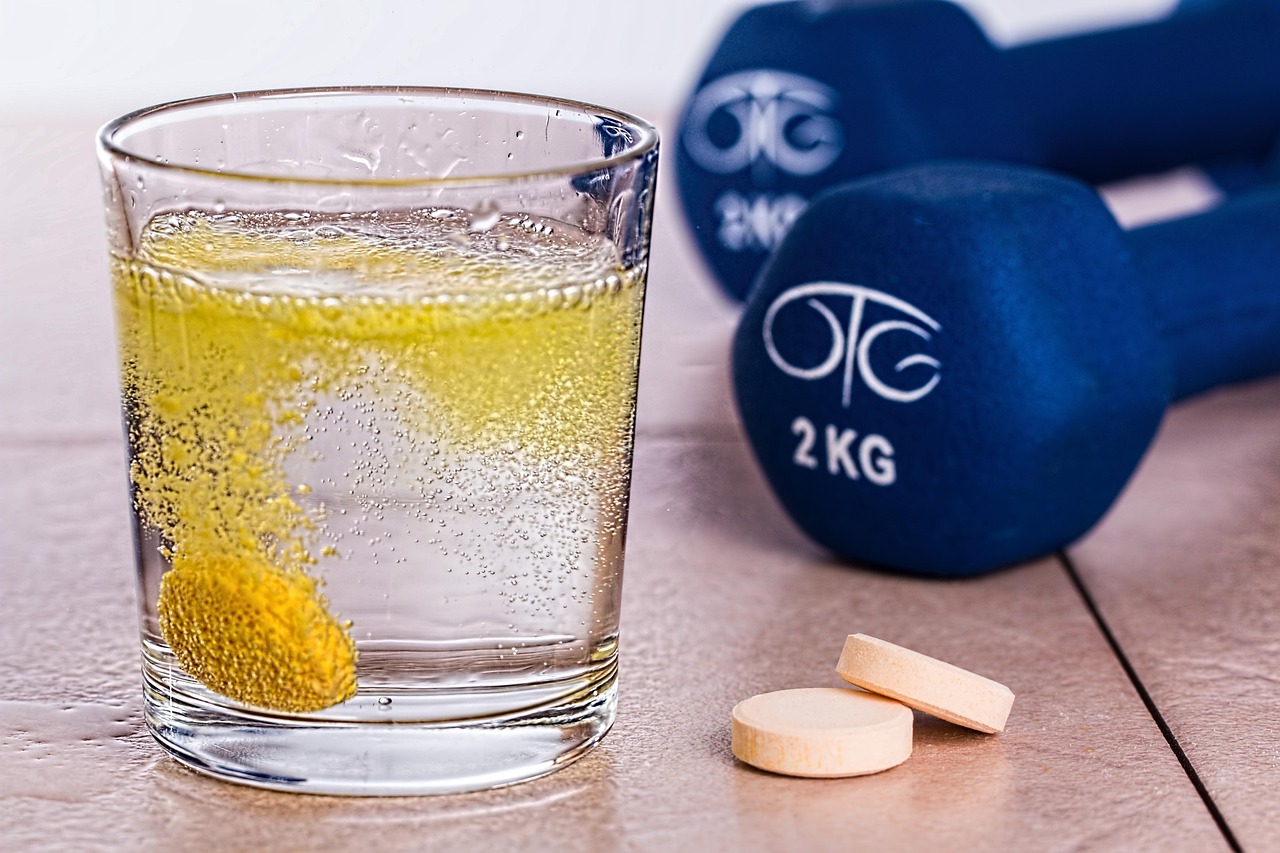
Supplements serve an important purpose in pre-workout nutrition. They are designed to enhance performance, endurance, and recovery, making them increasingly popular among fitness enthusiasts. Common supplements include branched-chain amino acids (BCAAs), creatine, and beta-alanine, each playing a distinct role. For instance, BCAAs help reduce muscle soreness and fatigue, while creatine boosts high-intensity performance by supplying quick energy. Beta-alanine serves to buffer the buildup of lactic acid, prolonging exercise stamina. However, knowing when and how to use these products is essential. Timing your supplement intake can significantly enhance effectiveness. Many athletes take BCAAs before workouts or during exercise to minimize fatigue, while creatine is often consumed post-exercise for muscle recovery. Additionally, hydration is crucial when taking supplements. Proper fluid intake supports nutrient absorption and metabolic function during workouts. This synergy creates an ideal environment for optimal performance. Moreover, supplements can be especially helpful for those with limited access to whole foods or restrictive diets. Nevertheless, balance within a diet remains fundamental, ensuring that supplementation complements overall nutritional intake rather than acting as a sole source.
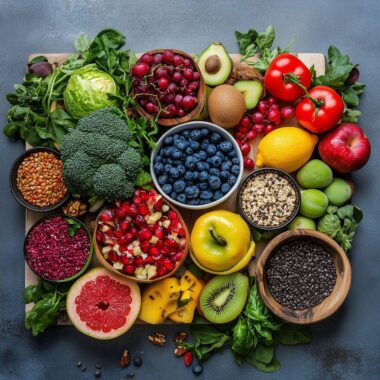
Whole foods offer a rich array of nutrients that are beneficial for pre-workout preparations. While supplements may provide concentrated ingredients, nothing quite matches the balance of nutrients found in whole foods. Foods like chicken, brown rice, and leafy greens are excellent sources of protein, carbohydrates, and vitamins, fueling the body effectively. Whole foods generally contain additional micronutrients and phytonutrients that are essential in maintaining overall health, which cannot always be replicated in supplement form. Preparing a meal one to two hours before a workout is ideal. Oats, Greek yogurt, or smoothies packed with fruits can provide sustained energy without causing discomfort. Furthermore, digestion timing plays a critical role; consuming easily digestible meals can prevent gastrointestinal distress during workouts. Whole foods also contribute to muscle repair post-exercise due to their protein content. Options like eggs and nuts allow for effective recovery, minimizing soreness after training sessions. Incorporating these into pre-workout snacks not only boosts energy but also promotes overall well-being. While supplements can enhance performance, they should be viewed as additional tools rather than replacements for the fundamental benefits that whole foods provide.
Best Whole Foods for Pre-Workout Fuel
Choosing the right whole foods for pre-workout nutrition can significantly impact performance. Optimal choices include complex carbohydrates, lean proteins, and healthy fats. Some preferred foods for energy enhancement are oatmeal, whole grain bread, and sweet potatoes. These options provide sustained energy by releasing carbohydrates gradually. Lean proteins such as chicken or turkey are excellent for muscle repair, contributing to strength during exercises. Healthy fats from sources like avocado help in hormone production essential for recovery. Additionally, fruits such as bananas and berries can serve as quick energy sources, rich in vitamins and antioxidants. A well-rounded pre-workout meal may consist of a protein-rich smoothie with fruit and spinach, which offers not only energy but also contributes to hydration. Hydration should not be neglected—drinking enough water is essential, especially before intense training sessions. Timing meals appropriately is crucial; ideally, ingesting these whole foods one to two hours before exercising ensures proper digestion and the energy required for optimal performance. Men looking to raise their fitness levels should experiment with different whole food combinations to find what best fuels their workouts.
While both supplements and whole foods excel in providing pre-workout nutrition, they can complement each other when used wisely. Many successful athletes utilize both to maximize their potential, pulling on the distinct advantages each has to offer. When time is tight, or energy levels need immediate boosting, supplements can provide the necessary kick. Conversely, whole foods incorporate satisfactory calorie content needed to complete workouts effectively. The secret lies in blending these resources for a diversified approach to pre-workout meals. It’s vital to experiment with different combinations to find what harmonizes best with individual body needs and workout routines. More importantly, everyone should consult healthcare or nutrition professionals to tailor their nutrition plan to unique needs. With the proper strategies, an athlete can ensure that pre-workout nutrition is not only manageable but also enjoyable. Keeping track of meals and supplements through a journal can help identify patterns that work best. This proactive approach supports the athlete’s personal journey to improved fitness, showing them the clear path to sustainable energy and recovery options that truly work. Optimal performance starts with smart, informed decisions regarding nutrition, allowing for enhanced gains.
Final Thoughts on Pre-Workout Nutrition for Men
Pre-workout nutrition plays a significant role in achieving fitness goals, especially for men engaged in demanding exercise routines. The interplay between whole foods and supplements offers diverse options to tailor a nutrition plan that suits personal aspirations effectively. Men should prioritize understanding personal needs shaped by their unique training objectives and dietary preferences. Furthermore, staying well-informed about nutrition can lead to better performance outcomes and recovery. The benefits of proper pre-workout nutrition extend well beyond just immediate energy boosts; they also lay the groundwork for a sustainable fitness lifestyle. A consistent focus on balancing whole foods and supplements, along with an awareness of timing, hydrating adequately, and tracking progress, contributes substantially to overall success. More importantly, feel free to adjust the pre-workout strategy based on lifestyle changes and workout intensity. It is never too late to rethink dietary habits to suit evolving health and fitness needs. Ultimately, the focus should always remain clear: fueling the body appropriately is essential to unleashing its full potential, regardless of personal fitness goals.
In conclusion, the debate between supplements and whole foods for pre-workout nutrition boils down to personal choice. Each option has its unique benefits, and finding the right balance is key. Supplements allow for tailored nutrition, especially for those with busy schedules or specific dietary needs. Whole foods, on the other hand, provide the comprehensive nutrient profiles that support long-term health and energy. Combining both options can ensure well-rounded pre-workout nutrition. Men are encouraged to explore various foods, supplements, and timing methods to discover what helps them perform their best. Proper pre-workout nutrition isn’t just about immediate gains; it’s about building a foundation for sustained health and performance over time. Understanding personal requirements and adjusting approaches accordingly is vital. Listening to the body’s responses can help in making informed decisions, promoting the effectiveness of both food sources. Engaging with expert guidance on nutrition can also provide clarity. Ultimately, striking a balance between natural foods and efficient supplements will contribute to achieving one’s fitness aspirations, maximizing the outcome of every workout, and supporting overall wellness in a dynamic lifestyle.
References for Further Reading
For individuals interested in diving deeper into pre-workout nutrition, multiple resources are available, providing evidence-based information and case studies. Nutritional science journals and reputable health websites often feature studies showcasing the effectiveness of various supplements versus whole foods. One useful source includes the International Society of Sports Nutrition (ISSN), which publishes reputable articles on optimal nutrition for athletic performance. Online platforms like PubMed also host numerous studies detailing how different macronutrients affect workout outcomes. Books authored by nutrition experts often offer comprehensive insights into meal planning, focusing on pre-workout meals designed for athletes. Tracking emerging trends in nutrition can also yield valuable information for optimizing performance. Websites featuring community forums might allow users to exchange ideas about their own successful experiences with pre-workout nutrition. Engaging with a registered dietitian or sports nutritionist guarantees tailored advice. The increasing awareness around pre-workout nutrition highlights its significance, serving both casual gym-goers and professional athletes alike. Ultimately, staying informed on nutrition trends can empower individuals to make choices that align with their fitness and health journeys.