
Balancing Flexibility and Strength for Optimal Core Performance
Achieving optimal core performance combines the balancing act of flexibility and strength. Understanding this complex relationship is crucial for athletes aiming for peak performance levels. Core stability is not just about developing strong abdominal muscles but also involves ensuring that the surrounding muscle groups are appropriately conditioned. This conditioning enhances overall functionality, enabling fluid movement necessary for various sports activities. Additionally, implementing flexibility training can significantly contribute to better range of motion, which plays a pivotal role in dynamic sports movements. Incorporating practices like yoga and Pilates can improve flexibility while contributing to core stability. These practices allow athletes to engage their core in multiple planes of movement, promoting better coordination and control during performance. By fostering such balance, athletes will notice substantial improvements in their performance levels and reduction in injury risks, leading to a more sustainable athletic career. Achieving this equilibrium is a dynamic process, requiring dedication and a strategic approach to training that emphasizes both flexibility and strength. As an athlete seeks to improve their game, understanding how these factors interplay becomes invaluable for achieving lasting results.
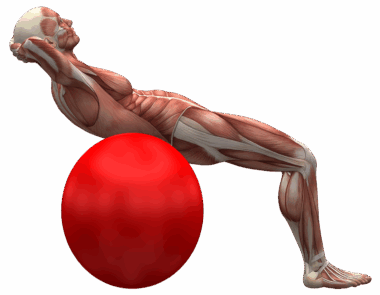
Core strength refers to the capability of various muscle groups to work together in stabilizing the body during movement. The inclusion of exercises targeting both the superficial and deep abdominal muscles leads to enhanced performance outcomes. For example, conventional sit-ups may improve strength but fail to develop the deep stabilizing muscles effectively. Therefore, athletes can benefit from integrating unstable surfaces into their training, which challenges core stability more thoroughly. Techniques such as balance boards or stability balls can engage deep muscles while enhancing proprioception, essential for coordination. Furthermore, focusing on rotational movements can help build strength in positions that athletes commonly encounter during competition. Athletes should also include compound movements in their routines to engage multiple muscle groups simultaneously. These actions not only promote strength but also flexibility when performed with proper technique. In addition, mobility drills should be part of any training regimen to maintain functional ranges of motion. Ultimately, specialized training can optimize core performance by ensuring that flexibility and strength development go hand in hand, translating directly into improved athletic performance.
The Role of Flexibility in Core Stability
Flexibility plays a vital role in maintaining core stability and should not be underestimated. When muscle groups are flexible, they are far less prone to injury and can endure physical challenges more efficiently. Regular exceptional flexibility training can lead to increased blood flow and nutrient distribution to the muscles, promoting recovery and resilience. Stretching exercises targeted at the core and adjoining muscle groups enable athletes to maintain optimal range of motion, essential for executing explosive movements. If the core muscles are tight and lack flexibility, it can negate the benefits of strength training. Enhanced flexibility improves athletic performance by enabling more powerful movements and boosting overall agility. It can also facilitate proper posture and alignment, which are crucial for effective core stabilization. Athletes might incorporate dynamic stretches that mimic movement patterns before engaging in intense workouts. By working on flexibility, athletes can optimize their strength gains as well, creating a well-rounded training routine. Above all, combining strength and flexibility proves essential for achieving peak core performance.
Performance goals in strength training must align closely with flexibility training for maximum efficacy. This alignment includes specific objectives such as improving your squat depth or enhancing balance during lifts. Monitoring these performance indicators helps in tailoring training programs towards the athlete’s unique needs. Additionally, understanding your body and recognizing when to prioritize strength or flexibility can lead to better training outcomes. The timing of workouts dedicated solely to strength or flexibility should coincide with periods of intense training to prevent fatigue and overtraining. Employing recovery techniques, such as foam rolling, aids in maintaining flexibility, particularly after strength training sessions. It is also crucial to pay attention to nutrition and hydration during this phase, as adequate recovery supports both strength and flexibility improvements. Furthermore, setting aside dedicated periods for a more extensive flexibility-focused workout can yield significant results. Communication with coaches and trainers regarding these needs ensures that training remains effective and tailored to support optimal core performance. Ultimately, successfully navigating the relationship between strength and flexibility will lead to an elevated athleticism.
Integrating Training Methods
A balanced strategy for core performance must incorporate various training methods specialized for flexibility and strength. High-intensity interval training (HIIT) can serve as an efficient way to combine aerobic and anaerobic exercise, enhancing cardiovascular fitness while building strength. Including compound exercises targeting multiple muscle groups contributes to increased caloric burn and improved metabolism. In addition, emphasizing core-targeted exercises like planks, deadlifts, and squats can engage crucial stabilizing muscles while improving muscular endurance. Athletes should also consider functional movements, focusing on how the body moves in real-life situations. Circuits that integrate strength training with flexibility drills can effectively enhance distress management, allowing athletes to transition seamlessly between demanding tasks. Adding plyometric elements allows for explosiveness while ensuring that strength gains transitions into the movement speed required for sports performance. Scheduling recovery days is essential for fine-tuning performance while preventing injuries. Periodization of training illustrates how strength and flexibility must be strategically incorporated, with a distinct focus that evolves over time as performance needs change. Proper integration ultimately empowers athletes to fulfill their potential through core strength and flexibility.
The psychological aspect of training should not be overlooked when pursuing optimal core performance. Mental resilience and a focused mindset set the stage for adopting effective training routines. Visualization techniques may assist athletes in preparing mentally for emphasizing core strength and flexibility. The mental commitment to balancing these two aspects will determine training outcomes and performance success. Furthermore, goal setting allows for measurable progress tracking and personal accountability toward flexibility and strength targets. Athletes can establish specific, actionable goals that match their overall training plan, such as mastering particular flexibility poses or progressively increasing resistance levels in strength training. Emphasizing consistency in practice reinforces commitment to training while allowing for gradual development. Employing mindfulness techniques during workouts enhances present-moment awareness, promoting a better engagement level with core training. Additionally, working with a coach or partner creates external motivation and provides valuable feedback. Such collaborative practices ensure that both strength and flexibility aspects receive equal attention. Ultimately, the psychological approach plays a crucial role in optimizing core performance based on improved balance between flexibility and strength.
Concluding Thoughts
In conclusion, achieving optimal core performance necessitates a harmonious balance between flexibility and strength. Athletes will experience improved performance levels by understanding how these two elements complement each other. Strategic training should encompass techniques targeting both aspects in a methodical manner, ensuring enhanced athleticism while reducing the risk of injury. Flexibility training promotes a full range of motion, allowing strength training gains to translate into functional performance, aiding various athletic endeavors. Recognizing the critical interplay between flexibility and core stability sets the foundation for individual athletes to tailor their training. Consistent assessment of performance goals provides insights into progressing in areas of strength and flexibility and fosters commitment. Integrating diverse training methods ensures comprehensive engagement with core muscles, optimizing overall performance outcomes. The journey towards balance is an ongoing process, aligning one’s mindset and training to reinforce this pursuit. Working continually towards a unified training approach optimized for flexibility and strength leads to sustainable success in sports. Emphasizing both core stability components ultimately dedicates an approach to enable athletes to realize their true potential, resulting in superior athletic achievements.
Embarking on this journey begins with recognizing that balancing strength and flexibility is not merely an athletic goal, but a vital aspect of lifelong wellness. Athletes, regardless of their background, can benefit from understanding and incorporating the principles discussed for both immediate and long-term advantages. Implementing consistent training schedules, augmented with cross-training methods, can lead to increased overall body awareness, coordination, and functionality. This holistic approach towards core performance prepares athletes for various challenges, both physical and mental, allowing them to adapt as they progress in their fitness journeys. With technological advancements, utilizing apps or wearable devices can help track progress and encourage motivation in maintaining balance between these fitness disciplines. As knowledge increases around the importance of core stability, athletes must remain proactive in their training methodology to ensure no aspect is neglected. Ultimately, achieving a balance between flexibility and strength will not only enhance athletic performance but also ensure longevity in sports participation. Every athlete should strive towards integrating a comprehensive understanding of core stability that fosters resilience and adaptability throughout their careers, illustrating that success stems from harmonizing these two vital components.