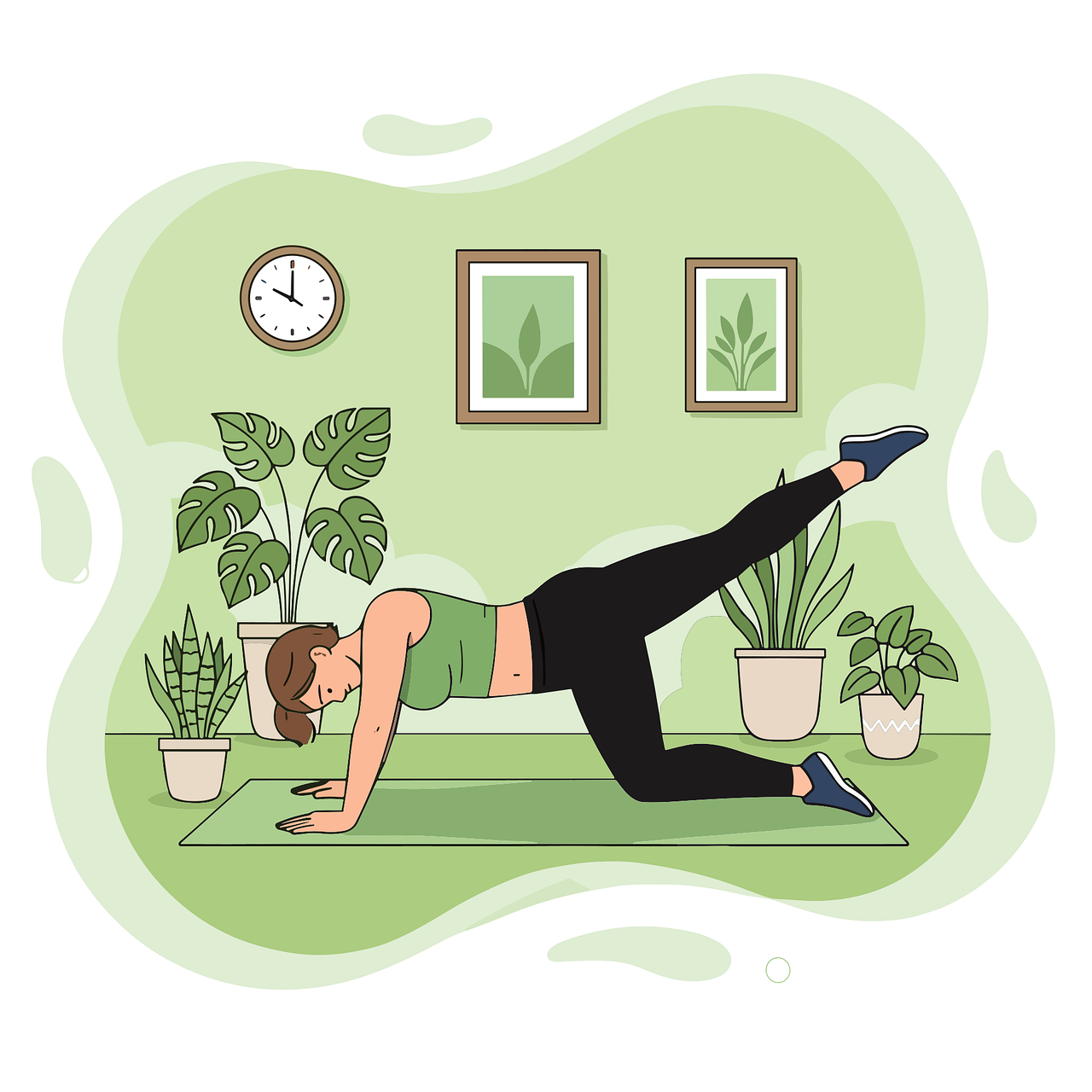

Combining Mental Wellness and Physical Exercise at Home
Fitness and wellness are integral components of healthy aging, particularly for seniors. Engaging in home workout plans tailored for the elderly can significantly enhance both physical health and mental well-being. Physical activity helps maintain mobility, strength, and balance, reducing the risk of falls and injuries. Moreover, regular exercise releases endorphins, which contribute to improved mood and lower levels of anxiety. Seniors can opt for various activities like chair yoga, gentle aerobics, and strength training, which are adaptable to different fitness levels. Importantly, it’s advisable for seniors to consult healthcare providers before beginning any new exercise regimen. This will ensure that the chosen activities align safely with any existing health conditions. Additionally, group classes, whether virtual or in-person, can foster a sense of community and belonging among older adults. This social aspect of exercising is just as crucial as the physical benefits. Engaging with peers adds motivation, making workouts feel less like a chore and more like an enjoyable social event. Ensuring an inviting, safe space at home for exercise can further enhance the likelihood of sustained commitment and engagement.
Creating a conducive environment for home workouts is essential for seniors. This involves clear spaces, stability, and availability of necessary equipment like resistance bands and light weights. Organizing a clutter-free area allows for free movement and reduces the risk of accidents. Incorporating motivating elements such as uplifting music or visuals can enhance the workout experience. Furthermore, using technology, such as fitness apps or video demonstrations, can provide guidance and structure. Many apps now offer tailored workouts for seniors, complete with illustrations for clarity. Joining online communities can also provide encouragement and support throughout their fitness journey. Establishing a routine is key; dedicating specific times during the week for workouts can help form a habit. Simple tasks, like stretching before and after workouts, prepare the body for exercise and aid in recovery. It’s important for seniors to celebrate small achievements. Whether it’s completing a workout session or improving in strength, acknowledgment boosts confidence and reinforces consistency. Remember, fitness is not just about the physical aspects; it also fosters mental clarity and emotional stability. Finding joy in the process can lead to long-term engagement and improved quality of life.
The Role of Mental Wellness in Fitness
Mental wellness and physical exercise are intricately linked, especially for older adults. The pursuit of fitness goals is driven not just by the need for physical capability but also by the desire for mental acuity. Engaging in consistent physical activity helps maintain cognitive function, combatting age-related decline in various capacities. Additionally, mindfulness practices entwined with physical exercise can significantly enhance mental health. For instance, practices like tai chi combine gentle movements with conscious breathing, promoting relaxation and mental focus. The integration of these elements improves the overall workout experience, creating a holistic approach to health. Further, research supports that aerobic exercises, even at modest intensities, can elevate mood and cognitive performance. Nutrition also plays a pivotal role, as diets rich in vitamins, minerals, and antioxidants contribute to cognitive clarity and energy levels. Maintaining hydration is crucial for cognitive function as well. Keeping a balanced diet enhances both physical capabilities and mental performance. In this way, seniors should consider their overall lifestyle, including hydration and nutrition, to optimize both their physical and mental health.
Developing a balanced fitness plan requires consideration of individual preferences and limitations. Graduating through intensity levels allows seniors to adapt as their strength improves without risking injury. Essential components include cardiovascular work, strength training, and flexibility exercises. Cardiovascular exercises can be low-impact, like walking or dancing, to elevate heart rates safely. Aim for at least thirty minutes, several days a week. Strength training can utilize body weight—such as squats and modified push-ups—or light weights to enhance muscle tone and mass. Lastly, stretching exercises encourage flexibility and range of motion, increasing overall mobility. Many organizations offer home workout plans designed for seniors, providing structured guidance. Resources such as community centers often provide classes or materials specifically geared toward seniors. Moreover, engaging family members in workouts can foster companionship and increase commitment levels. Even simple activities like gardening or walking the dog can serve as beneficial exercise. Incorporating fitness into daily routines makes the process enjoyable and sustainable. Seniors should remember that progress, no matter how small, contributes to enhanced overall well-being, encouraging a longer, healthier life.
Setting Realistic Goals
Establishing achievable goals enhances the motivation to engage in regular physical activity. For seniors, it’s critical to focus on incremental improvements rather than overwhelming expectations. Start by setting small, specific goals that cover different aspects of fitness. For instance, a good starting point might be to aim for a ten-minute walk daily, gradually increasing duration as stamina builds. Additionally, combining variety within workouts can help sustain interest. Exploring new activities ensures that exercise doesn’t become monotonous. Some might find enjoyment in water aerobics, while others may embrace the calming routines of yoga. Importantly, tracking progress can be immensely rewarding. Keeping a fitness journal or employing mobile applications can aid in monitoring accomplishments and milestones, reinforcing determination. Expressing gratitude for one’s body during these activities enhances the mental wellness aspect. Sharing experiences, whether with family or friends, fosters a support system that further enhances accountability and encouragement. Celebrating each achievement, no matter how trivial it may seem, nurtures a positive mindset, creating an uplifting cycle of motivation. Focus on the journey of fitness rather than just the destination, as every step contributes to improved health and wellness.
Lastly, it’s essential to remember that physical fitness is a lifelong journey, not a one-time event. Setting an emphasis on consistency rather than perfection promotes longevity in fitness. Seniors who foster resilience through workout plans demonstrate enhanced capabilities in daily life and improved emotional health. Arthritis, joint pain, and other health conditions may surface, yet adapting exercises and recognizing limits are crucial for staying active. Communities of care, whether family or friends, can significantly boost motivation. Additionally, seniors should remain open to modifications, opting for gentler forms of exercise as needed. Practicing patience will significantly alleviate the pressures of expectations, offering peace of mind that every effort aids in overall well-being. Enriching this endeavor with opportunities for social interaction further bolsters commitment; engaging others fosters healthy competition while reinforcing community bonds. In conclusion, the intertwined relationship between mental wellness and physical exercise establishes a foundation for senior fitness. With ongoing efforts, positive attitudes, and supportive environments, seniors can enjoy a vibrant, active lifestyle at home.
In summary, combining mental wellness with physical exercise offers profound benefits for seniors. The delicate balance between maintaining physical health while caring for mental fitness is vital to overall well-being. Interactive home workout plans, geared specifically for older adults, can serve as vehicles for achieving these goals effectively. Consideration of personal preferences allows the creation of enjoyable routines, while seeking guidance provides structure. Establishing realistic expectations and support systems enhances motivation to stay active. While challenges may arise, patience and adaptability are key elements in this journey. Utilizing technology and community resources can provide engaging alternatives to traditional home workouts. The outcome is a harmonious blend of physical strength and mental stability, resulting in a fulfilling lifestyle. Celebrate each small milestone achieved along this journey to empower continued efforts. Mental clarity aids in improving physical performance, ensuring a comprehensive approach to aging successfully. Thus, each aspect of wellness works in tandem to foster a healthier, happier life, allowing seniors to thrive within their homes by establishing routines that become part of their daily rhythm.