
Best Cycling Shoes and Pedals for Triathletes
When it comes to triathlon cycling, selecting the right gear is crucial. One of the most important choices triathletes make is to find the best cycling shoes and pedals suited for them. The perfect combination enhances performance and provides comfort over long distances. Top cycling shoes offer attributes like breathability, lightweight design, and optimal stiffness for better power transfer. Pedals that provide ease of entry and release are fundamental for transitioning swiftly in a triathlon setting. As triathletes often endure rigorous conditions, durability in both shoes and pedals is paramount. Competitive cyclists prioritize these aspects when making purchases. Additionally, some prefer clipless pedals for their ability to maintain foot position while pedaling vigorously. It’s essential for athletes to determine whether they prefer SPD or Look-style pedals and what shoe compatibility will best suit their riding style. Researching different brands, checking user reviews, and testing various options contribute to an informed decision. A triathlete’s performance can greatly depend on their gear selections, so investing time into making the right choices will pay off on race day.
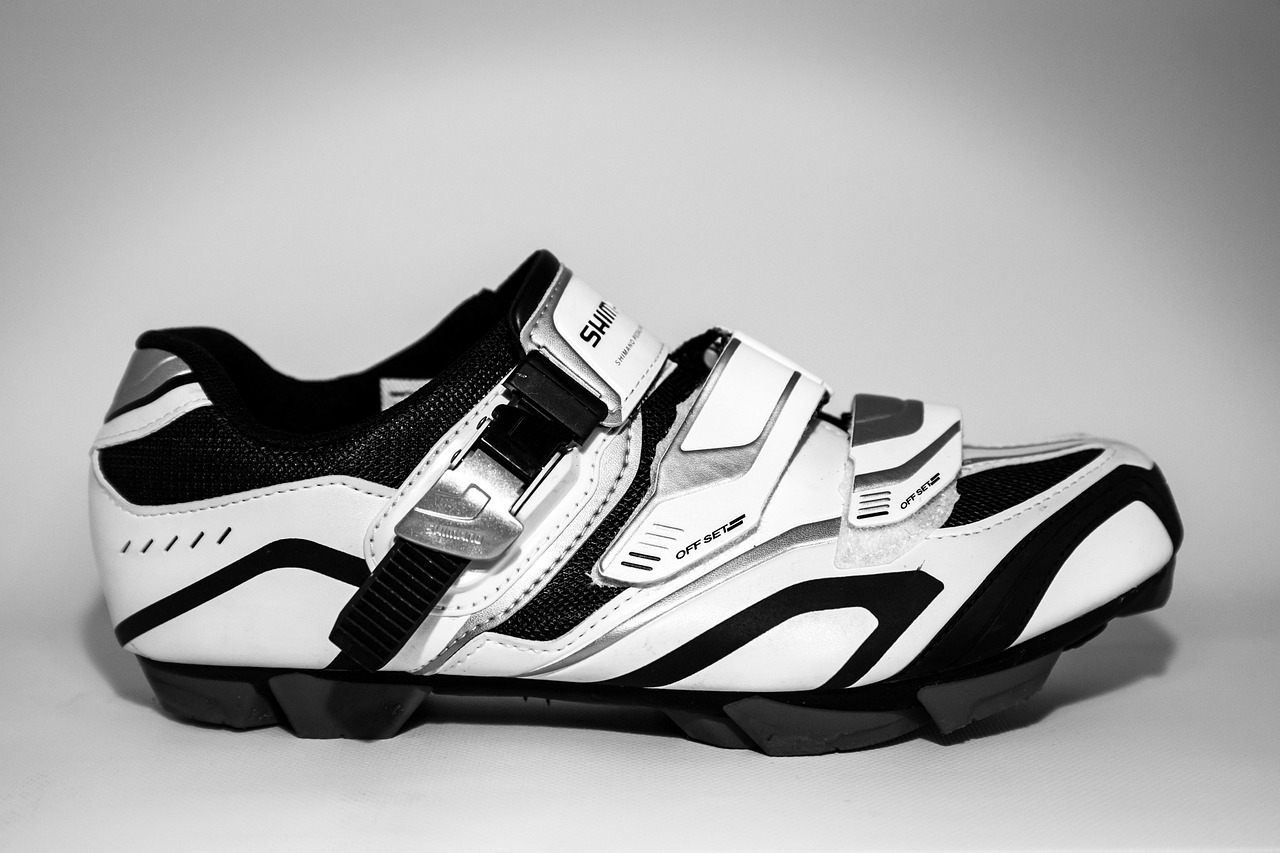
With numerous options available, let’s explore some top recommendations for cycling shoes ideal for triathletes. Brands like Shimano, Specialized, and Giro offer great selections that cater to the unique needs of competitive cyclists. Shimano’s SH-RC9 shoes stand out with their exceptional fit and performance, making them ideal for both sprint and long-distance triathlons. Meanwhile, Specialized’s S-Works 7 is another fantastic choice, featuring a carbon sole for a superb power transfer. Riders appreciate the snug fit and lightweight nature of this shoe. Giro is also renowned for its Empire E70 model, praised for versatile use and comfort. Many triathletes look for shoes with quick-release Velcro straps or BOA closures for easy adjustments during transitions. For those who experience multiple disciplines, a good shoe can take the pounding of running and cycling just as well. Each shoe listed employs innovative materials to minimize weight and maximize breathability. Ultimately, selecting the shoe that feels right while providing the right features can make a world of difference in a triathlete’s success. Keep trying various options until you find your ideal match.
Features to Look for in Cycling Shoes
When selecting cycling shoes, triathletes should prioritize comfort and fit. A snug fit eliminates any foot movement while pedaling, which can lead to blisters and discomfort. Furthermore, shoes with a breathable upper material ensure airflow and effective moisture management during races. The stiffness of the sole impacts power transfer; therefore, a stiffer shoe enables cycling enthusiasts to get the most out of each pedal stroke. The weight of the shoe is another factor that can influence performance. Lighter shoes result in less leg fatigue and an easier ride overall. Additionally, adjustable closures can assist athletes in achieving their perfect fit. Velcro straps or lace systems allow customization for varying foot shapes. Shoes should also have enough room for orthotics if needed, ensuring that you can use any supportive insert. Try to test the shoes on your bike to get a feel for how they handle on the road. Finally, consider the durability of the materials, as athletes require shoes that withstand the rigors of training and competition alike. All these features combined will help any triathlete perform at their peak.
Pedals play a critical role in how efficient a rider’s cycling performance can be during a triathlon. Clipless pedals are favored for their ability to secure the shoe in place, allowing for seamless pedal strokes without worrying about foot movement. Brands such as Look and Shimano manufacture some of the best pedals that athletes rely on. The Look Keo Blade 2, for example, prides itself on its lightweight design and adjustable tension. Both features are crucial to riders as they provide a tailor-fit experience. Shimano also has great options; their Dura-Ace PD-R9100 pedals are highly respected for their reliability and ease of use in transitions. Choosing pedals that suit your shoe style is essential; thus, checking compatibility is mandatory. Additionally, consider how much float you prefer, as this can directly affect rider comfort. When setting up pedals, ensure they are positioned correctly to benefit biomechanics and reduce stress on knees. When investing in pedals, researching available models and understanding how they match needs can significantly enhance a triathlete’s performance during competitions or workouts. Thus, don’t hesitate to ask fellow triathletes for insights.
Combining Shoes and Pedals
Once you have shortlisted suitable cycling shoes and pedals, it’s essential to consider how they work together effectively. Shoes and pedals should have the same clip system for compatibility. Inadequate fitting can hinder performance and result in time lost during transitions, which can be particularly devastating in a race. Ensuring that the cleats on shoes align perfectly with the pedals is quintessential. Additionally, learning how to adjust cleats properly can optimize your riding experience. Some triathletes invest in multiple cleat positions until they find the perfect angle. The appropriate angle can empower a more natural pedaling position, lowering the chance of injury. Furthermore, investing in quality cleats can enhance durability, especially for competitive cyclists participating in multiple races. Understanding how changes in shoes or pedals affect performance is key for enhancing overall results. Make adaptations to pedal tension based on experience; as you improve, you may wish for tighter or more forgiving settings. Ultimately—pay attention to the growing symbiosis between your shoes and pedals as you evolve as a triathlete seeking peak performance.
When racing, triathletes can opt for specific cycling shoes designed explicitly for triathlon considerations. These shoes frequently feature quick-drying fabrics, drainage holes, and easy-entry designs. Moreover, many shoes come equipped with rear pull straps to facilitate fast transitions. Styles from brands like Pearl Izumi are excellent in this niche, with their tri-specific designs garnering praise from many athletes. Features like wider openings allow faster foot entry, while lightweight materials keep athletes speedy. The ability to quickly enter shoes as you transition from swimming adds to a triathlete’s efficiency. In testing various models, finding a perfect fit while considering issues such as water retention after swimming is important. Additionally, consulting fellow athletes or experts provides insights into which triathlon-specific shoes hold up in races. While these shoes are perfect for racing, athletes should also explore what they feel comfortable training in. Choosing shoes that serve multiple functions can save costs while aiding comfort during intensive training. Ultimately, triathletes should find what works best and invest wisely to experience gains during triathlon challenges.
Conclusion
In conclusion, selecting the best cycling shoes and pedals is a key element for triathletes aiming for top performances in their races. The pursuit of efficient power transfer, comfort in long-distance rides, and effective transitions can make all the difference during competitions. Strong cycling shoes with exceptional features can transform how an athlete performs overall, while high-quality pedals enhance cycling efficiency greatly. Moreover, the synergy between shoes and pedals is indispensable, as compatibility leads to improved results and reduced fatigue. In triathlon-specific options, shoes designed with quick-drying features are advantageous. Triathletes must prioritize fittings and styles based on individual needs; thus, testing different models and brands contributes significantly to success. Effective communication with fellow athletes can provide useful tips and discourage poor buying decisions. Innovations in cycling gear continue to improve, which keeps competition fierce; thus, staying up to date with gear can benefit athletes in their performance. It’s essential to stay informed, proactive, and dedicated to finding the best bicycle gear for advancement in triathlon cycling pursuits. Strive to make informed choices that foster enjoyment and success in this exhilarating sport.
Now that you know what to look for in your cycling shoes and pedals, take the first step toward your best triathlon performances. Invest wisely in research and testing by visiting your local bike store or expert shops, seeking guidance from experienced triathletes who can offer insights into their favorite choices. Following community forums for updates on trends about equipment can also enhance your experience, while online resources allow you to expand your knowledge about necessary gear. Triathletes must appreciate that equipment plays a significant role in training and racing, and the right fit and combination can mean everything. Make sure to evaluate several options before finalizing your cycling shoes and pedals selection, as your preferences may evolve with experience. Before long, you will have the ideal setup for a competitive edge. Your gear selection is just as vital as your training regimen—commit time to explore every aspect that can improve performance and comfort. Always remember: informed choices lead to triumphant races, and excitement lies ahead in your triathlon journey. Know your body, your preferences, and let that guide you to becoming a better athlete.