
Myth: Cardio Is Only for Weight Loss
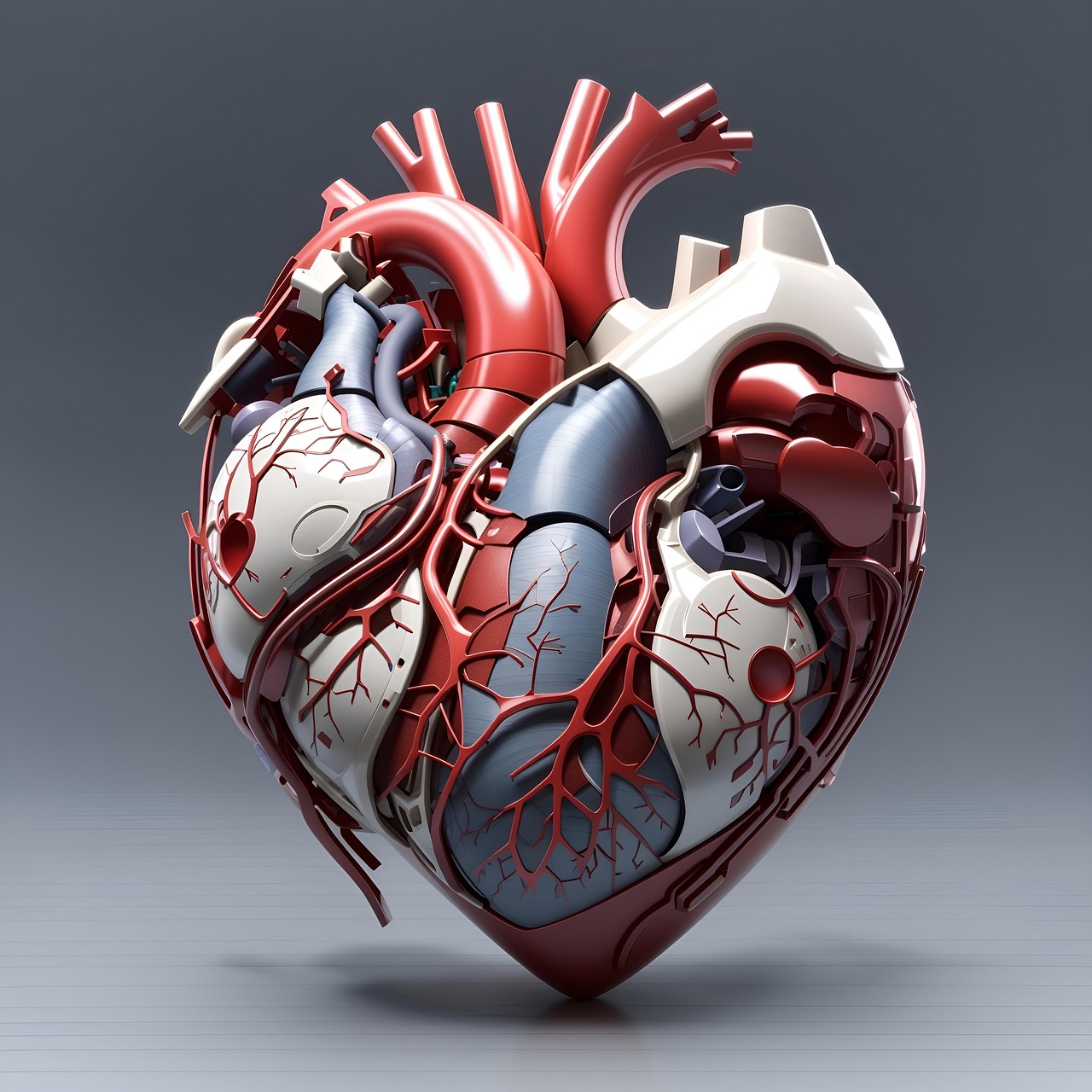
One of the prevalent misconceptions surrounding cardiovascular training is that it’s solely aimed at weight loss. While it’s true that cardio exercises help burn calories and aid in weight reduction, reducing weight isn’t the only benefit offered by these workouts. Cardiovascular training plays a crucial role in enhancing overall health and fitness. Engaging in regular cardio helps improve heart health, increases lung capacity, and boosts endurance. Furthermore, this type of training promotes better circulation throughout the body. Another significant aspect often overlooked is the positive impact of cardio on mental well-being. Activities such as running, cycling, and swimming can lead to the release of endorphins, commonly known as the “feel-good hormones.” Besides improving mood, cardiovascular exercises can reduce anxiety and stress levels. Thus, while cardio can indeed assist in weight management, it’s essential to recognize its multitude of benefits. It’s recommended to integrate various forms of cardiovascular exercises for a well-rounded fitness regime. So, whether you aim to lose weight or improve your overall health, cardio training is an invaluable component of a balanced fitness lifestyle. The journey towards fitness is not solely about the scales.
Additionally, many people believe that cardio must be performed for long durations to be effective, which is another myth. In reality, short bursts of high-intensity cardio are also incredibly beneficial. High-Intensity Interval Training, or HIIT, is a popular method that alternates between intense activity and short rest periods. This method not only saves time but has also been shown to burn more calories in a shorter amount of time compared to steady-state cardio. Moreover, HIIT workouts can enhance both aerobic and anaerobic performance, making them excellent for improving overall fitness levels. Those new to cardio training often mistakenly think that it’s too strenuous and might lead to injury or overwhelm. By starting slowly and gradually increasing intensity, individuals can safely integrate cardiovascular training into their routines. It’s crucial to listen to one’s body and opt for activities that are enjoyable and sustainable. Doing so leads to improved adherence to exercise routines over time. Remember, the key is to find a balance between the intensity and duration that fits your fitness level while ensuring you enjoy the process. Emphasizing enjoyment can significantly motivate persistence in cardio workouts.
Next, it’s important to note that the type of cardio chosen matters just as much as the duration or intensity. Many people solely associate cardio with traditional exercises like running or biking. However, a wide range of activities can qualify as cardiovascular training. Dancing, swimming, and even active games like basketball or soccer can elevate heart rates and provide substantial cardiovascular benefits. Therefore, it’s prudent to explore various forms of cardio to keep things engaging and fun. Many individuals may feel deterred because they consider running monotonous or exhausting. Opting for different activities can make the experience enjoyable while still obtaining the fundamental benefits. Not only does variety combat boredom, but it also engages different muscle groups, promoting overall strength and flexibility. It’s also an excellent way to involve friends or family, turning workouts into social occasions. Incorporating fun elements into cardio can maintain motivation and help prevent burnout. Creating routines that combine different activities can lead to long-lasting changes in habits. Ultimately, the best cardio exercise is one that fits your preferences and lifestyle, ensuring you stay committed for the long run while fully reaping the benefits.
Moreover, another misconception regarding cardio workouts is that they can be performed efficiently without strength training. In fact, incorporating strength training alongside cardio is crucial for optimal health and muscle preservation. While cardiovascular training primarily targets fat burning during the workout, strength training incredulously boosts metabolism even after completing the session. By building muscle mass, you increase resting metabolic rate, meaning your body burns more calories at rest. Many people neglect this aspect, thinking cardio alone is sufficient for weight maintenance and overall fitness. The synergy between strength training and cardio fosters better physical performance and increases the variety of workouts. Additionally, it aids in reducing the risk of injuries often associated with repetitive motion in purely cardiovascular activities. Balancing both types of training can lead to better body composition, improved muscle tone, and enhanced physical function. Thus, it’s essential to tailor your fitness plan to include both cardio and strength elements for comprehensive benefits. Engaging in this balanced regimen is vital for achieving fitness goals and cultivating a strong, resilient body. Overall, both cardio and strength training complement each other effectively.
Furthermore, another frequently ignored aspect is the role of recovery in cardiovascular training. Many individuals tend to overlook the necessity for rest days in their workout schedules. Continuous cardio routines without adequate rest can lead to overtraining, exhaustion, and even injuries. Recovery is a key component of any training program as it allows the body to repair itself and rejuvenate. Therefore, integrating rest days and low-intensity recovery workouts can make a significant difference in performance over time. Activities like yoga, walking, or gentle cycling are excellent for staying active while promoting recovery. When planning your cardio sessions, consider spacing them throughout the week to allow muscles to recover properly and adapt. Such recovery practices can lead to enhanced performance during subsequent cardio workouts. It’s vital to remember that improvement in cardiovascular fitness isn’t always about pushing harder every session; sometimes, allowing time for recovery improves long-term performance. Embracing a holistic approach to fitness that prioritizes balance, rest, and varied workouts will culminate in sustained results and motivation. With appropriate care, individuals can maximize their potential and enjoy their fitness journey.
Lastly, it’s crucial to mention that everyone’s fitness journey is unique, and personal goals should drive your cardio training. The focus on weight loss can lead many down a narrow path, neglecting other valuable fitness objectives. Individuals may aim for enhanced athletic performance, improved endurance, or simply better health markers. Customizing cardio routines to accommodate individual goals can provide greater satisfaction and motivation. Additionally, understanding that fitness encompasses overall well-being rather than just physical appearance encourages a healthier mindset. Setting realistic and holistic fitness goals helps track progress and maintain motivation. Instead of fixating on weight, emphasizing improvements in endurance, strength, and even mental clarity can foster a healthier relationship with exercise. Cardiovascular training should ultimately promote a sense of empowerment and enjoyment rather than trivialize individuals’ efforts to lose weight. Engaging in activity that aligns with personal health goals is a rewarding experience. A well-rounded fitness regimen that values personal achievements over societal expectations leads to a positive transformation. Remember, everyone’s body reacts differently to exercise, so it’s critical to find practices that resonate with your ambitions.
In summary, while many view cardio as merely a weight-loss tool, its benefits extend far beyond that singular purpose. Cardiovascular training improves heart health, lung capacity, and mental well-being. Misconceptions about necessary durations and types distract from diving into enjoyable forms of exercise. It’s essential to challenge the notion that cardio must be tedious to be effective. Adopting varied workout plans prevents boredom, cultivates physical enjoyment, and can lead to long-term commitment. Integrating strength training, recognizing the importance of recovery, and embracing individual goals further amplify the advantages of cardio. As a comprehensive approach to fitness continues to gain momentum, it’s essential to understand each facet contributes to overall wellness. Prioritizing personal motivations above societal standards fosters a fulfilling exercise experience. In conclusion, reflect on these insights and consider how you integrate cardio into your lifestyle holistically. Understanding its multi-dimensional benefits enables better appreciation of cardiovascular training in every fitness journey. So go ahead, lace up those shoes, and discover the myriad of ways cardio can fit beautifully into your life.