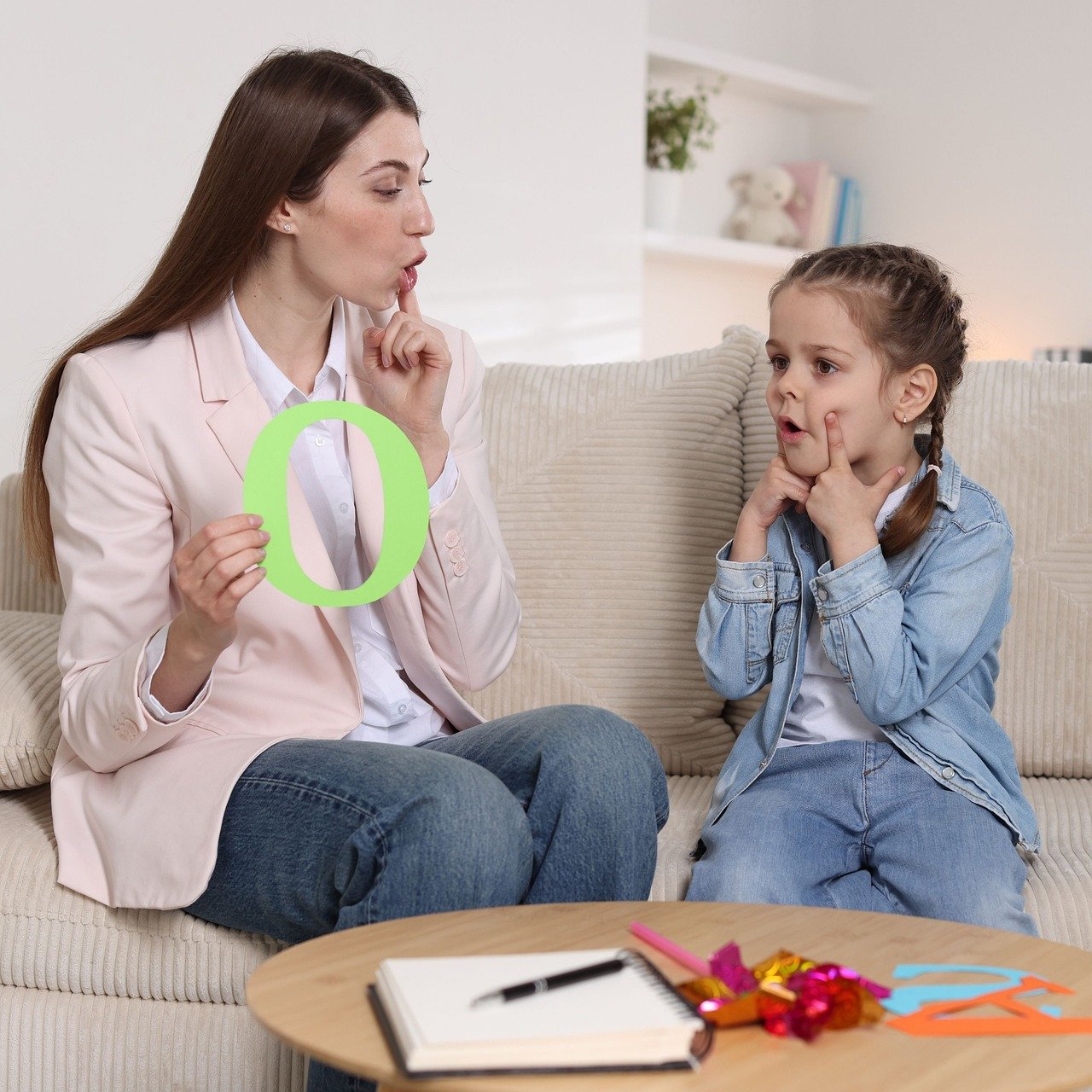

Incorporating Occupational Therapy and Fitness for Autism
Individuals with autism spectrum disorders (ASD) face unique challenges that impact their physical fitness, social skills, and emotional well-being. Incorporating occupational therapy (OT) alongside fitness programs offers a comprehensive approach to addressing these needs. OT emphasizes skill development in daily activities, enhancing participation in both structured workouts and everyday life. Fitness activities tailored for those on the spectrum can encourage physical health while building confidence and social interactions. Since individuals with ASD often exhibit different levels of sensory sensitivity, fitness programs should consider these variations. Providing a comfortable environment is essential for success. A structured routine can also help alleviate anxiety related to new activities. Setting goals can motivate individuals and help track progress. Collaborating with trained professionals who understand both OT and physical fitness ensures that program content is suitable for participants’ abilities. This synergy between therapy and fitness allows individuals with ASD to engage meaningfully while promoting overall health. Utilizing adaptive equipment, personalized guidance, and supportive peer interactions facilitates a positive experience in fitness settings. As a result, individuals with autism can develop vital skills, improve fitness levels, and foster social connections in various environments, ultimately enhancing their quality of life.
When designing a fitness program for individuals with autism, several key components should be considered. First, the environment in which activities occur must be engaging yet serene, minimizing distractions that could overwhelm participants. Second, trainers and therapists should utilize clear and concise communication to provide instructions. Visual aids can be extremely beneficial, helping to translate verbal communication into more easily understood formats. Third, personalizing fitness activities according to individual abilities and preferences can enhance motivation. Offering choices empowers participants and may lead to longer sustained interest in the fitness program. Additionally, employing positive reinforcement techniques can instill a love for activity and greater commitment. Incorporating social skills training with fitness practices encourages interaction among peers within a safe and structured setting. This integrative approach helps individuals build friendships while focusing on personal physical health. Finally, regular evaluations of progress should be implemented to adapt the program. This ensures it remains relevant and beneficial for the individual’s ongoing needs, celebrating achievements and adjusting objectives as necessary. Through these tailored strategies and considerations, a fitness program can greatly affect individuals on the autism spectrum, ultimately promoting their independence, confidence, and overall well-being.
The Role of Occupational Therapy in Fitness
Occupational therapy plays a crucial role in developing fitness programs tailored for individuals with autism. OT practitioners assess each individual’s strengths, challenges, and preferences, ensuring that fitness initiatives align with their needs. In OT, the focus is on enhancing functional abilities, which directly benefit engagement in physical activity. For example, sensory integration techniques can help individuals navigate the challenges posed by physical activity. Occupational therapists might utilize games and enjoyable activities to develop motor skills and promote physical wellness. They may also integrate strategies to improve social interactions, such as partner workouts that foster teamwork and communication. Collaborating with fitness trainers amplifies the benefits, as OT practitioners can provide insights that accompany physical training and help trainers tailor activities to individuals’ unique requirements. This partnership leads to a holistic fitness approach that nurtures both physical capabilities and personal growth. Structured activity programs that incorporate elements of play promote both engagement and enjoyment, encouraging individuals with Autism to embrace fitness as a lifelong habit. By creating a supportive, adaptive environment and enhancing self-esteem, occupational therapy contributes significantly to the development of engaging fitness programs for individuals with autism.
A variety of fitness activities can be successfully adapted for individuals with autism, fostering both health and social skill development. Activities such as swimming, martial arts, and dance provide opportunities for movement while allowing personal expression. Swimming is particularly beneficial as it offers sensory experiences within a calm environment, promoting relaxation and confidence. Martial arts encourage discipline, focus, and resilience, which are paramount for personal growth. Dance, on the other hand, allows for creativity and can be a joyful way to connect socially with peers. Additionally, group fitness classes tailored for this population can serve as a supportive platform for building friendships. Outdoor activities, such as hiking or cycling, can also engage individuals with autism in nature, providing beneficial stimulation for the senses while improving fitness levels. When fitness activities are structured, consistent, and include clear instruction, they often yield successful results. Setting small, achievable goals fosters a sense of accomplishment, which helps individuals understand their progress and promotes continued participation. Elements such as adaptive equipment and warm-up games can be integrated to enhance preparedness and reduce anxiety before activities, creating an overall positive experience in fitness settings.
Challenges and Solutions
While fitness programs for individuals with autism can provide numerous benefits, various challenges may arise. One significant challenge is the differing levels of ability within a group, making it essential to provide a personalized approach that meets each person’s unique needs. Moreover, many individuals with ASD may have difficulty with transitions, particularly from structured therapy environments to fitness settings. Addressing these challenges requires proactive planning. Increased staffing ratios can ensure that all participants receive adequate support. Developing a structured schedule that gradually builds on fitness concepts can help ease anxiety related to new activities. Another challenge involves sensory sensitivities; therefore, creating a sensory-friendly space is critical. This can include adjusting the level of stimulation and providing personalized sensory breaks as needed. Staff training and education are vital in equipping fitness professionals to manage these circumstances effectively. Utilizing a reward system can also enhance motivation and engagement, helping individuals navigate challenges with a positive mindset. Ultimately, understanding potential barriers and thoughtfully addressing them can lead to greater success. A willingness to adapt and learn allows fitness providers to create inclusive programs that empower individuals with autism to thrive and enjoy a healthier lifestyle.
Family involvement is an essential factor in encouraging participation in fitness programs for individuals with autism. When families engage in fitness endeavors, they provide critical support and motivation for their loved ones. Family members can attend sessions to understand the activities and become familiar with the strategies used, thereby reinforcing positive behaviors at home. Additionally, creating opportunities for family participation in fitness activities can promote cohesion and strengthen connections among family members. Group fitness options designed for families allow them to bond while promoting physical health. Encouraging open communication between program staff and family members ensures everyone is on the same page. Updates regarding each individual’s progress can help family members celebrate achievements together, fostering a supportive environment. Moreover, peer support systems can also encourage participation and empowerment. Pairing individuals with autism with trained peers can create mentorship opportunities and help normalize fitness experiences. Careful collaboration among families, fitness professionals, and therapists leads to tailored strategies that enhance overall family involvement. Investing in family opportunities to connect, share, and engage ultimately creates a supportive environment, which is paramount in encouraging ongoing participation in fitness for individuals with autism.
Conclusion: Towards an Inclusive Future
Incorporating occupational therapy into fitness programs for individuals with autism significantly enhances their physical health and well-being. By recognizing the unique challenges and strengths of individuals on the autism spectrum, tailored programs can be developed to foster engagement and personal growth. Through collaborative efforts between occupational therapists, fitness trainers, and families, comprehensive and effective fitness strategies can be fully realized. Addressing sensory sensitivities, providing individualized instruction, and fostering social interactions create a supportive environment for all participants. Furthermore, educational resources for staff, families, and community members ensure a cohesive understanding of autism and its effects on fitness engagement. The dynamic between occupational therapy and fitness continues to show promising results, as individuals experience improvements in social, emotional, and physical well-being. As we look towards the future, it is crucial to expand access to these resources while promoting inclusivity within fitness settings. Ongoing research and advancements could further enrich programs, ensuring individuals with autism attain the optimal benefits from physical fitness endeavors. By working together to create robust connections and promoting health and fitness, we can effectively empower individuals with autism to thrive and enhance their life quality as they navigate daily challenges.
By advocating for greater understanding of the importance of fitness and occupational therapy in the autism community, we pave the way for more inclusive and supportive environments. Collaboration among stakeholders, including individuals with autism, their families, healthcare providers, and fitness centers, is vital for sustained success. Continuous improvement and adaptation of fitness programs can lead to increased interest and participation among individuals on the spectrum. As awareness grows, so does the potential for positive change, creating a ripple effect in various communities. Ultimately, the aim is to provide all individuals, regardless of ability, with the opportunity to lead healthier and more fulfilling lives. By emphasizing a commitment to adaptive fitness practices, we foster inclusive environments that celebrate diversity while promoting health and well-being. Such endeavors can help dismantle misconceptions surrounding autism and physical health, leading to expanded access to tailored programs that meet individual needs. When we advocate for inclusivity in fitness spaces, we create pathways for individuals with autism to engage meaningfully in their communities. The journey towards a more inclusive future starts now, combining expertise, compassion, and dedication to building a healthier world for everyone.