
Hydration Considerations for Pregnant Athletes
Maintaining adequate hydration is critically important for all individuals, but pregnant athletes face unique challenges when it comes to fluid intake. Pregnancy induces changes in body composition, metabolism, and hormonal balance, all of which affect hydration needs. During exercise, especially in hot or humid conditions, these changes can lead to increased fluid loss through sweat. Pregnant athletes are encouraged to regularly assess their hydration status to prevent potential complications. Inadequate hydration can result in decreased performance, increased body temperature, and lower amniotic fluid levels. To ensure optimal hydration, pregnant athletes should focus on both water and electrolyte intake. Electrolytes help balance the body’s fluids and support hydration retention. Consuming electrolyte-rich foods, such as bananas and oranges, along with drinking fluids is essential. Pregnant individuals should strive for at least 10 cups of fluids per day, adjusting for activity level and heat exposure. Consistent monitoring and adjustments to hydration practices can significantly benefit both the expectant mother and her developing baby. Staying informed and proactive about fluid intake can help mitigate risks associated with dehydration during pregnancy and athletic endeavors.
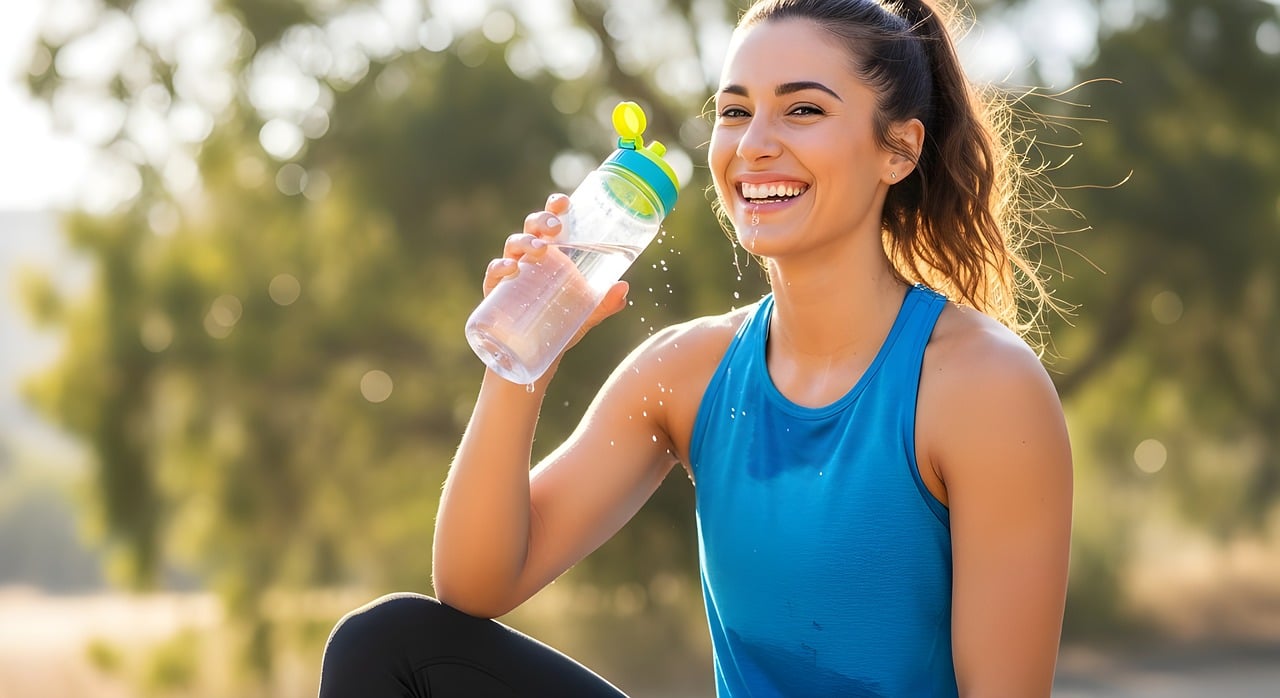
Understanding the signs of dehydration is fundamental for pregnant athletes. Symptoms can include symptoms include fatigue, dizziness, and dry mouth, which can be easily mistaken for other pregnancy-related issues. When exercising, it’s crucial to recognize these signs promptly and take action. Pregnant athletes should educate themselves about the specific hydration needs experienced during pregnancy. Research has demonstrated that fluid needs can increase substantially during physical activity, necessitating careful planning. An effective strategy includes drinking fluids before, during, and after exercise to maintain hydration levels. Pregnant individuals can carry a reusable water bottle during workouts to encourage regular sips. A good goal is to drink around 8 ounces of fluid every twenty minutes during exercise. Including hydrating foods in the diet can also support overall hydration status. Fruits and vegetables with high water content, such as cucumbers and watermelon, can contribute to fluid intake. Adjusting intake based on environmental conditions is crucial, particularly during hot and humid weather. By adopting practical hydration strategies, pregnant athletes can sustain their performance and safeguard their health.
Hydration Methods and Strategies
In addition to understanding fluid needs, pregnant athletes should also implement effective hydration methods during training and competition. One effective strategy involves planning fluid breaks during longer workouts or events, which allows time for rehydration, minimizing the risk of dehydration. Utilizing sports drinks that contain both electrolytes and carbohydrates can also be beneficial for recovery and replenishing lost electrolytes after intense exercise. Continued research emphasizes the importance of individual hydration strategies; different athletes may have varying responses to fluid intake based on sweat rate and exercise intensity. Keeping a daily log of fluid intake and noting responses during exercise can provide valuable insight into personal hydration needs. Pregnant athletes should be aware of their body’s signals and adjust fluid intake accordingly. Hydration needs may fluctuate throughout pregnancy due to changes in body composition and hormonal levels. Regular check-ups with a healthcare provider can also offer guidance on hydration and nutrition during pregnancy.
Fluid loss during exercise can significantly impair both performance and overall health for pregnant athletes. Ensuring proper hydration can help maintain energy levels during workouts and prevent overheating. One common recommendation is to utilize the technique of ‘drinking to thirst,’ which encourages individuals to consume fluids based on their body’s signals rather than following strict guidelines. However, during intense physical activity, this approach may not always be sufficient. Pregnant athletes should proactively establish hydration plans tailored to their personal needs before they begin exercising. Additionally, women can consider incorporating oral rehydration solutions, especially in situations where significant fluid loss may occur. These solutions contain balanced electrolytes and can help replenish fluids more effectively. Hydration belts, packs, or easily accessible water stations can be useful during longer training sessions or races, ensuring that fluid is readily available. Educating oneself on the best hydration practices enhances performance and helps prevent adverse pregnancy outcomes, creating a healthy foundation for both mother and child. Listening to one’s body and adapting as needed is essential.
Importance of Post-Exercise Hydration
Post-exercise hydration is crucial for recovery, particularly for pregnant athletes. After exertion, the body requires additional fluids to restore balance and support overall health. Replenishing lost fluids promptly helps avoid complications such as urinary tract infections, which can be more frequent during pregnancy. Consuming water alongside electrolyte-rich snacks post-exercise can facilitate better restoration of hydration levels. Foods high in sodium, potassium, and magnesium can support recovery and muscle function. During pregnancy, many athletes find that they naturally crave certain foods that help replenish lost minerals. This can be useful in guiding fluid and food choices after workouts. Ideally, athletes should aim to hydrate within thirty minutes after exercise ends, maximizing recovery benefits. However, ensuring an adequate fluid supply throughout the day is key, as hydration has cumulative effects on performance and well-being. Pregnant athletes should work closely with healthcare professionals, including nutritionists, to personalize hydration and nutrition strategies tailored to their unique needs. Monitoring both hydration and nutrition forms an essential part of a comprehensive approach to athletic performance and pregnancy health.
Furthermore, understanding the role of physical activity during pregnancy can be empowering for athletes who are expecting. Exercise can provide significant benefits, including improved mood, increased energy levels, and lower risk of complications during pregnancy. However, combining exercise with proper hydration practices is essential to maximizing these benefits. Pregnant athletes often face unique pressures but can still pursue their fitness goals through smart planning. Engaging in low-impact activities such as walking, swimming, or cycling can offer an excellent way to stay active while paying close attention to hydration requirements. Each trimester may present different challenges; the key is to remain adaptable and create a hydration plan that fits within each individual’s lifestyle. Consulting with fitness professionals familiar with pregnancy considerations can be beneficial. They can provide insights and support for hydration, exercises, and healthy habits during pregnancy. Armed with knowledge about hydration and its importance, pregnant athletes can embrace their athletic pursuits without sacrificing wellness.
Staying Hydrated During Warm Weather
Hydration becomes even more critical during warm weather or summer months when outdoor activities increase. Pregnant athletes must be particularly vigilant, as high temperatures can lead to rapid fluid loss. Heat can also exacerbate feelings of fatigue and dizziness, making it crucial to stay ahead of one’s hydration needs. To combat heat-related issues, expectant athletes can adopt a few practical strategies. Firstly, they should practice morning or late evening workouts when temperatures are cooler. Secondly, wearing light, breathable clothing can aid in temperature regulation and comfort. It is also advisable to keep electrolyte drinks cold and readily available, as colder drinks can be more appealing during hot conditions. Regularly checking urine color can serve as a helpful indicator of hydration status; pale yellow usually signifies proper hydration, while darker shades suggest the need for increased fluid intake. Staying actively aware of environmental conditions helps pregnant athletes remain proactive in their hydration efforts when exercising outdoors. By adjusting workout timing and clothing, pregnant athletes can ensure they stay refreshed and healthy while maintaining an active lifestyle.
In summary, hydration is a cornerstone of health for pregnant athletes and significantly affects their performance and overall well-being. Awareness of hydration needs and developing customized hydration strategies can help prevent dehydration during pregnancy, allowing athletes to engage in physical activity safely. Regular intake of both fluids and electrolyte-rich foods is essential for maintaining hydration levels, particularly during exercise. By recognizing signs of dehydration and employing effective hydration methods during workouts, pregnant athletes can enjoy a successful and healthy athletic journey. Post-exercise hydration must not be neglected, as it plays a vital role in recovery and health. Furthermore, being adaptable, especially during seasonal changes, ensures that hydration practices remain effective. Overall, education about hydration connects to broader wellness for both mother and child. Knowledgeable attention to hydration needs empowers pregnant athletes to confidently pursue their fitness goals while supporting their health and the well-being of their baby. In doing so, expectant mothers can continue to engage in sports while ensuring a healthy pregnancy journey ahead.