
How to Use Wearables to Monitor Your Mobility and Flexibility
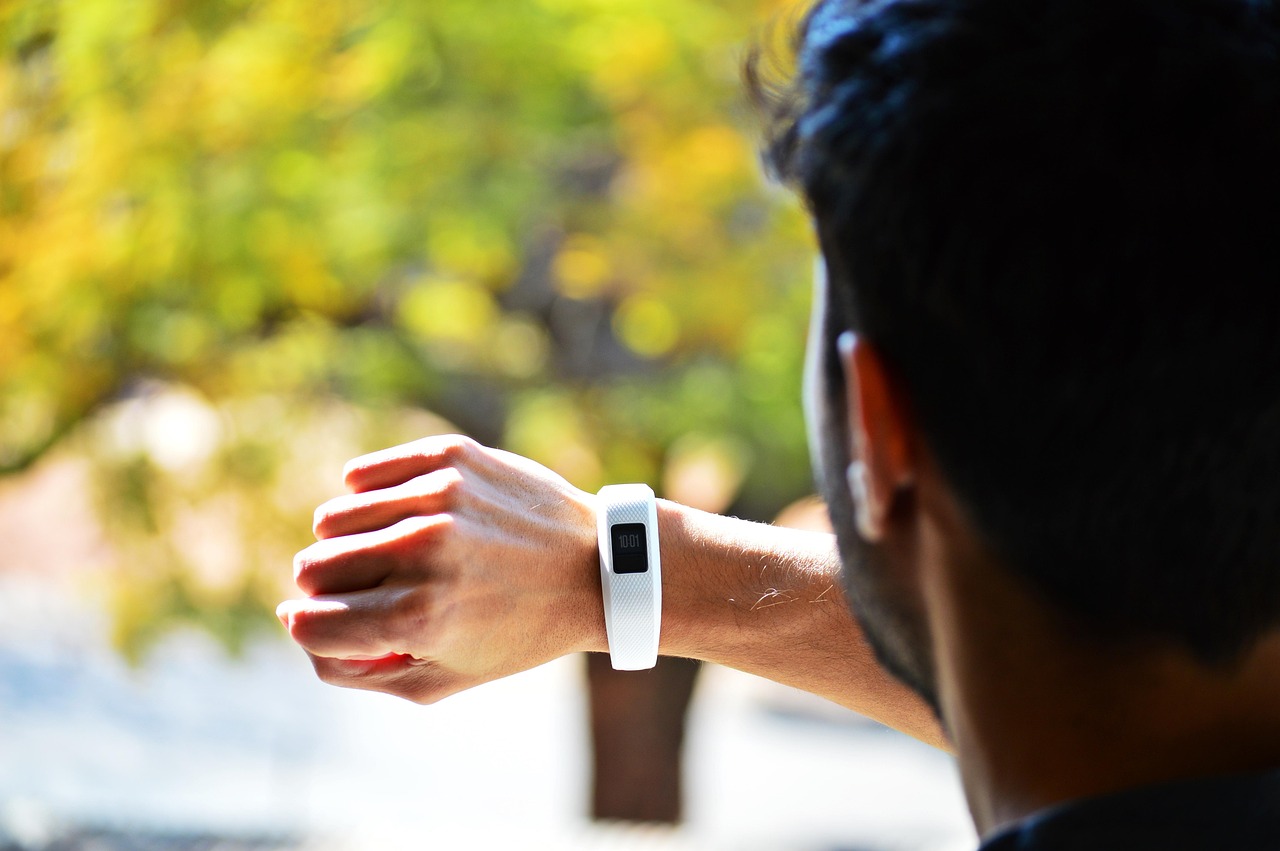
Wearable technology has significantly transformed the way we track our health and fitness levels, particularly when it comes to flexibility and mobility. These devices, which include fitness bands, smartwatches, and other digital sensors, provide real-time insights through tracking metrics like range of motion and muscle tension. Many individuals are unaware of how much these wearables can contribute to monitoring not just performance but also recovery. With the help of apps linked to wearables, users can log workouts and track progress over time, identifying trends that indicate improvements or regressions in flexibility and mobility. One of the standout features of these devices is their ability to offer suggestions based on performance metrics they track. By analyzing your workouts, wearables can suggest specific stretches or exercises tailored to enhance your strength and endurance. Not only is this useful for everyday fitness enthusiasts, but it’s also invaluable for those recovering from injuries or aiming to prevent them. Utilizing wearables effectively can help achieve individual goals, ensuring a comprehensive understanding of where one stands in terms of flexibility. Keep your wearables charged and synced for the best results.
Understanding the Metrics
When using wearables to monitor your mobility and flexibility, it’s essential to understand which metrics are most relevant for your goals. Many devices now have sensors that measure several key components related to flexibility, including joint angles, muscle length, and even postural alignment. These metrics are often presented in easy-to-read formats through dedicated mobile apps, making it convenient for users to stay updated with their progress. One of the most important aspects of tracking flexibility is being aware of your baseline, or starting point, which acts as a reference for your improvement over time. To accurately assess this, most wearables provide comparisons to previous measurements so users can see their flexibility trends. In addition, you might encounter data such as your balance score, which reflects how well you can control your center of mass when you move. Ideal practices include regular checks of these metrics, ideally analytical reports weekly that highlight where improvements are made. Active participation in these evaluations not only fosters accountability but also sets clear objectives, guiding adjustments in workout regimens and enhancing motivation to continue.
Intelligent wearables are increasingly integrating advanced technologies like artificial intelligence and machine learning to provide tailored feedback regarding flexibility and mobility. These intelligent applications analyze user data and adjust recommendations dynamically based on progress and physical performance over time. Users receive personalized exercise regimens that help indicate which areas require more focus, thus optimizing workout efficiency. For instance, if a wearable senses improved flexibility in hamstrings, it may suggest varying exercises to target other stiff areas like the lower back. Such targeted insights play an essential role in maximizing fitness routines. Additionally, these devices can remind users to incorporate mobility exercises during their sedentary moments, thereby enhancing flexibility throughout the day while minimizing risks of injuries. Consistently incorporating these reminders substantially contributes to establishing a healthier lifestyle. Moreover, wearables often have social components that allow users to connect with friends who can motivate them, leading to enhanced accountability. Sharing flexibility goals and achievements introduces an aspect of fun and competition, offering an engaging way to maintain committed to personal fitness objectives. The integration of social features fundamentally shifts how users interact with their fitness journeys.
Tracking Progress Over Time
Using wearables opens up endless possibilities for tracking progress over time, which is incredibly valuable for evaluating your flexibility journey. Most wearables come equipped with historical data storage, allowing you to visualize your advancements on a timeline. By reviewing this data, individuals can see how their flexibility and mobility have improved or changed due to variances in training intensity or injury recovery. Notably, visual representations like graphs and charts enhance interpretation, making it easier to spot patterns. When users recognize positive trends, it boosts morale, encouraging them to put forth effort in their training. On the other hand, noticing stagnation or regression can serve as a wake-up call to adjust routines and exercise patterns. Furthermore, if a plateau is identified, additional stretches or diverse movement patterns may be necessary to reignite progress. Wearables can also sync with comprehensive training programs, suggesting new flexibility drills based on existing data. By actively analyzing progress through wearables, achieving long-term flexibility goals becomes manageable, as users can regroup and devise informed strategies based on accurate assessments of their physical capabilities.
The journey of improving flexibility doesn’t solely rely on understanding numbers from your device; it’s highly influenced by consistency and dedication in daily routines. Wearables can help determine the best times to incorporate mobility rituals throughout the day, whether during breakout times or scheduled workouts. Notably, keeping a regimen brings immediate accountability into the mix, leading to better adherence to the proposed changes. If a user commits to performing specific stretches three times a week, wearables can send reminders to assist in forming these habits. Successful habit formation eventually integrates these activities into one’s lifestyle, leading to better long-term flexibility outcomes. However, as vital as tracking progress can be, it’s equally important not to focus solely on metrics, as this can hinder development. Flexibility is often a subtle, gradual process—requiring patience and understanding that improvements may take time. Hence, users should focus also on how they feel after workouts, following intuitive signs of their bodies adjusting to routines. Pairing qualitative feedback along with quantitative data creates a comprehensive view of flexibility advancement, helping establish better recovery strategies.
Combining Wearables with Other Methods
While wearables provide crucial monitoring capabilities for tracking mobility and flexibility, combining their insights with traditional methods significantly enhances results. Engaging in exercises such as yoga or pilates can complement the feedback garnered from wearables. These practices emphasize enhanced body control, posture, and stretching, which dovetail nicely with insights from wearable technology. By participating in these classes, individuals can learn suitable flexibility techniques to broaden their understanding of proper body movement. A synergy of learning practical applications alongside utilizing monitoring data from devices leads to a holistic fitness approach. Coaching and professional training can also assist users in interpreting their wearable data effectively, assisting those who overlook the significance of cross-training. Professionals can recommend further mobility exercises based on data trends users might miss. Aside from coordinated workouts, nutrition significantly affects one’s flexibility journey as well. Consuming nutritional foods like omega fatty acids assists in maintaining healthy joints while contributing to effective recovery. Hence, a multidisciplinary approach provides a robust structure to assess flexibility correctly while transcending traditional barriers often faced in fitness journeys.
Ultimately, wearables are not mere gadgets but essential tools that can facilitate meaningful change in tracking flexibility and mobility. As these devices evolve in sophistication, users have unprecedented opportunities to enhance their mobility approaches. The tracking features can convert users’ insights into actionable data, leading them towards improved performance. Always remember that mental engagement with the device is key; setting specific, measurable goals will increase motivation and enhance results substantially. For instance, committing to stretching consistently based on sensor data not only improves physicality but reinforces discipline and well-being. Regular monitoring could result in users achieving flexibility milestones they once deemed impossible, overcoming self-imposed barriers. Nevertheless, continual adaptation is important; these wearables thrive on user input to suggest modifications in light of significant shifts. As the usage of wearables expands, they play pivotal roles in advocating awareness of flexibility and mobility importance. Such adaptability ensures that users receive insights whenever their circumstances change, minimizing the risk of plateauing. Therefore, with dedication and the integration of wearables into regular routines, achieving one’s flexibility and mobility goals can transform from a dream to reality.