
Early Physical Therapy Approaches to Prevent Chronic Injury Development
Physical therapy serves a critical role in managing injuries and enhancing recovery. By employing a proactive approach, early intervention in physical therapy can significantly mitigate the risk of chronic injuries. This involves identifying and addressing potential musculoskeletal issues through tailored exercise regimes and the application of specialized techniques. Early physical therapy emphasizes the importance of evaluating movement patterns and biomechanics to identify deficiencies. These can lead to overuse injuries or repetitive strain. Addressing these issues preserves athletic performance and daily life activities. Physical therapists employ various strategies, including therapeutic exercises, manual therapy, and education to facilitate recovery and prevent further injury. Providing patients with knowledge about their condition fosters better self-management and encourages adherence to prescribed treatment plans. Effective communication between therapists and patients is essential for successful outcomes. It ensures that patients understand the importance of exercises and lifestyle modifications. Implementing these principles in early physical therapy can aid individuals in avoiding future injuries. Consequently, a commitment to early intervention leads to enhanced recovery outcomes and long-term health benefits for patients. Ultimately, the objective is maintaining optimal physical health and function, enabling individuals to pursue their daily activities without limitations.
One effective early intervention strategy is the incorporation of strength training. This method not only addresses existing injuries but also builds resilience against future injuries. Strengthening muscles surrounding vulnerable joints helps ensure adequate support during physical activities. Furthermore, targeted flexibility exercises contribute to maintaining joint mobility, increasing the range of motion, which reduces the risk of injuries. Proper technique in strength training and flexibility exercises is crucial to avoid any exacerbation of existing injuries. Physical therapists develop comprehensive plans tailored to individual needs, taking into account personal limitations and fitness levels. Education on proper body mechanics during physical activities is another essential aspect of early physical therapy. Teaching patients the importance of maintaining good posture can significantly decrease repetitive strain injuries. In addition, educating individuals about the biomechanics involved in their preferred activities promotes injury prevention. Tailoring interventions to the individual is necessary for maximizing results, as one-size-fits-all strategies often fall short. Personalized approaches that include sport-specific training further reinforce injury prevention measures. Emphasizing the importance of adherence to these practices can lead to healthier and more robust athletic performances over time. Engaging patients in their therapy and recovery process can lead to better health outcomes.
Risk Assessment and Screening
Another vital aspect of early physical therapy to prevent chronic injuries is thorough risk assessment and screening processes. Physical therapists assess patients’ histories, including previous injuries and physical activity levels. Conducting these assessments enables therapists to identify individuals at higher risk for injury. Upon determining risk factors, therapists can devise prevention programs tailored to address these specific needs. Screening tests help therapists pinpoint muscular imbalances, joint instability, or inefficient movement patterns, all contributing to injury risk. Identifying these factors early provides an opportunity to intervene before a potential injury occurs. Implementing this proactive approach can drastically reduce the occurrence of chronic injuries. Additionally, individualized education about the identified risks plays a crucial role in empowering patients. When patients are aware of their vulnerabilities, they are more likely to adhere to prescribed therapeutic exercises and guidelines. This awareness fosters a sense of ownership and accountability for their health and recovery. Furthermore, continual monitoring throughout the therapy process ensures that adjustments are made based on patient progress. Consistent evaluations guarantee the most effective and safe rehabilitation strategies, leading to improved long-term outcomes and reduced injury recurrence in active populations.
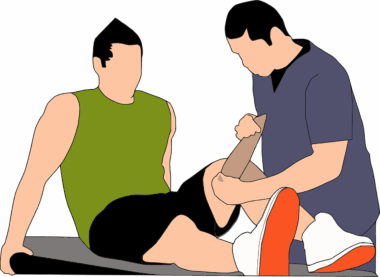
Therapeutic modalities also play a significant role in early physical therapy interventions. Techniques such as ultrasound, electrical stimulation, or modalities like ice and heat can aid in the recovery process. These modalities help alleviate pain and reduce inflammation, which promotes a conducive environment for healing. Additionally, incorporating these modalities into rehabilitation programs can enhance the overall effectiveness of therapeutic exercises. Educating patients about these interventions allows them to understand their purpose and contributes to better adherence to treatment plans. Combining therapeutic modalities with manual therapy techniques further optimizes recovery outcomes. Manual therapy includes various hands-on methods aimed at decreasing pain and improving mobility. Physical therapists utilize soft tissue mobilization, joint manipulation, and other techniques to restore function. This approach decreases stiffness and enhances flexibility in the affected areas. Focusing on creating individualized treatment plans increases the success of rehabilitation and reduces the likelihood of chronic injury development. Ultimately, incorporating various therapeutic modalities within an early intervention program can effectively prevent the transition from acute injuries to chronic conditions. A comprehensive approach embraces both physical and educational components to foster patient engagement and successful recovery.
The Importance of Patient Education
Patient education is a cornerstone of effective early injury prevention strategies in physical therapy. Informed patients are more inclined to engage actively in their recovery processes. Understanding the mechanics and causes of their injuries empowers individuals, fostering better compliance with treatment programs. Additionally, educating patients about lifestyle modifications and their impact on recovery can lead to long-term management of musculoskeletal issues. For instance, guidance on proper nutrition and hydration can enhance recovery and improve overall physical health. Physical therapists should also incorporate education about injury prevention during routine discussions, ensuring patients are well-informed about the risks associated with their activities. This approach helps them make more informed decisions about their physical engagement. Furthermore, providing resources, such as guidelines or exercise programs, ensures patients have access to evidence-based information that enhances their recovery and promotes injury prevention. Encouraging patients to communicate openly with their therapists regarding any concerns or symptoms creates a partnership that strengthens their therapeutic relationships. Ultimately, robust patient education leads to improved adherence to physical therapy recommendations, resulting in healthier individuals and fewer chronic injuries over time. The emphasis on knowledge and awareness ultimately yields prevention-oriented outcomes.
In conclusion, early physical therapy interventions are crucial for preventing chronic injuries. By focusing on individual risk factors, personalized exercise programs, and lifestyle education, therapists can implement strategies that mitigate injury risks effectively. Collaborative approaches that emphasize patient engagement and empowerment enhance therapeutic outcomes. Fostering open communication between therapists and patients allows for continuous adjustments and improvements in rehabilitation approaches. Furthermore, integrating therapeutic modalities and manual therapy can optimize recovery. Addressing injuries promptly reduces their impact on patients’ lives and performance. Successful interventions can significantly improve patients’ quality of life, enabling them to participate in their favorite activities unhindered. Ultimately, practitioners should continuously advocate for early intervention as a means to promote long-term health outcomes. The optimal blend of strength training, flexibility exercises, risk assessment, and patient education forms the foundation of effective injury prevention strategies. As healthcare continues to evolve, maintaining a focus on early physical therapy can ensure more individuals lead healthier, pain-free lives. The impact of these measures extends beyond immediate recovery, enhancing overall well-being and quality of life for patients everywhere. Continuing to refine and implement early intervention strategies remains vital in the domain of injury prevention and physical rehabilitation.
Furthermore, implementing a community-based approach in early physical therapy can greatly enhance injury prevention initiatives. Collaborative programs, such as workshops or group therapy sessions, encourage participants to learn from each other’s experiences and share effective strategies. Such settings foster a sense of community and belonging that can motivate individuals to adhere to exercise and rehabilitation protocols. These community-based programs have proven successful in increasing physical activity levels while decreasing rates of injuries across diverse populations. Incorporating local resources, such as gyms or sports centers, strengthens these initiatives, facilitating greater access to physical therapy practices. Moreover, engaging local healthcare providers, such as physicians and athletic trainers, ensures a holistic approach to prevention and recovery. Collaborating within a larger framework allows for better awareness of available services and resources, improving the overall rehabilitation experience for patients. Recognizing the value of creating networks among healthcare professionals can lead to new partnerships focused on optimizing patient care. By leveraging community support, early physical therapy intervention programs can expand their reach and effectiveness. Ultimately, emphasizing community involvement strengthens the message of preventive care, contributing to fewer chronic injuries and healthier lifestyles within our communities over time.
In summary, early physical therapy approaches are vital to preventing chronic injuries. Practitioners rely on tailored interventions, risk assessments, and patient education to mitigate injury development. Through comprehensive care focusing on individual needs, physical therapists can create effective rehabilitation plans. Emphasizing early intervention empowers patients, fostering self-management practices that benefit their long-term health. The integration of strength training, flexibility exercises, and therapeutic modalities enriches recovery, ensuring patients can return to their active pursuits. Moreover, promoting a proactive, community-based approach enhances the impact of injury prevention strategies. Engaged patients contribute to the success of rehabilitation programs, ultimately reducing the likelihood of chronic injuries. Therefore, a collaborative effort combining education, support, and therapeutic interventions is paramount for achieving optimal results. These measures ensure not only effective recovery but also encourage healthier lifestyles and continuous physical activity for individuals of all age groups. By prioritizing early physical therapy as an essential component of injury prevention, healthcare professionals can make significant strides in enhancing the quality of life for countless individuals. In doing so, we pave the way towards a healthier future where individuals can thrive without the limitations posed by chronic injuries.