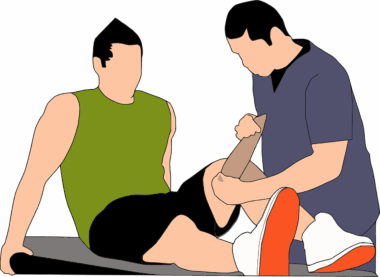

Early Physical Therapy Approaches to Prevent Chronic Injury Development
In the field of physical therapy, early intervention plays a pivotal role in injury prevention and recovery. When physical therapy begins promptly following an injury, it can significantly decrease the likelihood of chronic pain and long-term dysfunction. The initial phase of recovery is crucial for establishing proper movement patterns and facilitating healing. This early phase often involves manual therapy, therapeutic exercises, and education on activity modifications. A personalized treatment plan is created for each individual, taking into consideration their specific injury and physical capabilities. By employing these methods, therapists help to re-establish normal function and optimize recovery times. Implementing early physical therapy can aid patients in regaining muscle strength and mobility, ultimately leading to a quicker return to their daily activities. Moreover, physical therapists can educate patients on body mechanics and ergonomics, reducing the risk of re-injury. Utilizing state-of-the-art techniques and evidence-based practices, physical therapists guide patients through every step of their recovery process, ensuring that they regain their strength and confidence as they return to normal life. This balance of rehabilitation and prevention forms the core of effective physical therapy interventions.
The evidence supporting the benefits of early physical therapy is compelling. Research indicates that patients who begin physical therapy soon after an injury experience better overall outcomes compared to those who delay treatment. Early engagement with a physical therapist also reduces the extent of disability following an injury, minimizing longer recovery times. Symptoms such as pain and inflammation can be managed effectively through tailored interventions designed to decrease discomfort. Early therapy targets identified areas of concern and employs interventions to address both symptoms and underlying causes. Moreover, individuals are educated on the importance of adhering to their treatment programs, which establishes accountability. Patients are encouraged to be proactive in their recovery process rather than wait for symptoms to worsen. Physical therapists assess the patient’s needs continuously, adjusting treatment approaches as needed. This ongoing assessment ensures that the interventions remain relevant as recovery progresses. The integration of early physical therapy into the injury recovery process not only fosters better physical outcomes but has psychological benefits as well, enhancing patients’ overall confidence in their ability to resume normal activities and sports. The comprehensive approach of early intervention ultimately leads to greater patient satisfaction.
Core Principles of Early Intervention in Physical Therapy
Core principles of early intervention in physical therapy revolve around individualized care and evidence-based practice. One of the key components is designing tailored rehabilitation programs that align with the specific needs and goals of the patient. This personalized approach is essential for effective recovery. In addition, educating patients about their conditions and involving them in the treatment process significantly enhances motivation and adherence to therapy schedules. Insurance often dictates a flow of referrals, but direct access to physical therapy allows individuals to seek early intervention more readily. Therapists utilize various assessment tools to measure functional limitations and determine therapeutic goals effectively. Each session is structured to progress the patient toward improved functional abilities systematically. Incorporating manual techniques, modalities, and exercise regimens, physical therapists aim to enhance recovery outcomes. Regular progress evaluations help therapists and patients recognize improvements and make necessary adjustments to therapy plans. Moreover, strong communication between the patient and therapist fosters a trusting relationship, essential for successful rehabilitation. This principle of early intervention emphasizes collaboration, allowing therapists to empower individuals and instill confidence in their recovery journey, ultimately preventing the development of chronic injuries.
Another significant aspect of early physical therapy is the use of preventative strategies to diminish the risk of re-injury. Early intervention promotes a better understanding of one’s body mechanics and highlights specific movements that may predispose individuals to injury. Through targeted education, patients learn the importance of proper warm-up routines and stretching techniques before engaging in physical activities. This knowledge is instrumental in reducing strain on vulnerable areas, particularly in athletes and active individuals. Physical therapists often implement strength training programs focusing on stabilizing core muscles, improving posture, and enhancing overall body awareness. By integrating these exercises into the early intervention phase, therapists help patients develop the muscular foundation necessary for their lifestyle or sport, effectively reducing injury risks. Furthermore, ongoing education about ergonomics and proper lifting techniques can empower individuals to make safer choices in their daily routines. In essence, early physical therapy extends beyond immediate rehabilitation, as it builds a framework for long-term physical health. The proactive approach established during early recovery lays the groundwork for a lifelong commitment to injury prevention and enhances overall quality of life, encouraging physical activity well into the future.
Collaborative Approach in Early Recovery
A collaborative approach involving multidisciplinary teams paves the way for a more holistic recovery process. Early physical therapy does not occur in isolation; it often includes collaboration between physicians, occupational therapists, sports coaches, and nutritionists. This integrated effort ensures that the individual’s comprehensive needs are met throughout the recovery journey. Coordination allows for a seamless flow of information and tailored adjustments to the patient’s recovery plan. Regular communication helps recognize barriers to recovery and address these promptly. For example, if a patient is struggling with pain management, pain specialists can provide additional interventions to facilitate progress. In conjunction with physical therapy, the incorporation of psychological support can also enhance motivation and emotional well-being, essential components of recovery. Reassurance and encouragement play a vital role by helping patients maintain a positive outlook. As patients receive support from multiple channels, their likelihood of returning to functional levels increases remarkably. The collaborative approach creates a supportive environment where therapists can adapt treatments, celebrate progress, and ensure accountability, making it an invaluable component of early physical therapy in preventing chronic injury development.
Moreover, fostering patient engagement and motivation is critical in the journey towards recovery. Early physical therapy emphasizes the importance of setting achievable goals with patients, reinforcing their role in the rehabilitation process. By collaboratively determining specific targets, patients become more invested in their recovery journey. This goal-oriented approach helps maintain motivation and focus, addressing barriers that may hinder progress. Therapists can employ tracking tools and visual aids, providing patients with concrete data reflecting improvements and achievements. Celebrating milestones alongside gradual progression boosts confidence and resilience, reinforcing the belief in their abilities. Regular feedback from therapists also allows for necessary adjustments in the treatment plan, ensuring continued effectiveness. Patient participation cultivates a sense of ownership, motivating them to apply learned techniques beyond the therapy sessions. As a result, individuals who actively engage in their rehabilitation experience a deeper understanding of their body mechanics and movement adaptations. This newfound awareness is vital in preventing further injuries and promotes a sustainable, active lifestyle. In the long run, emphasizing patient engagement and empowerment during early intervention lays the groundwork for positive health outcomes, setting the stage for long-lasting changes.
Conclusion: The Impact of Early Physical Therapy
In conclusion, early physical therapy is integral to preventing chronic injury development. Through personalized care, evidence-based practices, and collaborative efforts, individuals who seek early intervention are better positioned to recover successfully. The multi-faceted approach of incorporating education, goal-setting, and preventive strategies significantly enhances recovery outcomes and reduces the risk of re-injury. By fostering a proactive mindset and emphasizing patient involvement, early physical therapy empowers individuals to take charge of their health and well-being. It becomes clear that addressing the injury early is not just about immediate relief; it also encompasses a broader perspective on maintaining strong physical health throughout life. As physical therapists continue to employ innovative techniques and cultivate relationships with patients, the positive impact of early intervention on chronic injury prevention will undoubtedly continue to grow. This commitment to continuous improvement in physical therapy practices aligns with the ongoing evolution of the healthcare landscape. Consequently, by prioritizing early intervention, healthcare professionals can transform recovery processes, unlock untapped potential, and contribute to the overall enhancement of life quality for countless individuals.
This transformative journey in physical therapy illustrates the profound impact that early intervention has on individuals recovering from injury. As we delve deeper into the tenets of rehabilitation, it is evident that the role of physical therapy extends well beyond treatment. It encapsulates injury prevention and the promotion of sustainable health behaviors that foster long-term wellness. Individuals who take advantage of early therapy not only heal but also learn essential skills to navigate their physical lives more effectively. The cumulative knowledge gained leads to empowered choices, promotes active living, and mitigates the risks of future injuries. By creating a solid foundation for physical health through early intervention, patients can achieve enhanced functionality and a renewed sense of vigor. Physical therapists play an essential role, guiding individuals through tailored programs that ignite motivation and excitement for progress. This journey towards recovery represents a synergistic effort, embodying the spirit of collaboration among healthcare professionals. Ultimately, early physical therapy stands as a beacon of hope for those emerging from injury, illuminating a path that emphasizes rehabilitation, empowerment, and ongoing healthy living.