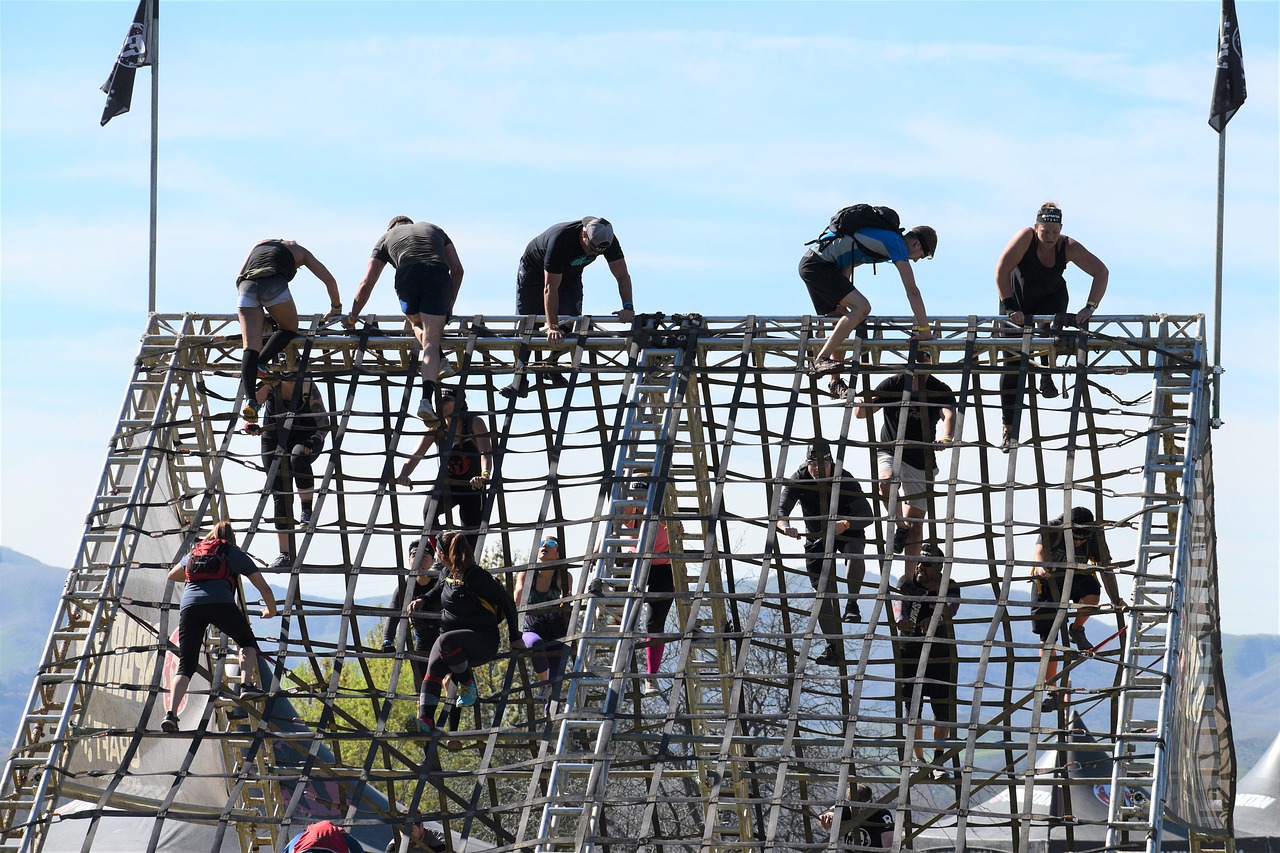

Running Challenges to Prepare for Obstacle Course Races
Participating in obstacle course races can be both thrilling and demanding. To effectively prepare, runners should develop their stamina and strength over time. One effective approach to achieve this goal is embracing running challenges tailored specifically for upcoming events. Incorporating running challenges into your regular training routine helps build resilience, enhances cardiovascular fitness, and promotes overall wellness. You might want to focus on various types of runs, including distance runs, speed workouts, and hill repeats. All these variations can make training more enjoyable. Joining a running group can offer camaraderie and motivation. Engaging in group challenges can lead to improved pace and engagement while pushing your boundaries. It’s also essential to cross-train with exercises that improve coordination and balance. Integrating strength training into your routine will build functional strength necessary for overcoming various obstacles you will encounter. Ensure you listen to your body and gradually increase the intensity of your challenges to avoid injuries. Through consistent preparation, you can conquer an obstacle race with confidence and resilience, tackling each hurdle with readiness. Dive into these exciting challenges and experience a significant progression in your performance.
As you delve into running challenges, focusing on sustaining a solid base mileage will set you up for success. Building a habit of running regularly strengthens not just your legs but also your mental resolve, which is crucial for overcoming tough obstacles. Establishing a training schedule that includes long, slow runs will improve your aerobic capacity significantly. A suggested approach is to start with two longer, easy-paced runs per week. Gradually extend these runs as you gain endurance, ensuring that your body adapts to the increased workload. Additionally, incorporating tempo runs into your program will build the strength necessary for tackling race obstacles. A tempo run typically includes a warm-up, followed by sustained efforts at a comfortably hard pace. This method helps improve your lactate threshold, allowing you to maintain higher intensities for longer periods. After your tempo run, don’t forget to cool down. Moreover, you can involve speed intervals within your training plan, alternating between short bursts of effort and recovery periods. These efforts will translate into improved speed and efficiency when facing race challenges. Through strategic planning, you will unveil the best version of yourself come race day.
Variety is the spice of life, and the same applies to running. To ensure thorough preparation for obstacle course races, consider participating in diverse racing events. Engaging in a mix of road races, trail runs, and mud runs will equip you with the multifaceted skills needed for obstacles. The varying terrains will develop your adaptability, leg strength, and agility, which are indispensable on the course. Incorporating off-road runs into your training routine will help further improve your balance and proprioception. Trail running encourages tackling elevation changes that mirror the challenges faced during races. Consider varying your training locations and surfaces, allowing your body to develop a heightened awareness of different environments. Exploring local trails or parks can enhance your running experience, making it stimulating and exciting. Additionally, try including hill workouts where you sprint uphill and jog or walk downhill. The hill repeats will strengthen your legs, improving your power and competitiveness. Furthermore, consistently challenging your skills can make running more engaging and pleasurable. Hence, stepping outside your comfort zone can lead to impressive results, positioning yourself as a competent contender come race day.
Mindset and Motivation
Aside from physical challenges, preparing your mind for obstacle course racing is equally essential. A strong mental game can significantly enhance your performance and resilience during tough races. Pushing through discomfort and fatigue requires mental fortitude, which can be cultivated through consistent training. Consider setting specific and attainable goals throughout your training journey. Break these goals down into smaller, manageable milestones to help maintain motivation as you progress. Tracking your achievements can show how far you’ve come and provide momentum to keep going. It’s essential to celebrate even minor triumphs, as they build your confidence and create a positive association with your hard work. Furthermore, engaging in visualization techniques can greatly benefit your performance. Visualize yourself overcoming obstacles successfully and crossing the finish line, as it can help reduce anxiety on race day. Similarly, surrounding yourself with supportive friends and fellow runners can bolster your enthusiasm and accountability. This sense of camaraderie often inspires you to push your limits. Cultivating the right mindset is critical in the pursuit of excellence, ultimately propelling you to achieve your racing objectives.
In addition to physical and mental preparation, another dimension of training involves the development of specific skills needed for various obstacles. Obstacle course races incorporate a range of challenges, requiring candidates to climb, crawl, jump, and balance. Therefore, practicing these skills regularly is crucial. Identify common obstacles such as walls, rope climbs, and slippery surfaces. Take time to find a local gym or obstacle course where you can practice these elements directly. Alternatively, you can also create a unique fitness circuit at home or in a local park. Set up intervals that mimic race obstacles to hone your skills and build strength through targeted training. For example, construct a setup with a series of low walls, a net to crawl under, and other challenging elements. Simulating race-day scenarios will enable your body to adapt progressively while developing your obstacle-handling abilities. Moreover, this way, you can pinpoint specific weaknesses and address them with tailored practice. Emphasizing skill development alongside traditional distance running can make you a formidable contender on the course, better preparing you for the unknown challenges of the race.
Recovery and Nutrition
A critical aspect of any training regimen is understanding the importance of recovery and nutrition. Engaging in intensive running challenges can place significant stress on your body, requiring it to recover effectively. This recovery enables your muscles, joints, and tissues to heal, ultimately enhancing performance. Prioritize proper rest days in your training schedule to allow your body to rejuvenate. Sleeping well is crucial for repair and overall health. Aim for at least seven to eight hours of quality sleep each night to facilitate your recovery. Additionally, nutrition plays a vital role in recuperation and sustaining energy during training cycles. Consuming a balanced diet filled with lean proteins, whole grains, healthy fats, and vibrant fruits and vegetables can optimize performance. Proper hydration is equally essential. Regularly replenishing electrolytes and fluids before, during, and after your runs supports hydration levels and prepares you for the next workouts. Also, consider meal timing — fuel your body with an appropriate ratio of carbohydrates and proteins both before and after workouts for increased energy and recovery. Making nutrition and recovery priorities will set you up for long-lasting success in obstacle course racing.
Lastly, while preparing for obstacle course races, it’s advisable to embrace a competitive spirit and participate in practice races. These smaller events can create opportunities for real-world experience on actual courses. Taking part in practice races helps familiarize you with the environment and obstacles you will face during the race day. Focus on including races with varying lengths and challenge levels. This will give you insights into your pacing strategies while adapting to different situations that can unfold on race day. Furthermore, engaging in competitive events will contribute to your race-day preparation, as they can amplify the adrenaline rush you might experience. This exposure will help reduce anxiety and enhance your performance when it matters most. Participating in friendly challenges with colleagues or joining a local running club can foster growth and accountability throughout your journey. As you share your experiences and learn from fellow runners, you will uncover innovative training techniques and strategies. Enjoying the racing culture can significantly enhance your overall experience, preparing you for the thrilling challenge of obstacle course races ahead. Take your time, enjoy every step, and see progress like never before.